


Nunavut confirms new cases of whooping cough
Health officials warn Nunavummiut—especially parents of young children—to take note of serious infection
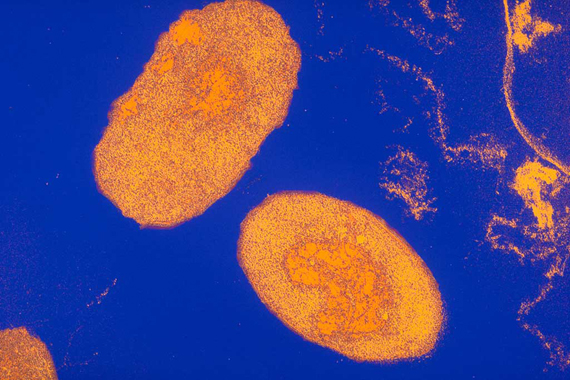
Bordetella pertussis is the bacteria that causes whooping cough, a disease of the lungs and throat that spreads easily from one person to another. (FILE IMAGE)
Less than six months after the Government of Nunavut declared that the territory’s most recent outbreak of whooping cough is over, health officials say they’ve confirmed new cases of the respiratory infection in the Kivalliq community of Arviat, population about 3,000.
A spokesperson with Nunavut’s Department of Health could not specify the number of cases, but said it was low. The infection is currently confined to Arviat only.
Health officials are asking Nunavummiut—especially the parents of babies and young children—to take note, given that the infection can spread easily.
The most severe cases of whooping cough, sometimes called pertussis, occur in children under the age of one. Untreated infections can lead to pneumonia, seizures, brain damage and in serious cases, death.
Whooping cough is a highly-contagious bacterial infection marked by a cough followed by high-pitched inhalation.
Other symptoms of the infection include:

• a cough that lasts longer than a week;
• trouble breathing;
• vomiting after coughing;
• coughing that is worse at night; and,
• a high fever (39C and above) that lasts more than three days.
Adults or children with those symptoms should visit their local health centre right away, health officials said; early diagnosis and treatment of whooping cough are important to making a full recovery.

If you’ve ever considered getting vaccinated against pertussis, now’s the time: the GN encourages all Nunavummiut to ask community health care staff about getting a free vaccination.
Anyone showing signs of the infections should also stay home from school or the workplace, to prevent the spread of the illness.
Nunavut’s latest outbreak began in May 2016 in Pond Inlet, when four cases of whooping cough were first confirmed.
Gradually the infection spread to other community members and other communities in the Baffin region.
By the fall of 2016, Nunavut’s health department had tracked more than 100 cases of pertussis in 11 communities throughout the Baffin and Kivalliq regions.

It wasn’t until April 2017 that the health department declared the outbreak over.
(0) Comments