

Inukjuak hydroelectricity project earns kudos for climate protection
Switch to hybrid or electric vehicles from gas-powered still in the works
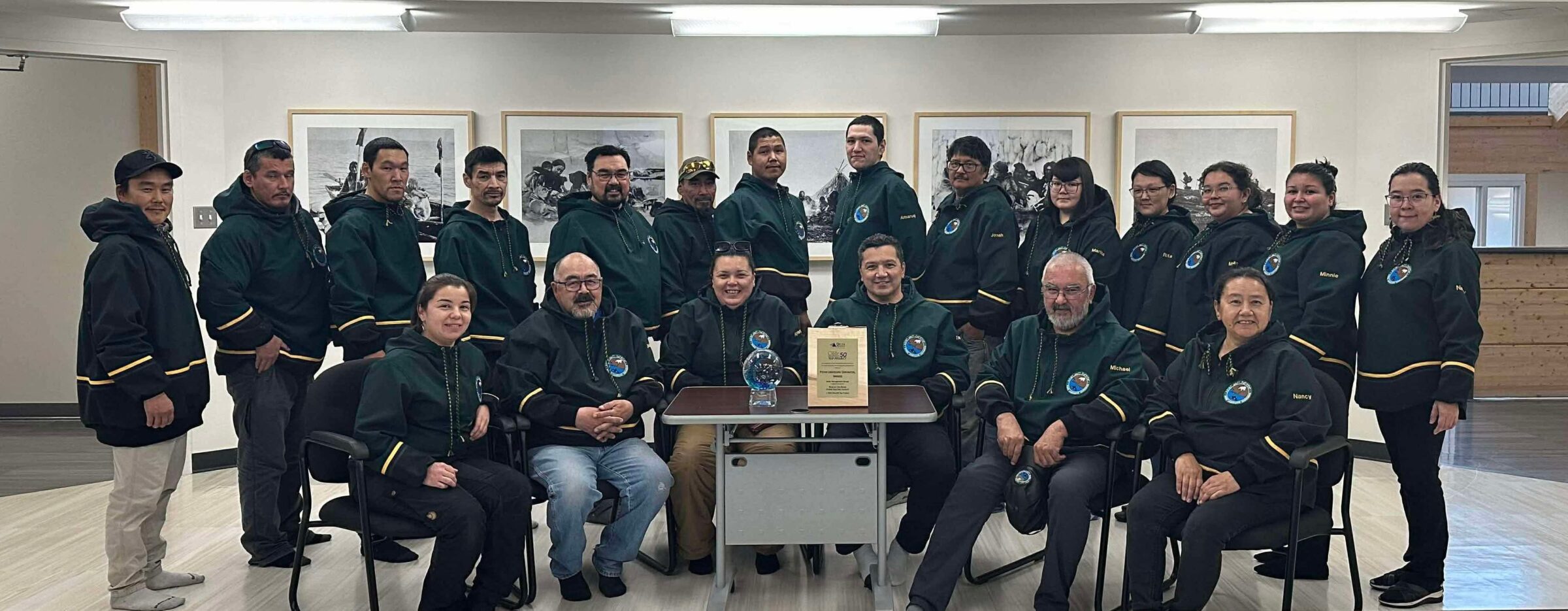
Pituvik Landholding Corp. and Innergex Inc. earned two national awards this month for their hydroelectric project in Inukjuak. (Photo courtesy of Pituvik Landholding Corp)
A project that provides Inukjuak with clean, renewable energy received two national awards this month.
The Innavik hydroelectricity project is a 7.5-megawatt run-of-river hydro dam on the Inukjuak River in Nunavik. It supplies 90 per cent of the energy needed to power the community of about 1,800 residents, which previously relied entirely on burning diesel fuel to generate electricity, said Tommy Palliser, president of Pituvik Landholding Corp.
Pituvik runs the project in partnership with Innergex Renewable Energy Inc.
On Oct. 8, the Innavik project received the Indigenous Reconciliation and Partnership Award from WaterPower Canada, a national association representing the waterpower industry.
The award recognizes Innavik’s contribution to the well-being of Inukjuak and the environment.
On Oct. 15, the project also won a Clean50 Top Projects award for innovative and impactful Canadian projects from Delta Management Group, a recruiting firm that focuses on climate action and clean technology.
Palliser said the honours help raise awareness about clean energy options that are available.

“It’s important for us to help other communities look at the options they have, whether it’s hydro power, solar power, wind power or even tidal power,” he said.
“I think it’s important for the whole world to start switching over.”
Since November 2023, the hydroelectric facility has been powering most of Inukjuak.
“The major buildings are still not converted yet, but most of the [residential buildings] are converted to electrical heating,” Palliser said.
Switching from diesel to hydroelectric power is only the beginning. Pituvik aims for Inukjuak to achieve net zero emissions by 2030.
That means not releasing more greenhouse gases into the atmosphere than can be removed — in this case, by switching from gasoline-powered vehicles to electric ones.

There will be less dependence on fuel, cleaner air and fewer greenhouse gases.
Palliser said there are plans to work with Concordia University in Montreal and the University of Toronto to research hybrid or electrical vehicles most suitable for the northern climate.
Pituvik expects to receive $4 million from Quebec’s Ministry of Transport and Sustainable Mobility and $3 million from Concordia University to fund the research.
Installing charging stations along hunting routes is an option that will be explored to make the transition more easily adaptable to the Inuit way of life, Palliser said.
Inukjuak currently uses three to four megawatts from the 7.5-megawatt power station. There’s enough leftover power available to run research and demonstration projects like battery storage tests, heating studies and electrical charging stations, Palliser said.

Should make cannabis hydroponic grow centres with the excess energy available beyond the villages grid demand. $125 an ounce is a great export price 🤑
As tech evolution is changing in North America. It has alot of similarities to intercounterpart between people. Much respect.
NOTHING on the market today comes close to the efficiency , cost, cleanliness or reliability of modern diesel power plants in the Arctic. Nothing even close