


Iqlauit gets sneak peek at Aqqusariaq Recovery Centre
Open house brings 300 people inside $84-million addictions and trauma recovery facility more than a decade in the making
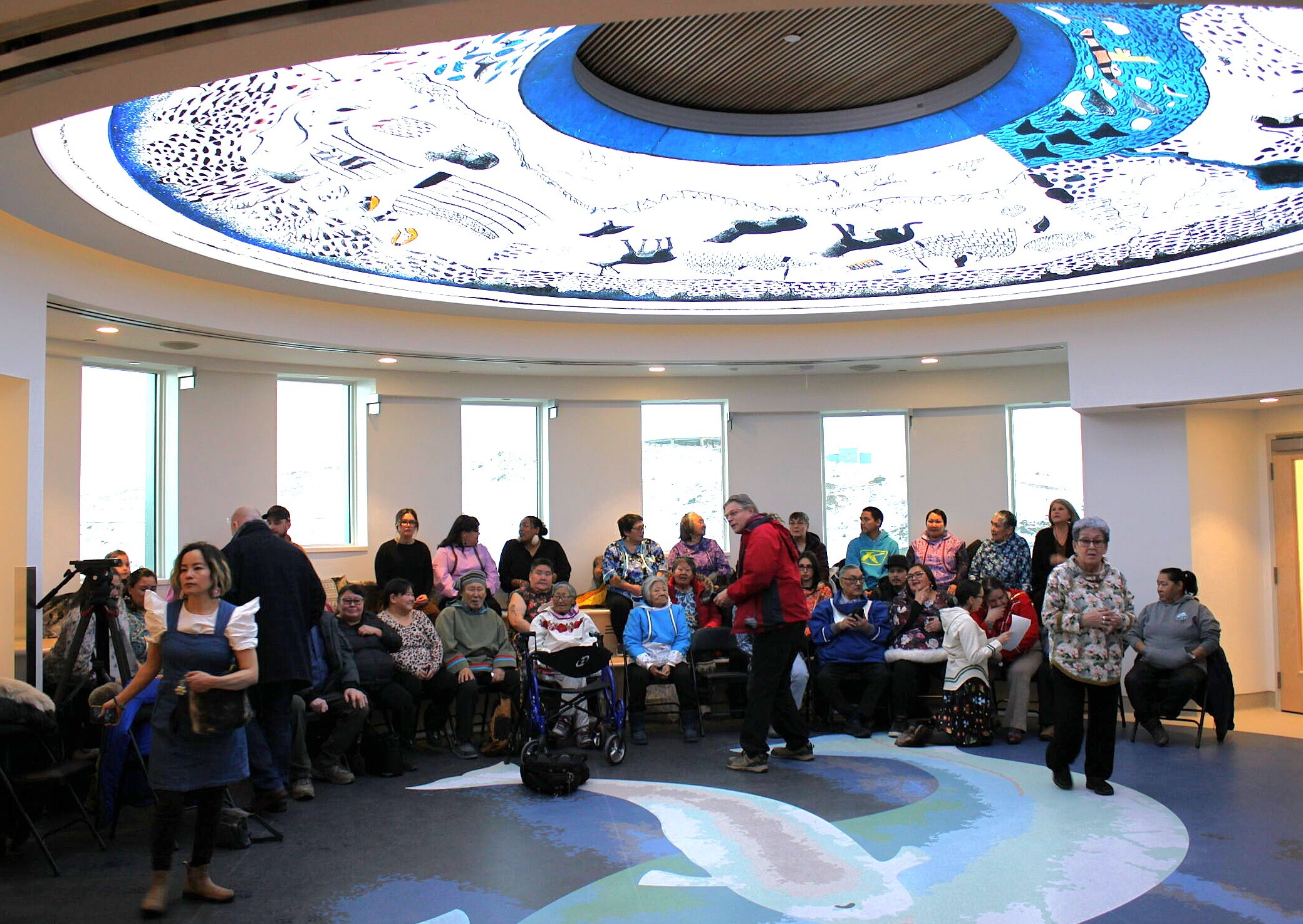
Residents gather for Iqaluit’s new $87 million Aqqusariaq Recovery Centre on Friday afternoon. (Photo By Lilli Akpaleeapik)

Nunavut’s $83.7-million Aqqusariaq Recovery Centre gave the public its first look inside Friday, approximately seven months before staff will welcome the first 24 full-time residents inside.
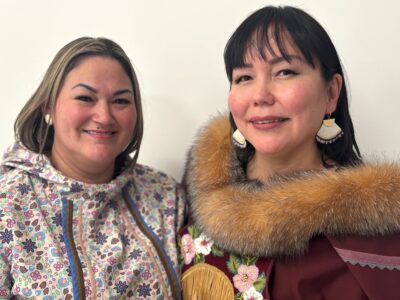
Nunavut Tunngavik Inc. President Gloria Uluqsi, left, says she looks forward to the leadership provided by Annie Aningmiuq, executive director of Aqqusariaq Corp., the arms-length nonprofit organization established to run the centre. (Photo by Daron Letts)
Hiring, trauma-informed care training for new staff, programming decisions, and operational preparations continue before services can be delivered, said Annie Aningmiuq, executive director of Aqqusariaq Corp., the arms-length nonprofit organization established by Nunavut Tunngavik Inc. to run the centre.
However, outpatient care will begin early in the new year, she added, during an interview.
“We have a gorgeous sewing room – we can have cultural programming here before we have people living upstairs to do their their treatments,” she said. “We can also connect other services that are available.”
The facility also features a classroom, withdrawal recovery rooms, a nursing station and exam room, a cultural food processing area, a daycare, and a group therapy room. Inuit art is displayed throughout the building.
So far, two other employees have been hired, with three more core positions to be filled in coming months, Aningmiuq said.

Alcoholics Anonymous and other related community programs may choose to use space in the centre before the facility offers its full menu of programs next summer, she said.
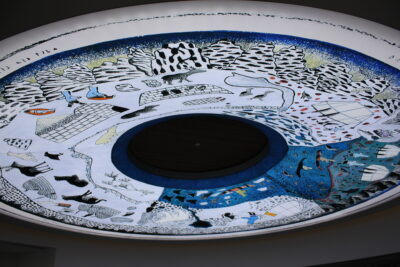
A lighted mural on the ceiling of the Aqqusariaq Recovery Centre includes many depictions of iconic imagers from northern life. (Photo by Lilli Akpaleeapik)
Friday’s open house comes after a decade of planning and nearly three years of construction in Iqaluit.
“It’s been a long time coming for Inuit. Inuit have been struggling for a very long time,” Nunavut Tunngavik Inc. President Gloria Uluqsi said in an interview, her voice breaking with emotion.
“It’s a celebration among all Inuit in Nunavut and in Canada. We’re making this history. This is for Inuit, by Inuit, and we should continuously support each other.”
More than 300 people attended the event.

Several elders, including qulliq-lighter Elisapi Aningmiuq, took part in the ceremony.
The Inuksuk Drum Dancers performed.
Health Minister Janet Brewster led a moment of silence to remember those who struggled and are no longer here.
“Many of us have experienced these challenges ourselves or have watched people who have struggled to find care and support,” she said.
The centre represents lessons learned from those lost to addiction, those who have survived, and elders and professionals who can help guide a path forward, she said.

MP Lori Idlout spoke about the need for community-wide healing from intergenerational trauma, seeming to hold back tears.
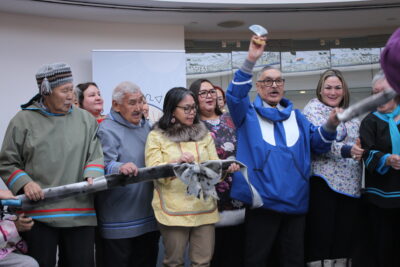
Members of the culture and lived experiences advisory committee join with MP Lori Idlout, Kitikmeot Inuit Association executive director Paul Emingak, and NTI president Gloria Uluqsi to cut the sealskin ribbon at the open house for the Aqqusariaq Recovery Centre (Photo By Lilli Akpaleeapik)
Community members also had the opportunity to tour the facility and learn about the planning, design and cultural considerations that shaped its development.
The new 24-bed facility has space for inpatient addictions and trauma recovery services, including counselling, on-the-land healing camps, and aftercare, to Nunavummiut coming through its doors for help.
The Government of Nunavut will cover the delivery cost of the centre’s services with $9.7 million in ongoing annual operational funding from Indigenous Services Canada.
The centre is at the end of Akausigiarvik Road, which means “to feel better road,” named by Iqaluit elders. It is located across from the Arctic Winter Games Arena along the road to Apex.
(0) Comments