


NASA to conduct survey flights to measure Greenland Ice Sheet
“The more ground we cover, the more comparison points we’ll have”
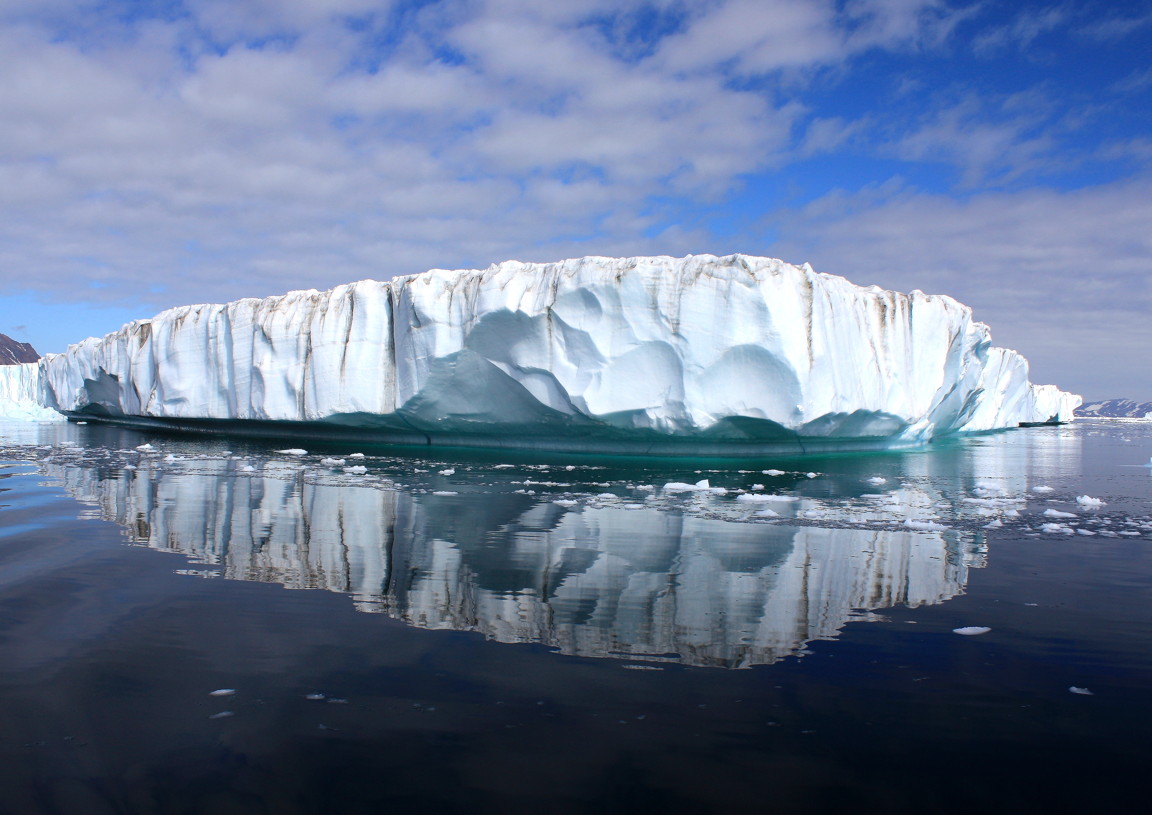
The Greenland Ice Sheet is a complex mass of ice that is melting and growing at different rates, in different locations. NASA is now using aerial sensing and surveillance to grab a snapshot of its minimum annual extent following the summer melt season. (PHOTO WIKIPEDIA COMMONS)
For the first time, NASA plans to use elevation sensors to measure the peaks and valleys of the Greenland Ice Sheet after a season of melting.
From Oct. 30 to Nov. 16, NASA’s C-130 aircraft will fly over Greenland collecting baseline data to increase their understanding of the extent of summer ice melt there.
That baseline information will help inform future NASA satellite missions, including the ICESat-2 mission schedule for launch in 2016.
“The more ground we cover, the more comparison points we’ll have for ICESat-2,” said Bryan Blair, of the Goddard Space Flight Centre, in an Oct. 31 NASA news release.
The aircraft will be using a land, vegetation, and ice sensor or LVIS and a smaller version of the LVIS as well, to measure separate, overlapping swaths of ice from an altitude of more than 8,500 metres.
According to the news release, warm summer temperatures are leading to significant changes in Greenland’s ice mass. In past years, the Jakobshavn Glacier, located in the lower elevations of western Greenland, has seen declines in elevation of nearly 30 metres in a single summer season.

Surface melt accounts for more than half of the shrinkage, said Brian Smith, senior physicist at the University of Washington’s Advanced Physics Laboratory, Seattle, in the release.
The rest comes from ice flowing downhill into the ocean, sometimes causing chunks of ice to break off and form icebergs, and from melting at the base of the ice sheet.
For more information, go here.
(0) Comments