

Culture of intimidation still exists in public service: Nunavut MLA
Minister says civil servants are free to talk but “they have to be cautious”
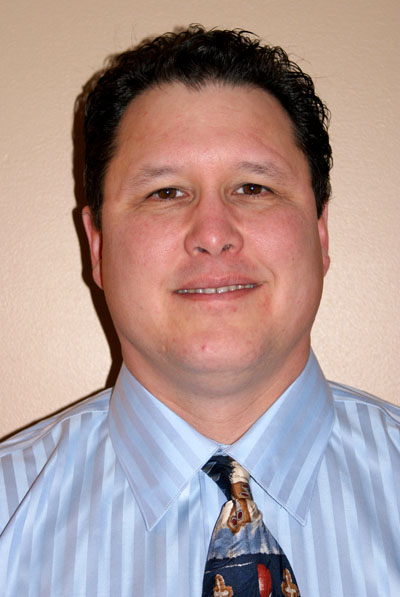
George Hickes Jr., the MLA for Iqaluit-Tasiluk, said last week that he’s worried that a culture of intimidation in the Nunavut public service might prevent people from raising serious concerns with MLAs. (FILE PHOTO
An Iqaluit MLA is still concerned that a culture of intimidation within the public service might prevent people from raising serious concerns with elected members of the legislative assembly.
Echoing statements he made in the assembly back in May, George Hickes, the member for Iqaluit-Tasiluk, asked for reassurances from Keith Peterson, the minister responsible for the Public Service Act, that it’s safe for civil servants to raise issues of “wrongdoing” with an MLA without fear of reprisals from supervisors.
Hickes raised the problems faced by public service whistleblowers during the spring sitting, earlier this year, and said Oct. 31 that “my colleague, Mr. Enook, it sounds like he’s going through a very similar situation.
“So I want to revisit the issue, “ he continued, “of what the rules or guidelines are, and should be in place, concerning the rights of public servants to raise questions, concerns and ideas regarding government programs and services with the elected members of this house.”
Peterson said public servants are “free to talk to anyone they want to but they have to be cautious. The Public Service Act provides clear guidelines, what they can say and what they can’t say.”
He added that the Government of Nunavut’s Code of Values and Ethics specifies that “you can’t speak about information that you receive though the course of your employment but you can talk about ideas and issues in your community.”
Hickes then asked if a new ethics commissioner, which the GN has yet to appoint, could look into whether guidelines and rules currently in place adequately protect civil servants who want to raise important public concerns with elected officials.
Peterson said he could not commit to such a thing in advance of an appointment, but “we will take your request under consideration.”
The minister added that a new ethics officer, when appointed, will have to become familiar with how Nunavut’s consensus government works, “and that we are a very small jurisdiction and that most of us are related to or know everybody in Nunavut. It is a special and unique territory.”
Peterson ended the series of questions saying that the government values their employees.
“We urge them to work with their supervisors and managers and conversely, we want our managers and supervisors and deputy ministers to respect our employees and support them where they can,” he said.
Outside the chamber, Hickes said that he understands public servants can’t go running to an MLA simply because they disagree with a direction the department is taking in a certain area.

But in cases involving wrongdoing or fraud, for example, then “absolutely” they should be able to blow the whistle to an elected official, regardless of their position.
“it’s my job to keep the government accountable and keep members of the public informed,” Hickes said, adding he didn’t want “members of the public being fearful or being intimidated by, sometimes, their direct manager on why they’re talking to a member of the legislature.”
(0) Comments