


Nunavut government could gain $100 million annually from Mary River
“Largely composed of territorial component of tax on corporate profits”
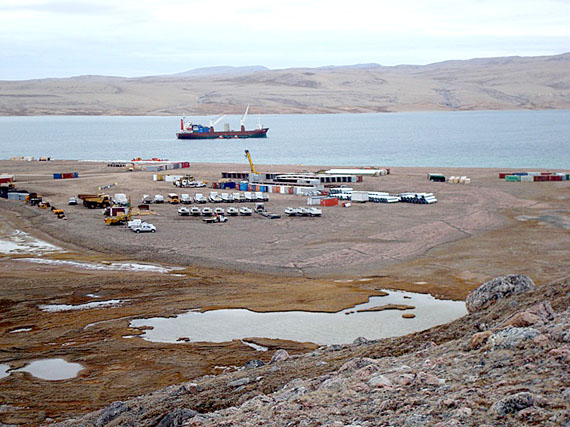
Nunavut stands to see about $100 million in tax revenues per year from the Mary River iron mine when it comes into production. (FILE PHOTO)
The Government of Nunavut can expect to haul in around $100 million in tax revenues per year from the Mary River iron mine, say documents filed by the mine’s owner this week.
That’s according to estimates by the mine’s owner, Baffinland Iron Mines, submitted to the Nunavut Impact Review Board in response to written questions from the GN’s finance department.
“This tax bill would largely be composed of the territorial component of tax on corporate profits,” the company writes in a 13-page response published Sept. 22.
“Taxes will also be derived from payroll taxes and fuel taxes. In addition to these direct tax payments, Nunavummiut working at the Project will pay income taxes and Nunavut businesses earning profits by supplying goods and services to the Project will pay corporate taxes.”
But Baffinland warns that figure isn’t guaranteed and depends on how profitable the mine is.
Questions about the economic impact of Mary River came from the GN finance department this past March.
One query slammed Baffinland’s economic analysis, contained in the Mary River draft environmental impact assessment filed this past spring.
The department called Baffinland’s economic forecasting “only a literature review of Nunavut’s existing economic environment. No real analysis or consideration is given to the project’s effect on the territory’s economy.”
The question calls for detailed figures forecasting changes to Nunavut’s Gross Domestic Product, growth rates, inflation, trade balance, personal savings rates and business climate.
“The Government of Nunavut requires quantitative ‘best’ estimates of the economic effects of the project on its economy as a whole, including the various economic sectors, in order to understand the project’s benefits versus costs.”
Baffinland doesn’t provide figures in its response, but downplays the risk that Mary River will drive up consumer prices in Nunavut.
The company predicts Mary River would boost demand for durable goods like furniture.
The response also says the mine would likely expand Nunavut’s economy, create new business opportunities across the territory and help the government fund infrastructure and education projects.
But it also acknowledges that some communities, particularly the six Baffin Island “point-of-hire” communities closest to the mine, could stand to gain more than other parts of Nunavut.
“Some communities will supply more labour than others,” Baffinland’s response says. “Some communities may host businesses that supply more services than others.”
Baffinland goes on to say Nunavut Tunngavik Inc., which owns subsurface rights for some of the land the Mary River project is on, also stands to earn around $100 million per year in royalties.
The Qikiqtani Inuit Association also stands to gain from Inuit Impact Benefit Agreements, land leases and gravel royalties.

Those negotiations continue in private, but earlier this month, QIA issued a news release saying the two sides have already reached agreement on issues like “education, training, business opportunities, and finance.”
But any agreement won’t come into effect until and unless NIRB gives the Mary River project the go-ahead.
(0) Comments