


Permafrost melt poses big problems for Nunavut mining
Uranium mining proposal needs frozen ground to contain radioactivity
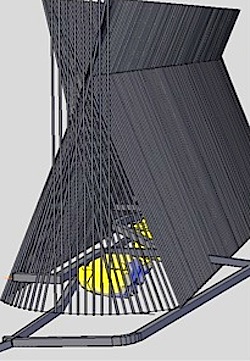
Keeping the ground frozen is good during uranium mining because it keeps the release of radiation down. This tipi-like contraption is one way Areva has managed to keep the soil frozen while mining uranium. (IMAGE COURTESY OF AREVA)
When a mining company decides to build infrastructure such as camps, airstrips or ports in Nunavut, here’s another big thing they have to worry about: permafrost.
That’s because as temperatures rise in the Arctic, ground temperatures are also rising — and this means that the ground may remain frozen at depth, but ice in the upper layer is likely to melt and can turn the surface into mud.
To drive home that danger to delegates at this week’s Nunavut Mining Symposium in Iqaluit, Anne-Marie Leblanc, a research scientist at Geological Survey of Canada, talked about how permafrost melt has wreaked havoc at the Iqaluit airport.
From 1971 to 2000, the average air temperature was -7 C, now it’s -4.2 C, and that’s warmed ground temperatures too, she said in her April 19 presentation.
But, when the Iqaluit airport runway was laid down in 1948, and then expanded over the next 40 years, no one worried much about climate change.
So, the airport ended up being built on top of lakes and streams — which are now causing the runways to buckle or sink.
The runways are also subject to cracking as ice wedges, long fingers of water, freeze and melt.
Permafrost can also lead to more erosion, which can potentially destroy infrastructure, Pascale Gosselin from Laval university told symposium delegates.
On June 8, 2008, the water level of the Duval River in Pangnirtung suddenly rose about three to five meters higher than normal in a matter of several hours.
That “very strong and unusual discharge” of the river caused severe loss of permafrost and both bridges in the community were permanently damaged, Gosselin said, the kind of once-in-every-100 year occurrence that mining companies should consider in their planning.
How to keep the ground frozen is already a top concern for Areva as it plans for its Kiggavik uranium mine project.
There, Areva wants to keep the ground frozen as it mines the uranium because this is one way to keep radiation levels down.

To keep the permafrost frozen, Areva is looking at using a tipi-like structure with thermosiphons to cool the ground.
Permafrost melt is also a worry for the designers of the railway Baffinland wants to build to service its Mary River iron mine.
They’ve planned for the tracks to run on high embankments to reduce any shifts to due permafrost.
(0) Comments