


Walrus meat near Sanikiluaq tests positive for trichinella
GN warns residents to watch for illness, cook walrus meat before consuming
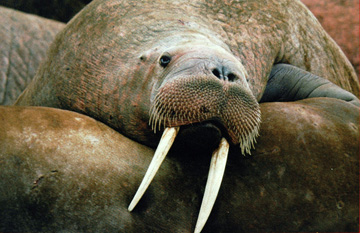
Nunavut health officials are warning residents of Sanikiluaq to cook any walrus meat after an animal harvested earlier this month tested positive for trichinella. (FILE PHOTO)
Nunavut’s department of health is warning residents of Sanikiluaq that a walrus caught near the community has tested positive for trichinella.
The Government of Nunavut said the animal, harvested Sept. 8, tested positive for the parasite that causes trichinosis.
In a Sept. 18 release, health officials encouraged anyone in the Hudson Bay community of 800 who have recently eaten uncooked walrus to note any adverse reactions, and report those to the local health centre.
The health department has not indicated is anyone in the community has fallen ill from eating walrus meat.
In the Arctic, trichinella — known as trichinosis or trichinellosis in an infected person — is caused by a microscopic parasite called trichinella nativa, sometimes found in the meat of wild mammals like polar bears, wolves, foxes and, most commonly, walruses.
The disease can develop after eating uncooked meat from an infected animal.
Once infected meat is consumed, trichinella worm eggs pass into the intestine where they grow and reproduce. The young worms then spread throughout the body in the blood stream.
The first symptoms of trichinellosis include diarrhea, vomiting, fatigue, fever, and abdominal discomfort for one to two days after eating the infected meat.
Headaches, fevers, chills, cough, eye swelling, aching joints and muscle pains, itchy skin, diarrhea, or constipation follow the first symptoms, for about two to eight weeks.
Death can occur in some cases.
Freezing or fermenting walrus meat does not kill the parasite; the meat must be thoroughly cooked before eating to prevent illness.
Hunters can contact their local hunters and trappers organization or local environmental health officer for more information about having walrus meat tested, the health department said.

Walrus tongues are sent to a lab in Kuujjuaq for testing.
Sanikiluaq is the second Nunavut community where the parasite was discovered this summer, after walrus meat in Rankin Inlet tested positive for trichinella in July.
(0) Comments