


Census, new household survey now underway in Nunavut, Nunavik
Longer set of questions now voluntary
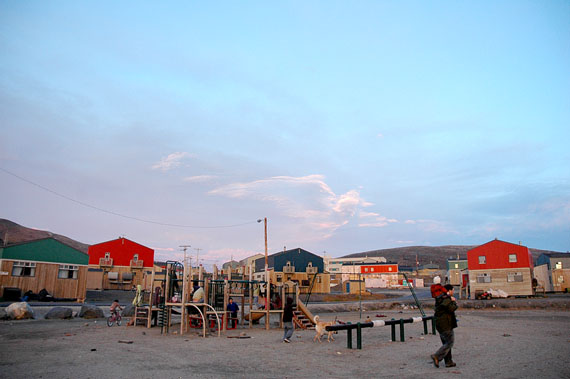
The 2011 census has begun across Canada’s North. Over the next two months, census workers will survey households in Nunavik and Nunavut. (PHOTO BY SARAH ROGERS)
The 2011 federal census and its new National Household Survey were launched Feb. 1 across Canada’s Far North.
The first step is enumeration, where residents are “counted” by census workers who visit households across Nunavik and Nunavut.
Early enumeration starts in Kuujjuaq and Chisasibi and will move throughout Nunavut and the country’s other northern territories over the next two months.
The major change in this year’s federal census is the elimination of the mandatory long-form census, abandoned by the Conservative government last year in favour of a voluntary National Household Survey.
Although there have been some changes to the new census, it will be collected and processed in the same way as it has in the past in northern communities, said a Statistics Canada press release.
The 2011 census includes the same eight questions that appeared on the short-form census questionnaire from 2006, with the addition of two questions on language. Those two questions will ask about the ability to speak English and French and the language spoken at home.

The census questions cover basic demographic characteristics such as age, sex, household relationship and mother tongue.
Information previously collected by the mandatory long-form census will be collected for the first time as part of the new voluntary National Household Survey.
The new questionnaire will include questions on language, ethnicity, religion, aboriginal identity, education, labour and housing. See a sample of the new survey online here: http://bit.ly/hBNrps.
When it was announced last summer, the government of Nunavut along with other Inuit organizations slammed the federal government’s decision to rid of the mandatory long-form census, saying the move would interfere with the territory’s ability to shape police and gauge social disparity.
Critics of the change have said the long-form census helped Inuit achieve a way of life that is on par with that expected by average Canadians.
Inuit Tapiriit Kanatami told a parliamentary hearing last July that the housing data collected in the long-form census was some of the most valuable information for measuring overcrowding in Inuit communities.

Collection of the census and household survey for the rest of Canada starts May 2, 2011.
(0) Comments