


Big meat giveaway has Kitikmeot munching on muskox
Nunavut company distributes hundreds of pounds throughout region
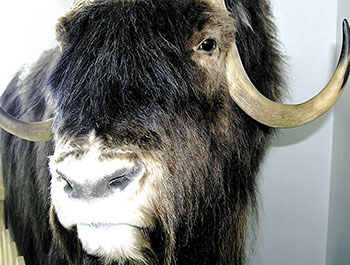
Lots of people in the Kitikmeot will eat muskox this week thanks to a giveaway from Kitikmeot Foods Ltd.. (FILE PHOTO)
Muskox spaghetti, meatballs, burgers and casseroles are on the menu in many Kitikmeot households this week thanks to a giveaway in the region.
Cambridge Bay’s Kitikmeot Food Ltd. gave 350 one-pound packages of federally-inspected ground muskox meat to the Ikaluktutiak wellness centre.
And 250 similar packages went to each of the other communities in the Kitikmeot via Canadian North— which picked up the tab for the cargo.
A community feast March 20 at the Luke Novoligak centre in Cambridge Bay also featured muskox meatballs with spaghetti sauce and pasta donated by Northbest Distributors in Yellowknife.
Students in the cooking program at Nunavut Arctic College cooked and served up the feast.
The muskox meat feast and distribution is Kitikmeot Foods’ way of celebrating a successful harvest, said co-manager Monique Giroux.
This year from Feb. 22 to March 11, hunters took 158 muskox.
That’s about 20 fewer muskox than last year, due to the stormy weather.
But the warmer-than-average winter conditions produced animals in good shape.
This year’s harvest provided nearly as much meat, about 25,000 pounds in total, as 179 animals did in 2009, Giroux said.
An estimated 30,000 muskox roams near Cambridge Bay, and biologists say the 400 tags that the Ikalututiak Hunters and Trappers Organization hands out every year for the commercial and sports hunts barely touch the population’s robust numbers.
However, the numbers of the muskox harvest vary from year to year and reached a high of 286 in 2006.

The muskox hunt itself is straightforward. Hunters work in a range from about 10 to 40 kilometres from Cambridge Bay. They use .243 or larger rifles to shoot the muskox, aiming for the head or throat and avoiding young and large bulls.
The commercial muskox hunt is done in a traditional way. This means hunters find the animals and don’t herd them together, as has been done in the Northwest Territories.
Hunters, hired by Kitikmeot Foods for the hunt, then haul the muskox by snowmobile to Kitikmeot Foods plant in komatiks. They can bring in about 30 animals a day in two batches, depending on weather and hunting success.
The hide, fur and horns go to the hunter and trapper organization.
Kitikmeot Foods operates in an unused fish plant in Cambridge Bay, which was transformed into a new slaughterhouse in 2005, to meet tough Canadian Food Inspection Agency standards.

Kitikmeot Foods, which owned by the Nunavut Development Corp. and the local HTO, returns about $100,000 back into the community in jobs, and will employ from 10 to 14 people from now until May, Giroux said.
(0) Comments