


A case for rent control in Nunavut
Residential Tenancies Act should be updated with more measures to make housing affordable, says Iqaluit lawyer
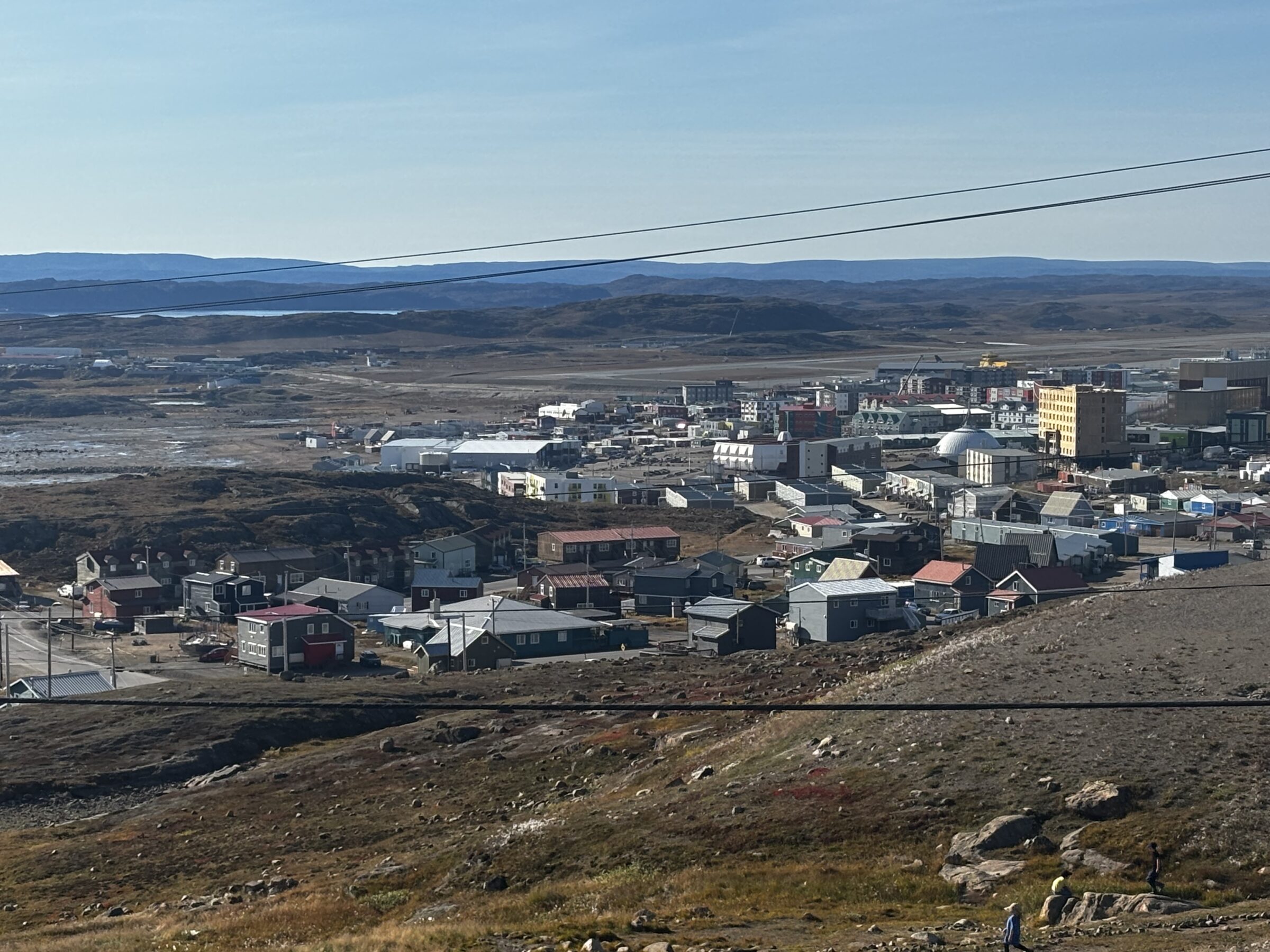
There is currently very little rent control in the City of Iqaluit. Landlords can raise rent once per year, with three months’ notice, says letter writer Andrew Morrison. He’s calling for a rent freeze to help make housing more affordable in the city. (File photo by Daron Letts)
As temperatures drop and we start to prepare for another fall, we’re reminded of one of Nunavut’s most urgent problems: housing.

Andrew Morrison
We don’t need another study to make us aware of the crisis. We see it every day not only on the streets of Iqaluit, but in other, more hidden ways: students coming home with nowhere to live, families crammed into relatives’ homes and long-time Iqalummiut losing their staff housing when they retire. Too many people face various forms of homelessness in their own homeland.
The numbers back this up. The Canada Mortgage and Housing Corp. reports that Iqaluit’s rental vacancy rate was just 0.3 per cent in 2025 — six empty units out of nearly 2,000. That leaves tenants with almost no alternatives and lets rents climb far beyond what many can afford.
Nunavut should freeze rents.
Rent control won’t solve the whole housing crisis. It won’t build the homes we badly need, and it won’t house everyone who is currently without shelter. But a rent freeze will help address staggering rental rates that seem to be going up every time we blink.
Rent control won’t lower today’s already high rates, but it would limit how fast they can rise in future. Right now, Nunavut’s Residential Tenancies Act allows landlords to raise rent once every 12 months, with three months’ written notice — but sets no limit on the size of the increase.

For example, a landlord could raise rent on a one-bedroom apartment from $2,500 to $5,000 a month, as long as the notice requirements are met. There’s no cap. In a territory where buying a house seems more and more like a distant dream (or nightmare) and government staff housing regimes inflate the rental market, local tenants simply have nowhere else to go.
A freeze on rent can also have other positive impacts on tenant rights. Following New York City Mayor Zohran Mamdani’s election on a rent-freeze platform, reports suggest New York landlords became more responsive to tenants’ repair requests, potentially reflecting the benefits of prioritizing tenants’ rights.
The path forward is clear. The minister of justice can amend the Residential Tenancies Act to let municipalities set their own rent-control rules, within territory-wide minimum standards. Iqaluit could adopt protections suited to its pressures, while Igloolik would remain free to choose its own approach.
We have a rental officer who hears landlord-tenant disputes. That office should be given authority to investigate unlawful rent increases, order repayment and enforce the rules.
Any new rules should cover all new rental units and should apply to housing paid for by governments and Inuit organizations. Rent control is also in the interest of the Nunavut government, Nunavut Tunngavik Inc. and other institutions facing steep staff-housing cost increases over the past 15 years.
Of all the housing problems we face, this one has a straightforward fix. The GN, NTI, and the City of Iqaluit should push for that authority — and use it.

Nunavummiut deserve stronger tenant rights and the security of knowing their homes will stay within reach.
Andrew Morrison is a lawyer and musician who lives in Iqaluit.
Nunatsiaq News invites readers to submit letters to the editor for publication. They must be less than 500 words and signed by the writer. Please send them to editors@nunatsiaq.com.
Excellent column! It shocks me that rent control has not already been implemented. Just bcz the govt can afford to pay high rents, they are looking to other way. The landlords are enjoying the cash and govt is sleep at the wheel it seems.
The Trudeau era is over Andrew – this type of pure business-as-the-enemy policy was tried for 9 years, and it failed. This is a clear call to end private development & ownership – Nunavut will never solve its housing issues with the Government going at it alone.
80% or more of all housing is public housing. A large stacking government employee rentals. Rent is effectively regulated.
I suspect that the issue is more unique and complicated in Iqaluit than it would be in a typical southern city or town. As we know, in Iqaluit there isn’t a private residential market like there is in the south; In Iqaluit about ninety percent of rentals are for social assistance, government housing or private staff housing. Also, the costs to build and maintain rental housing go up considerably every year. In this environment, government imposed rent controls might discourage developers from building more housing because it wouldn’t make business sense to do so.
I would hope that the Feds and GN put their staff housing projects out for a competitive tender or RFP process which would help them get the best deal and the best use of public money.
As a owner of a legal firm, how about capping legal fees?
The majority of rentals are rented to people on Social Assistance through the government. The rental rate is 60 dollars a month which many go unpaid. How about demanding that people keep up to date with their rent or they lose their public houses, opening more homes for other people needing homes.