


Baffinland seeks court approval for sale of assets
Shares in company, mine itself could be on the table
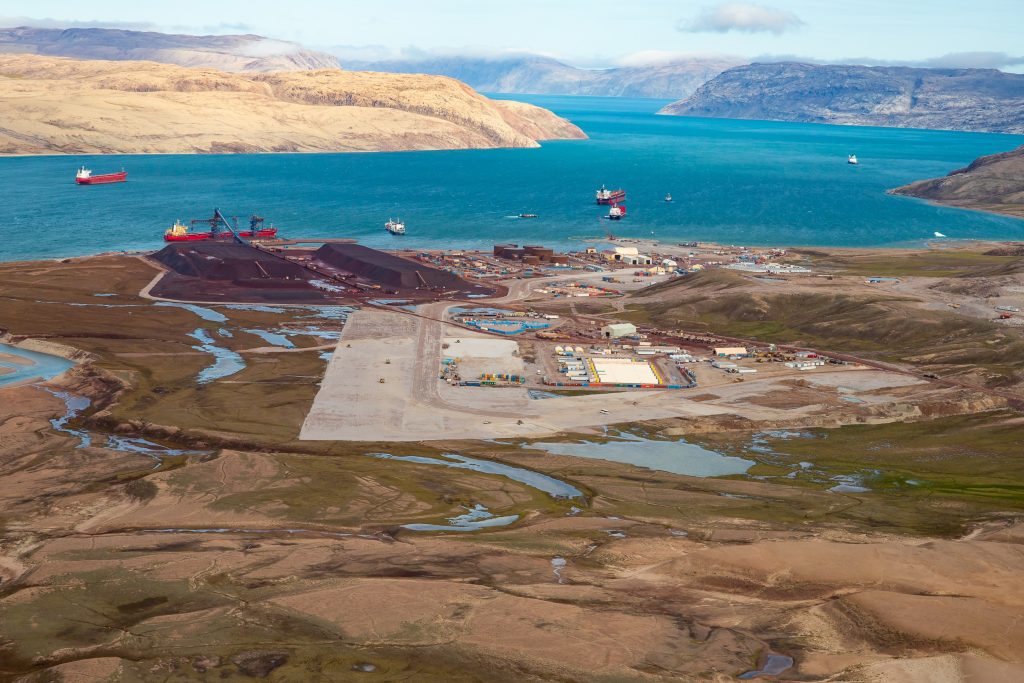
Proposals for the future of the Mary River mine, located on north Baffin Island, are scheduled to be presented to a judge on Oct. 9. (File photo)
Baffinland Iron Mines Corp. is seeking court approval to solicit bids on its shares and assets, which may include its Mary River Mine.
The company operates the mine on north Baffin Island and touts its ore as some of the highest-grade in the world. It began operations in 2014.
Baffinland sought creditor protection in May and a judge approved a $660-million loan from Export Development Canada in June so the mine could remain operational through this year’s shipping season.
The company owes more than $1.2 billion it says it cannot repay to lenders that include private equity firms, the federal and Nunavut governments, and Inuit organizations and businesses.
The $660-million “debtor-in-possession” loan, said Export Development Canada lawyers Oct. 2 in a court filing, was “expressly tied” to Baffinland pursuing a sale of its assets.
The company’s debtors, lawyers and executives are hammering out details for what this proposed sale and investment solicitation process would look like.
At question is who has final say over a potential deal to sell the company or its assets. Export Development Canada and the company’s lenders want a neutral, court-appointed officer and court monitor to have final say, while Baffinland is pushing for a committee of shareholder representatives.

Meanwhile, Baffinland continues to operate while working through the creditor protection process, said company spokesperson Peter Akman Tuesday in an emailed statement.
“The court has not approved a sale of Mary River mine,” he said, adding a sale and investment solicitation process will explore “several” options, including refinancing.
A judge is scheduled to hear the proposed sale process on Oct. 9.
With all that’s happening with the industry and with Stelko, this project needs to be nationalized.
Sure let’s undo the Nunavut agreement and just colonize the project, taking decision making away from Inuit on a generational project on Inuit Owned Land. Smart.
Do not glorify yourself too much just yet with your wise and knowledgeable words. Hear first what AI has to say;
‘Nationalizing the Mary River iron ore mine would not automatically take away the Nunavut Land Claims Agreement (NLCA) or Inuit rights and governance over the project.
The legal and constitutional protections provided to Inuit in Nunavut remain intact regardless of whether the owner is a private corporation or a public/state-run entity.
Why Nationalization Does Not Eliminate Inuit Voice
• Constitutional Protection: The NLCA is a modern land claims treaty protected under Section 35 of the Constitution Act, 1982. Changing corporate or government ownership of a mine does not override, cancel, or rewrite a constitutional land claims agreement.
• Inuit-Owned Lands: Parts of the project infrastructure or surrounding areas involve Inuit Owned Lands (IOL). Any operator—private or public—must negotiate and respect commercial leases, access agreements, and binding terms with the Qikiqtani Inuit Association (QIA).
• Impact and Benefit Agreements (IIBAs): Binding legal agreements like the IIBA between Inuit organizations and the project operator remain legally enforceable obligations that travel with the project, regardless of who holds the title.
• Co-Management Regimes: Regulatory processes through bodies like the Nunavut Impact Review Board (NIRB) derive their authority from the NLCA. Public ownership does not exempt a project from environmental screening, impact assessments, or public hearings involving Inuit communities and Hunters and Trappers Organizations (HTOs).
Potential Shifts Under State Ownership
While rights and voice would not be legally erased, nationalization could change the dynamics of how decisions are made:
• Direct Accountability to Government: Instead of negotiating with a private board of directors (such as Baffinland Iron Mines), Inuit leadership would deal directly with a Crown corporation or government ministry, which may bring different political priorities or bureaucratic hurdles.
• Public Policy vs. Profit Motive: A state-owned operation might balance economic development, territorial GDP (which the mine heavily supports), and national Arctic sovereignty against environmental and harvesting concerns differently than a private company, though statutory consultation and consent mechanisms under the NLCA would still apply.
If you would like to explore this further, I can provide more details on:
• How the Nunavut Impact Review Board (NIRB) handles project reviews
• What specific rights are guaranteed under the Inuit Impact and Benefit Agreement (IIBA)
• How Inuit Owned Lands factor into industrial development in Nunavut“