

Clare’s Law could be tool to prevent gender-based violence
Knowledge is power when it comes to avoid potentially abusive romantic partners
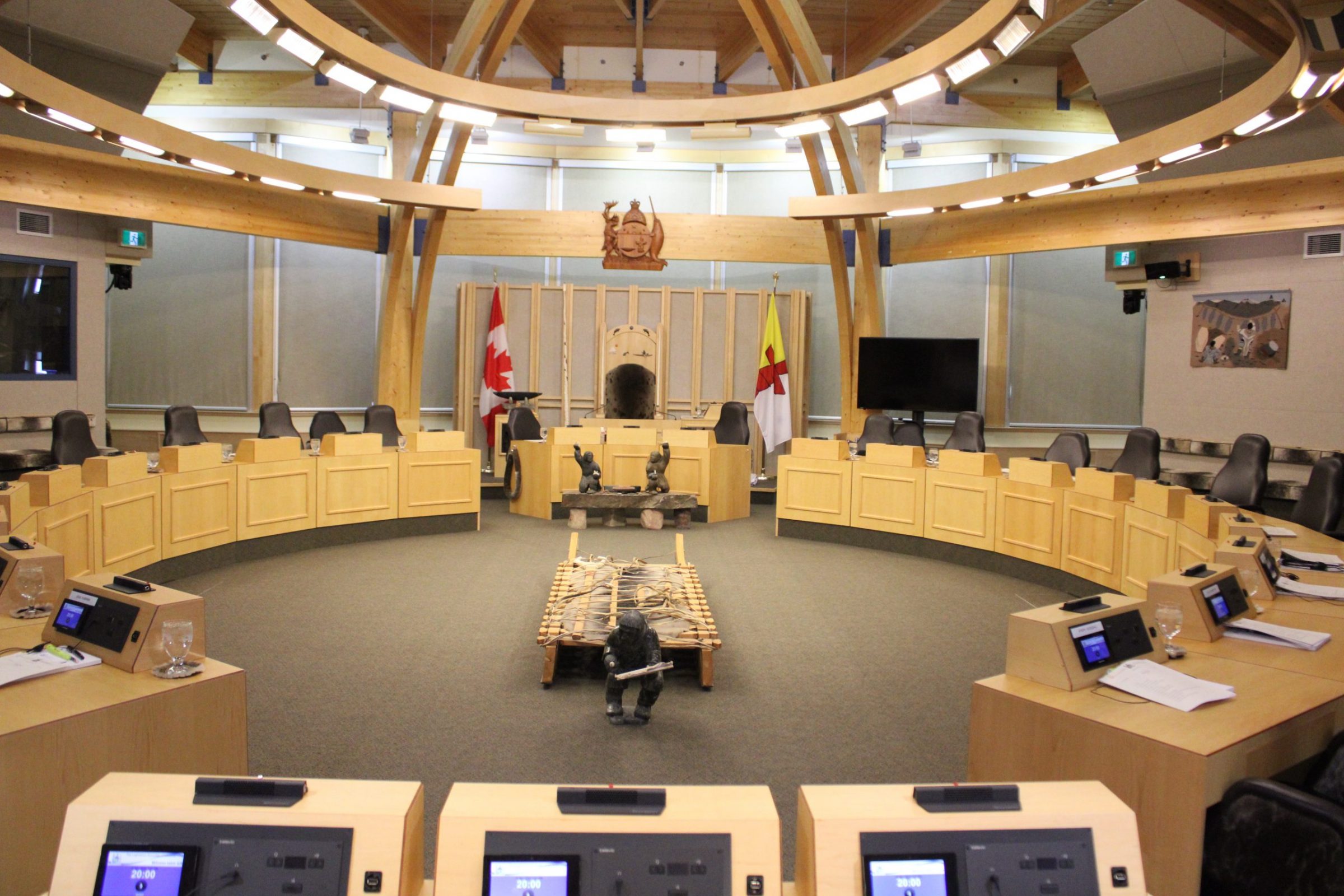
Nunavut is one of a minority of Canadian jurisdictions without a Clare’s Law to help people avoid potentially abusive romantic partners, though MLAs have considered it at least twice in the past five years. (File photo by David Venn)

Kathleen Lanoue
Clare’s Law has been adopted by seven provinces in Canada. Nunavut, however, is not one of them despite calls from advocates as well as talk about it in the legislative assembly in 2020 and 2023.
Since November is Family Violence Prevention Month in Nunavut (Domestic Violence Awareness Month in other parts of Canada), it’s a good time to look at the versions of Clare’s Laws adopted in Canada to help people avoid getting involved with potentially abusive partners.
It’s named for Clare Wood, a 36-year-old woman from the U.K., murdered in 2009 by her partner, whose history of violence against women was hidden and that she knew nothing about.
Under these new laws, a person can request information about a partner’s history with abuse and violence, and police also can choose to disclose this history for safety to someone they may be concerned about.
Most of us want to believe others are good; but what if we could know more about someone who might be capable of violence and abuse?
Violence in a relationship rarely exists without other controlling behaviours that, when combined, create the conditions for someone to manipulate, confuse, control and harm someone else.
Coercive control is an ongoing pattern of domination, manipulation, and psychological oppression within a relationship, designed to control or dominate a partner or family member.
People who do this use fear, intimidation, gaslighting, isolation and financial abuse to cause a person to need to depend on them, trapping the victim in a state of dependency and fear.
Control is part of an abusive relationship often before there is physical violence. Indigenous women and girls are much more likely to experience violence and although they make up four per cent of women in Canada, they represent 26 per cent of women killed by intimate partners.
Leaving an abusive relationship can also be made more difficult given the realities women face. Lack of affordable housing, jobs, child care and lack of shelter space to leave initially often complicate plans to get to a safer place.
Women have to weigh leaving one form of danger and risk for another and it takes courage and support to leave.
A person who is abusive rejects responsibility for their behaviour, instead blaming others — society, their partner, the police, or their job — for their anger and their abusive responses to conflict, stress or for how they behave.
It is a pattern. The cycle of violence includes expressions of regret quickly followed by a return to toxic behaviours after each incident. The truth is, the person choosing violence and abuse is responsible for their behaviour, regardless of what someone else is doing or saying.
How we respond is what we can choose and control. A person who will be abusive will allow themselves to be seen in the way they want us to see them, often before the full picture emerges. Victims are not responsible for the violence and abuse perpetrated against them.
Clare’s Law is designed to enable access to information that may provide knowledge otherwise unavailable due to privacy protections.
Knowledge can empower. While not perfect, it is a tool we have not had before in the fight against gender-based violence and the devastation it causes in the lives of victims and families.
Kathleen Lanoue is a registered social worker with master of social work degree. She has lived in both Naujaat and Iqaluit.
(0) Comments