


Nunavik police relaunch cadet program to build Inuit workforce
Eight-month program will combine policing, first aid, fitness, survival and land-based activities while offering cultural and psychosocial support
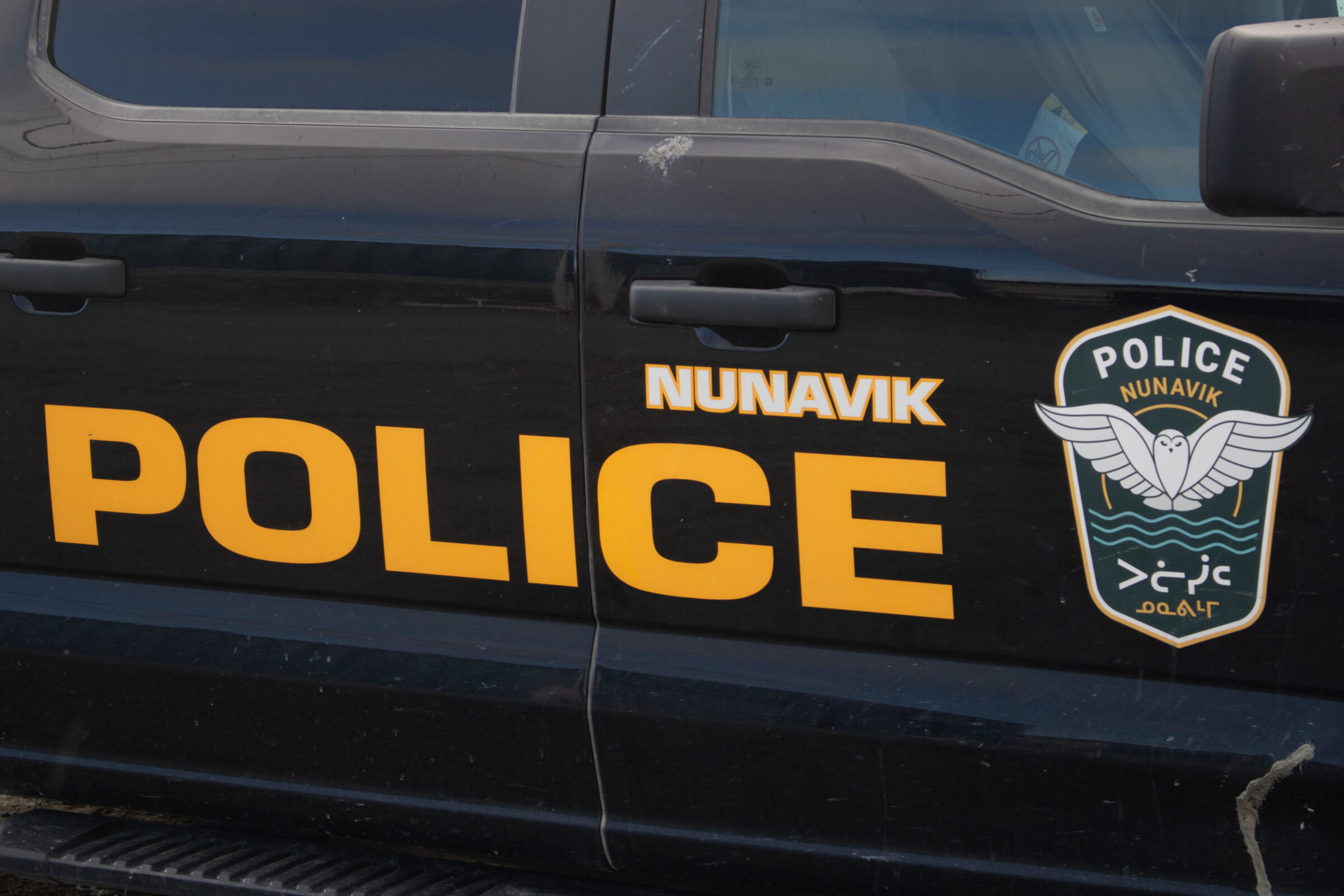
The Nunavik Police Service’s relaunched cadet program will give Kuujjuaq youth hands-on experience in policing, survival skills, first aid, fitness, and land-based activities. (File photo)
Nunavik Police Service has relaunched its cadet program with the goal of increasing its Inuit staff and providing learning opportunities for young people.
The eight-month program will recruit youth from ages 12 to 20 in Kuujjuaq to participate in various activities related to policing, survival skills, first-aid, and fitness training, said program co-ordinator Jessica Ashcroft in a French interview.
Former police chief Jean-Pierre Larose announced in March 2025 that the program would return after its last run, launched in 2018, was abandoned.
The program didn’t return last summer as anticipated, according to Ashcroft, who was hired in October, and said the delay might have been due to change in police leadership and a desire to develop a strong program.
Jean-François Bernier took over as chief of Nunavik Police Service in November 2025.
The new program is intended to go beyond exposing young people to police work, Ashcroft said.
“We want a program that accompanies them, that supports them,” she said. “The problems we have had in the past, we’ve learned from them and we don’t repeat them.”

The program will be divided into three age groups: 12 to 14, 15 to 17, and 18 to 20.
The cadets will meet every Tuesday for an in-class session following a curriculum that will introduce them to policing and cover topics such as first aid and other skills.
Ashcroft said she has partnered with Saqijuq, which offers cultural and traditional programming, to organize land-based activities such as hunting and fishing for the cadets.
“We want a more representative police force, but we want to also maintain cultural identity,” Ashcroft said.
She said she’s also working to give Inuit officers more support for their well being. She said former cadets who went on to become police officers sometimes encountered difficulties while responding to calls in their communities.
“One of the problems in the past was that previous traumas would resurface. They’d arrive at calls and relive things they’d experienced themselves, things they hadn’t yet dealt with,” she said.

She’s working on putting together a team to offer sessions on stress management, anxiety symptoms recognition, and prevention.
“Maybe eventually, if some of them are open to it, I’d like to have one-on-one support.”
Ashcroft said she hopes the program’s broader approach will help build trust and encourage more young people to consider policing as a career while remaining connected to their community and culture.
”If the goal is community policing, it’s about having the young people help at events, doing activities, and speaking to elders,” she said.
“It’s about being visible around the community.”

“One of the problems in the past was that previous traumas would resurface. They’d arrive at calls and relive things they’d experienced themselves, things they hadn’t yet dealt with,” she said.
And how do you know that? Also what are the other problems with retaining inuit officers? please share…
NPS and KRG have such wishful thinking… i would never want any kid to go into policing, inuit have zero support services in the community will be the same as always… chief and his goons will get credited for hiring inuit officers yet spit them out when they go sour…
How do you expect inuit officers to feel welcome when the krg regional council just shits on policing live on regional radio in thier meetings.. nothings changed since the early1990’s- 2000’s
Good evening Ex Cop! Perhaps you can contact me to share your experience as your pseudonym reveals you’ve been put through that system yourself. The goal is to try to find solutions and make improvements. Nothing is never perfect, but we have to at least try to make it better.