


Nunavut teen gains perspective on North through expedition
Youth from across Arctic come together to learn about culture, science and climate change
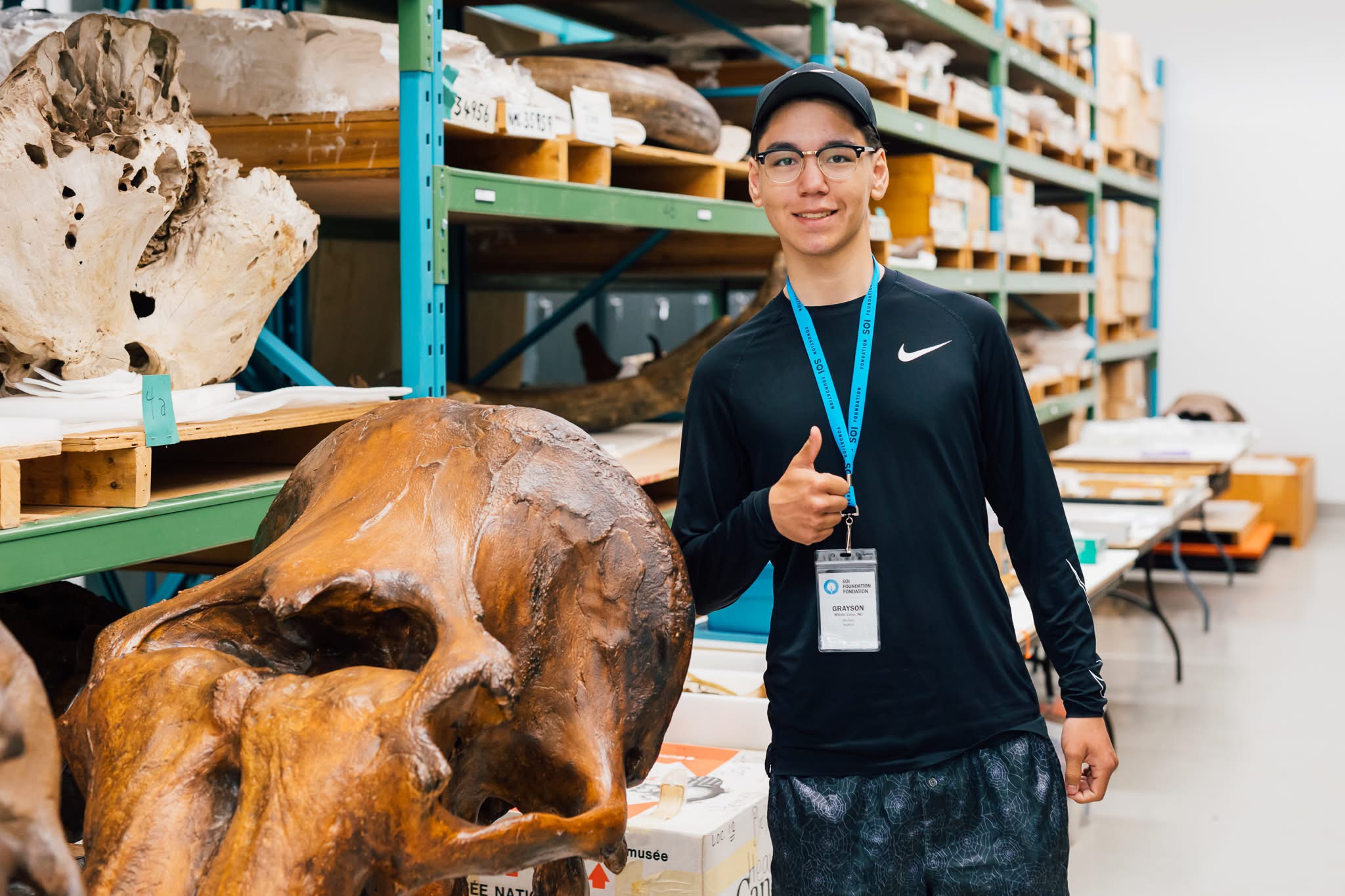
Grayson Maashi, 16, from Whale Cove is one of 60 young people taking part in the North-to-North expedition from Nuuk, Greenland, to Iqaluit. In this photo, Maashi is taking part in pre-voyage activities in Ottawa. (Photo courtesy of Students on Ice Foundation)
Grayson Maashi of Whale Cove is learning about Arctic governance, climate change and himself while taking part in a voyage from Nuuk to Iqaluit this summer.
The 16-year-old is aboard the Ocean Nova as part of a North-to-North expedition, which brought together 60 youth from Canada, Greenland and other Nordic countries to learn about different careers in conservation and science. The trip, which runs July 10 through 22, was organized by Students on Ice Foundation in partnership with the Arctic Council and the Nordic Council of Ministers.
“I got into it because I saw it as an opportunity to open my eyes more about the North,” Maashi said in an interview on July 16, while he approached the Torngat Mountains in northern Labrador.
Last summer the teen was working as a conservation student, patrolling for polar bears, observing wildlife management strategies in different communities and monitoring mining sites.
It was Maashi’s boss who recommended that he apply for the 12-day expedition from Nuuk to Iqaluit, which is the second leg of this summer’s North-to-North expedition.
The trip’s goal is to expose its youth participants — 60 per cent of whom are Indigenous — to different cultures and career paths, said Craig McCallion, marketing and communications team lead with Students on Ice.
“We want them to be inspired, be excited about these different career paths, be excited about the future,” he said. “If we can get the youth to walk away with this experience thinking of new opportunities and new possibilities, I think we’ve succeeded.”
In Greenland, participants visited glaciers, ancient ruins and natural hot springs while learning about local history and taking part in workshops led by scientists and educators.
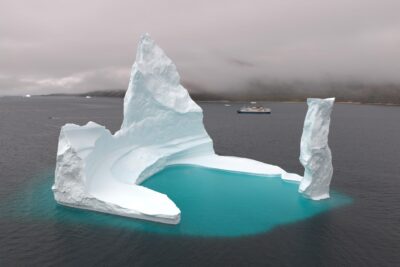
A view of an iceberg in the Uunartoq Fiord, Greenland, the first leg of the North-to-North expedition. (Photo courtesy of Students on Ice Foundation)
“One of the aspects that I learned that was similar to Nunavut was how they hunt,” Maashi said.
“They use lots of local knowledge from the elders, like we do in Nunavut.”
The adventure has helped him shape his future. He said that Nuuk, for instance, “seems like the place I would retire in” and conservation is “for sure” what he wants to do after school.”
Spending days at sea, though, has been an adjustment.

“I’ve gotten dizzy at times,” Maashi said with a laugh. “It’s a really fun experience though. I love it. I would definitely do this again, but not longer than two weeks.”
(0) Comments