


Ottawa conditionally approves export of Marineland belugas, dolphins
Federal fisheries minister’s approval would allow mammals to be moved to U.S.
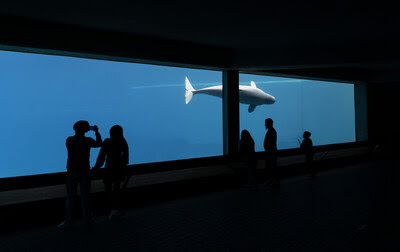
A beluga whale swims in a tank at Marineland in Niagara Falls, Ont., in a 2023 photo provided by World Animal Protection. The uncertainty surrounding the remaining belugas and dolphins at the amusement park is coming to an end as the federal government conditionally approves export permits.(Photo courtesy of World Animal Protection)
The federal government has conditionally approved Marineland’s plan to transfer its remaining whales and dolphins to the United States.
The move appears to end what one Inuk man hoped would have been an Inuit-led solution to release them into the Arctic Ocean.
The Niagara Falls, Ont. amusement park — which has been closed since late 2024 — asked the federal government last week for urgent approval to move the mammals to American institutions.
Fisheries Minister Joanne Thompson met with Marineland representatives Monday to discuss the plan and provided conditional approval for the export permits, she said in a statement posted on X.
“I will issue the final permits once final required information is received from Marineland,” she said.
“My focus throughout has been the best interest of the whales and that is what has guided this decision.”
Thirty beluga whales and four dolphins are believed to be living at Marineland.

Last week, The Canadian Press reported Marineland was prepared to go ahead with a plan to euthanize the mammals if it was denied permits to move them.
Marineland tried in October to relocate the whales to Chimelong Ocean Kingdom in China, but Thompson denied the request. She said approving the relocation permit would have meant “a continued life in captivity” for the belugas.
The 2019 Ending the Captivity of Whales and Dolphins Act bans the keeping of whales, dolphins and porpoises in captivity or for being used for entertainment.
Jason Etok, who grew up in Nunavik, suggested last fall that Inuit leaders provide a habitat for the belugas in Hudson Bay, Ungava Bay or the St. Lawrence River.
However, Fisheries and Oceans Canada said the belugas shouldn’t be released back into the wild.
Animals held in captivity for more than two years or that are born there lack survival skills and may pose disease and genetic risk to wild populations, the federal department said.

(0) Comments