


Situation ‘critical’ in Nunavik: Commission demands changes in youth protection
Report notes improvements and failures in system, gives Quebec government 7 recommendations
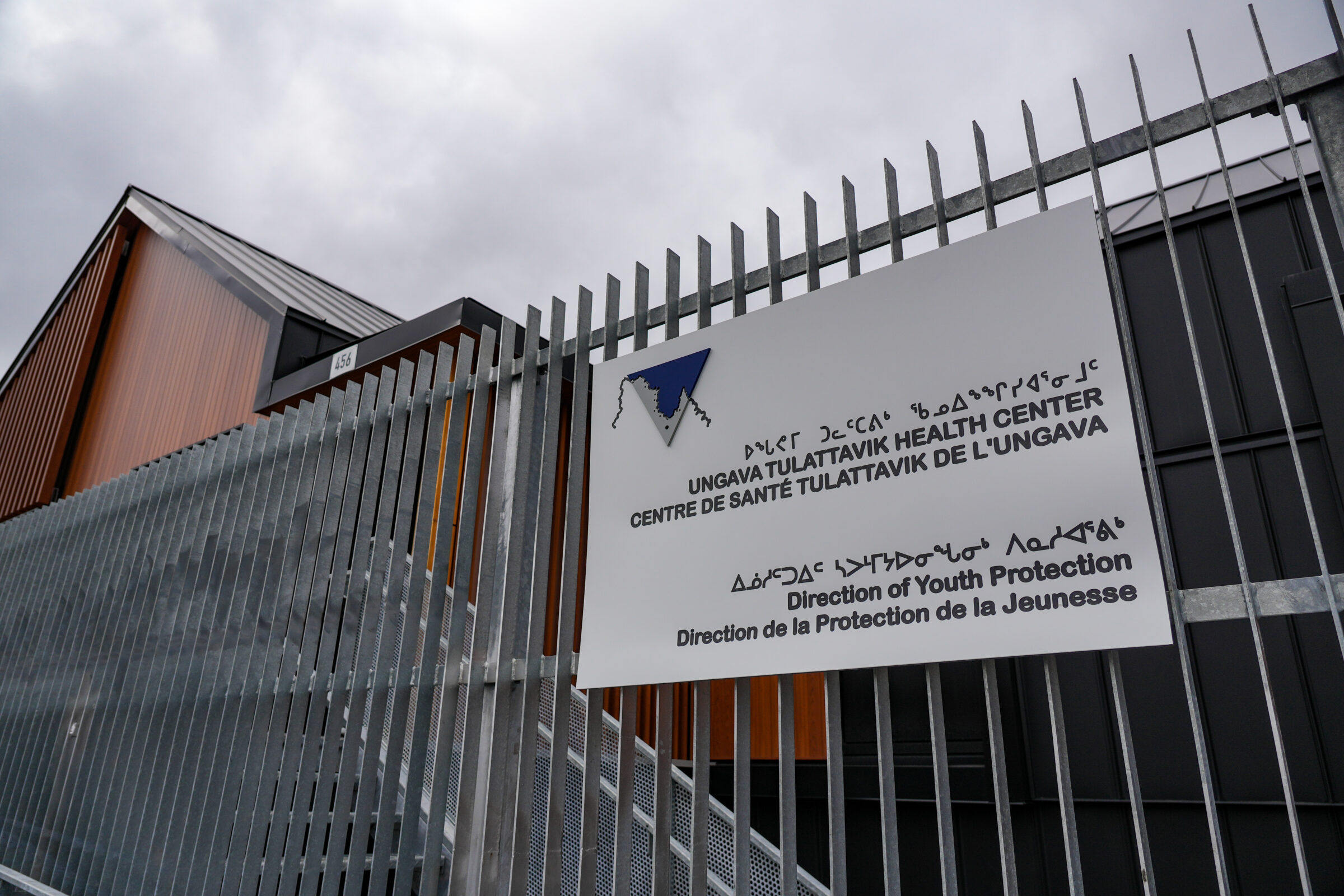
The provincial Director of Youth Protection has offices in Nunavik with both the Tullatavik and Inuulitsivik health centres. (Photo by Cedric Gallant)

Nunavik’s youth in child protection services have limited access to nutritious food and experience overcrowding and other socio-economic conditions associated with child neglect, according to a report released last week.
“The situation remains critical for children in Nunavik,” said the Report on the Implementation of the Recommendations of the Report on Youth Protection Services in Nunavik, released May 17 by Quebec’s Human Rights and Youth Commission.
The report points to the need to focus on the “root causes” behind what it calls a “widespread violation” of Nunavik children’s rights.
According to the report, 1,119 out of the region’s total youth population of 5,594 are under the care of youth protection services. That equates to 20 per cent of Nunavik’s youth, in contrast to the rest of Quebec, where three per cent of youth are in care.
This is the third report the commission has released on the quality of youth protection services in Nunavik. The first was in 2007 and it followed up in 2010.
Its latest report totals more than 60 pages.
“We made the recommendations … back in 2007, they told us where they are at now, and our observations of the information they gave us is that the situation is still critical, it has even deteriorated in our opinion,” said commission vice-president Suzanne Arpin in an interview.
Since 2010, the commission received 137 requests for investigations related to youth services provided by Nunavik’s two health centres, and more than 100 investigations were conducted.
The report says less than half of the jobs connected with youth protection service in Nunavik are filled, including an all-time low representation of Inuit, with an average turnover rate of 18 months.
One of the main points the report hammers home is the importance of implementing Inuit practices into the system.
“The services given in Nunavik do not account for the reality of families, children and Inuit culture,” said Arpin. “It is completely disconnected, and we have been saying this since 2007.”
She said “[Nunavik] has the capacity to take charge of their children and their nation. Either on the front line or in youth protection, they need to express their culture through the structures that they put in place.”
The commission listed seven immediate measures the Government of Quebec should take that are “required to protect children and uphold their rights and interests.”
Two of the measures are directed to the ministers for Indigenous relations and social services:
- Increase support to provide culturally safe services, and partner with the two health centres and Nunavik Regional Board of Health and Social Services to support workers in implementing the Youth Protection Act;
- Assess the “full spectrum” of social services for prevention and youth protection “through the lens of Inuit requirements.”
The report does say some improvements have been made since 2010. There are better front-line services and specialized treatment programs; leaders are doing more to make sure appropriate youth protection services that respect the rights of the child; they’re doing more training and supervision of the well-being of children and family workers; and they are doing work to improve living conditions.
Ian Lafrenière, the minister responsible for Indigenous relations, said in an email to Nunatsiaq News that “the statistics on youth protection in Nunavik are worrying.”
“There is no magic solution to the complex problems in the North,” he said.
“The government of Quebec cannot tell Inuit how to do things, but should collaborate with them to identify and put in place solutions adapted to their realities.”
Lafrenière said Quebec’s Department of Health and Social Services and Makivvik are already in discussions to improve youth protections in Nunavik.
Staff for Health and Social Services Minister Lionel Carment did not respond to a request for comment for this story.
WOW !!! , 1119 under youth protection , that , a lot !!!!!
That’s 1 out of 5 youth. Wow. Young parents really need to think things through before having kids. If you can’t adopt a dog without letting it run off and get picked-up by by-law every other day and eventually euthanised, you’re probably not ready for kids.
Now lets take a look at Nunavut, and take into consideration total volume of concerns put forward that lead to no action. I’d be willing to bet if Social Services had the capacity, in Nunavut, you would be looking at close to 40%+. We all know the capacity isnt there, we all know large groups of kids not under the protection of social services that are out all night causing community damage, don’t go to school, and will eventually turn into young offenders or amount to nothing all because there’s no home life for them.
Young minds that could be something with total degenerate parents or parents that are still kids themselves, and our system just does not have the capacity to make up for all the shortfalls of the horrible parents that exist.
Its a sad reality, I feel bad for the kids in Nunavik, I feel bad for the kids in Nunavut. Gotta get that extra child tax credit though. Pop, booze and smokes don’t pay for themselves after all.