

Ungava advance polls to open Saturday
Élections Québec is visiting each of Nunavik’s 14 communities in an effort to make voting more accessible
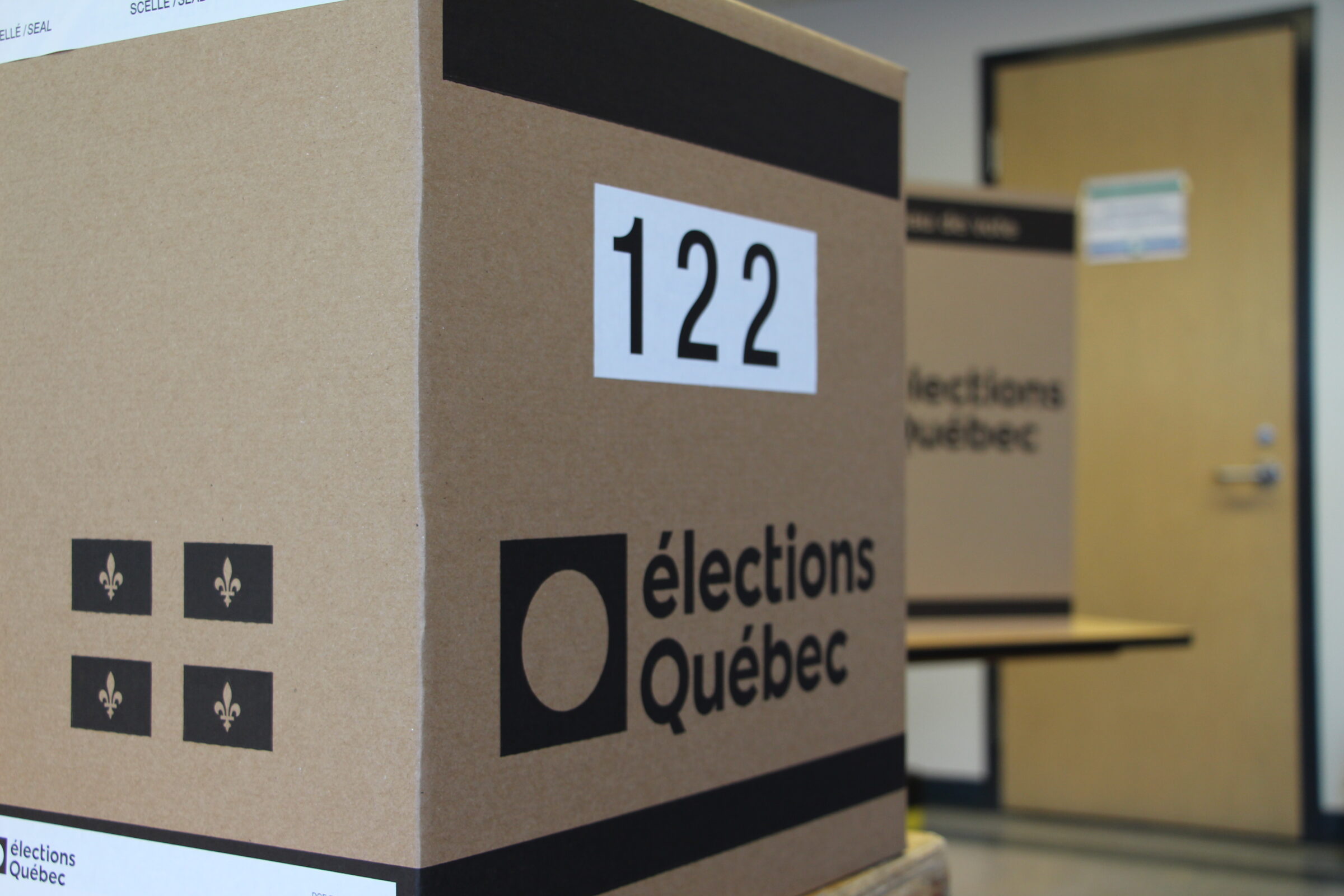
Élections Québec will visit Nunavik’s 14 communities as part of an effort to make voting more accessible in the Ungava riding, which has a historically low voter turn out. (Courtesy Élections Québec).
Advance polls for the Ungava riding in Quebec’s provincial election open Saturday, and staff from the provincial elections authority will be in each Nunavik community to help make voting more accessible.
Élections Québec spokesperson Julie St-Arnaud-Drolet said visiting remote communities ahead of the Oct. 5 election day is part of an effort to address the historically low voter turn out in Nunavik. It’s also a priority because they often struggle to contact electors through traditional means like the mail, she said.
“Last election, electors in Inuit communities didn’t receive their reminder cards, for example,” St-Arnaud-Drolet said about the 2022 election, in which they weren’t able to reach some residents because they didn’t have access to their post office box addresses.
In that same election, only 30 per cent of eligible Ungava voters — who live in the province’s largest riding by geography, at more than 855,000 square kilometres — showed up.
This year, from Sept. 26 to 30 — the advance polling dates in Nunavik — Élections Québec staff will help residents get on the elector list to participate in the election, in which five candidates are running in Ungava.
Voters will be able to cast their ballot from their village’s municipal office, except for those in Kuujjuaraapik, who must go to the community’s cultural centre.
Élections Québec targeted post office boxes across Inuit, Cree and Naskapi communities with information sheets detailing how to vote in English, French and in each community’s local language — a first for the agency, St-Arnaud-Drolet said.

She said staff also want to recruit locals to run the election in each of Nunavik’s 14 communities.
“If there’s local people interested in working during the day of the election, it would be fantastic, because they would be able to offer service in Inuktitut,” she said, adding that, while they’ve had some success recruiting Cree staff, they’ve struggled to attract Inuit.
She said Inuktitut will be also be displayed at voting polls but noted the ballots displaying candidate names will be in French only because the election agency wanted the full, proper names of each political party to be displayed.
The decision to offer French-only ballots on election day has generated criticism from the Avataq Cultural Institute, an Inuit cultural organization which defends the preservation of the Inuktitut language.
While its president, William Tagoona, was relieved to find information about the election in Inuktitut earlier this week in his mailbox, he said the translation should extend to the ballots as well.
“Who wants to mark a ballot that they don’t understand?” he said in an interview.

Many Inuit across Nunavik don’t speak French, with census data from 2021 showing 8,770 out of 13,985 Indigenous respondents, or 62 per cent, reported speaking English only. A total of 1,550 respondents, or 11 per cent, reported speaking neither French or English.
Tagoona was also disappointed that Quebec’s language law had initially forced Élections Québec to mail out voting materials in French only. As far back as 2023, the agency has asked to be exempt from the language law, which, since 2022, has forced government institutions to issue public communications only in French.
That changed on Sept. 16, after a Quebec Superior Court judge issued an emergency order asking Élections Québec to distribute information about the election in English too, following outcry from Montreal’s anglophone community.
Quebec’s ministry responsible for the protection of the French language declined to respond to Tagoona’s critiques, citing the civil suit before the Quebec Superior Court.
(0) Comments