


Coastal erosion, eye health research receive funding from Arctic non-profit
Money to support priorities identified by northern communities, ArcticNet scientific director says
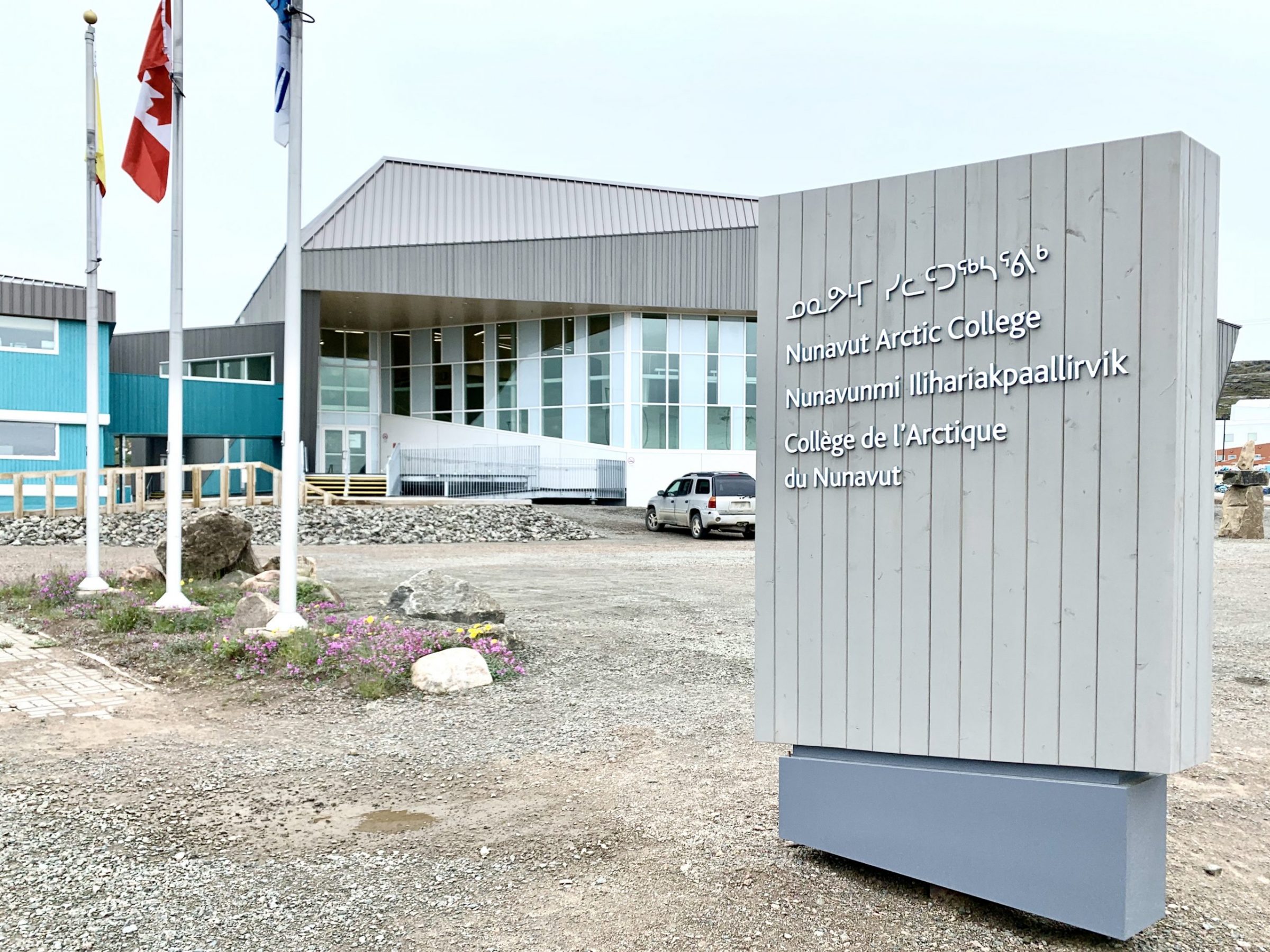
Nunavut Arctic College is receiving funding through ArcticNet’s Northern Research Leaders Program to strengthen Inuit-led research. The money comes from ArcticNet’s $9.3-million commitment to Indigenous- and northern-led research projects across the North. (File photo)

Northern researchers are getting a $9.3-million funding boost for their work looking into issues that range from coastal erosion to eye health.
ArcticNet, a Canadian non-profit, announced the money July 29 in a news release. A total of 13 projects across Inuit Nunangat and the North will receive support.
The projects were selected by an Inuit research management committee representing the four Inuit regions, ensuring they reflect priorities identified by northern communities, said Philippe Archambault, a scientific director with ArcticNet.
“People from the North know exactly what their priorities are,” he said. “By funding projects led by them and done by them, we expect they’ll be carried out exactly the way they want.”
Seven projects will receive a portion of $1.6 million over three years through the Inuit Qaujisarnirmut Pilirijjutit program, which ArcticNet says is the world’s first Inuit led, governed and directed research program.
In Grise Fiord, Ausuittuq Adventures, led by Terry Noah, will use drone surveys to examine how intense storms are affecting coastlines and ocean conditions around the community, the release said.
The Government of Nunavut will lead a Baker Lake project that uses artificial intelligence to improve screening for diabetic retinopathy, a diabetes-related eye disease that can lead to blindness if left untreated.
Other projects include, in Clyde River, the Ittaq Heritage and Research Centre’s Inuit-designed Wavy app, which measures wave heights to improve boating safety, and in Nunavik, the Anguvigaq Hunters and Trappers Association’s program to document Inuit knowledge of beluga to support wildlife management.
The announcement also includes $2.4 million over four years to strengthen research capacity at Nunavut Arctic College, Yukon University and Aurora College; $950,000 for community-led First Nations research; and an additional $750,000 to support Indigenous research governance across the North.
Nunavut Arctic College will use the money to expand its Inuit-led One Health research, strengthen laboratory capacity to study wildlife diseases, water quality and contaminants, provide Inuit-centred research training and continue developing the Isirvik Nunavut Research Portal.
As well, $3.6 million will be allocated over five years across Inuit Nunangat to fund the “people, systems, and organizational structures needed to lead, co-ordinate, and oversee research activities,” the release said.
Most of ArcticNet’s funding comes from the federal Strategic Science Fund, jointly administered by Innovation, Science and Economic Development Canada and Health Canada, as well as Polar Knowledge Canada, Archambault said.
I don’t trust ArcticNet who are they and who all works there?