


Minority government outcome stalls PQ referendum pledge
Missing out on a majority of Quebec’s national assembly seats will make it much harder to proceed with 3rd sovereignty vote
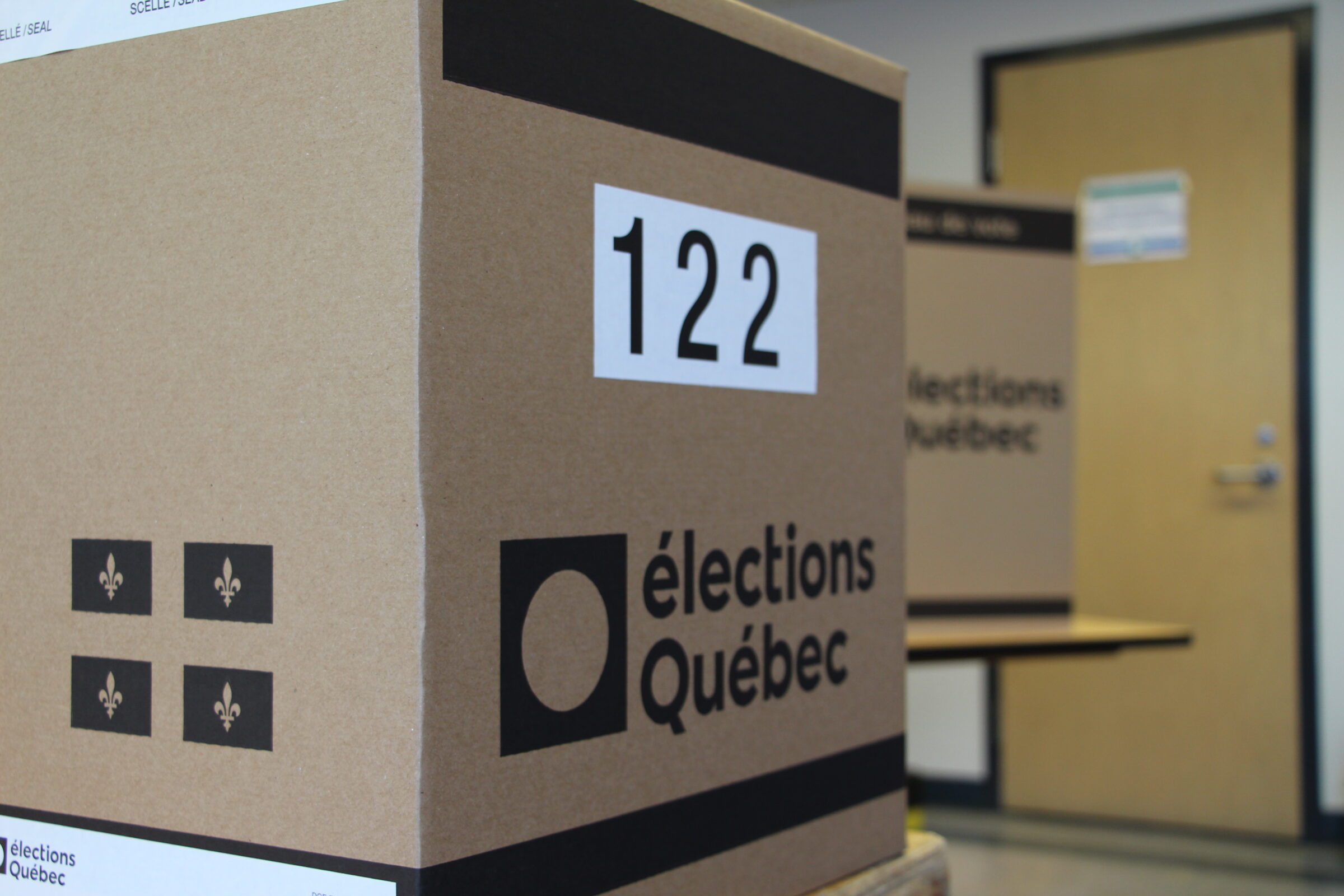
Quebec voters elected a Parti Québécois government on Monday, but the outcome — a minority government — means it might be quite a while before the new government can send voters back to the polls in a referendum on Quebec independence from Canada. (Photo courtesy of (Courtesy Élections Québec)
It’s hard to believe Nunavik is a hotbed of Quebec separatist sentiment, but there you have it.
The region’s newly elected member of the Quebec national assembly is Sonia Caron, of the separatist Parti Québécois that won a minority government in Monday’s provincial election.
Fortunately, the PQ’s failure to form a majority government means it will be much harder for the its leaders to deliver on their key promise to hold a referendum on Quebec’s future within Canada during its first term.
Just two days after the election, Caron was cagey about talking about a referendum.
“I can’t comment on that at this point,” she said in an interview with Nunatsiaq News on Wednesday.
Nunavik is better off in a united Canada, so it should come as a relief the PQ’s ability to hold a sovereignty referendum will be tempered.
On the campaign trail, party Leader Paul St-Pierre Plamondon said a PQ government would hold a referendum on separating from Canada in its first term. But there’s one condition — the referendum would only be held after U.S. President Donald Trump leaves office. Presumably, that would put any vote off until 2029, when Trump’s second term ends.
Having lost two referendums — in 1980 and 1995 — many PQ supporters are reluctant to hold a third referendum if it looks like they will lose again. A lot of Parti Québécois supporters only want to hold a referendum if there are winning conditions.
It’s hard to imagine that the winning conditions will exist by 2029. Will Quebecers be more inclined to look for independence after four years of a trade war with the U.S.? Will national unity be galvanized because Canadians have stood together to respond to the Trump-imposed economic challenges?
The PQ’s election as a minority government (it won 59 of the national assembly’s 127 seats) likely dampens St-Pierre Plamondon’s ability to deliver on his pledge to hold a referendum. The federalist Liberal and Conservative parties won 40 and 19 seats, respectively, leaving the Québec solidaire’s with the balance of power.
National unity is facing another — more immediate — challenge in the form of a referendum taking place in Alberta on Oct. 19.
Albertans will go to the polls to answer a question about whether the provincial government should hold a binding referendum about whether the province should remain in Canada.
If there’s a silver lining in the election of a separatist party in Quebec, it could be that the Ungava riding’s representative will be sitting in the government benches.

It’s similar to the idea that Nunavut MP Lori Idlout is better able to get the federal government’s attention on northern issues by sitting as a Liberal than she could while sitting in the House of Commons as a New Democrat.
Over the past eight years, Ungava’s MNA was Denis Lamothe, who was also a member of the Coalition Avenir Québec government. The Coalition party paid attention to the massive northern Quebec riding. Ministers like Ian Lafrenière, who held the Indigenous affairs and public security portfolios, visited the riding from time to time.
Northern Quebec was on the Coalition Avenir Québec’s radar.
Hopefully, that will continue as Caron takes over as the riding’s new representative in a new PQ government.
(0) Comments