


Nunavik leaders oppose Hydro-Québec power rate hike
Hydro-Québec increased rates April 1
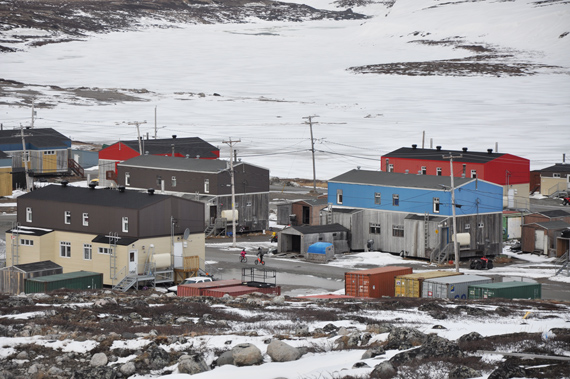
Quebec’s energy board recent approved Hydro-Québec’s proposed increase of 0.7 per cent for standard domestic rates, plus an eight per cent rate increase to the second tier usage in Nunavik over 30 kilowatts. (FILE PHOTO)
Nunavik’s leaders say they’re unhappy with a recent hike to electricity rates that went into effect across the region last week.
Quebec’s energy board recently okayed Hydro-Québec’s proposed increase of 0.7 per cent for standard domestic rates, plus an eight per cent rate increase to the second tier rate, which kicks in each day when consumption exceeds 30 kilowatt-hours.
The new rates went into effect April 1.
The Kativik Municipal Housing Bureau, along with other regional organizations who maintain housing and a small number of private homeowners in the region, pays a rate of 5.6 cents per kilowatt hour for daily consumption of up to 30 kWh per day — designed to encourage users to keep their usage down.
A second-tier rate — now at 34 cents per kWh — covers any consumption over that amount.
But Makivik Corp. and the Kativik Regional Government said this week that there are “detrimental social and economic consequences” for consumers in Nunavik compared to the much smaller increases announced for Quebec’s other regions.
“[We] fear the annual increase will eventually drive up rent, with the most severe impacts being felt by the region’s most disadvantaged residents.,” the organizations said in an April 4 release.
The KMHB estimates that a three-bedroom social housing unit in Nunavik might pay about $1,000 in electricity in a year. The eight per cent increase to the second-tier rate could mean a hike of about $100,000 across the region over the same period, the KMHB said.
The KRG and Makivik, which have been fighting the increase since it was first proposed in 2014, argue that high electricity use in the region is linked to overcrowded homes and fewer daylight hours and extreme cold in winter months.
At the region’s request, Hydro-Québec carried out a survey of the region’s customers to get a better sense of Nunavik’s energy usage.
But following an audit in six communities last year, the power utility found that a third of clients consume second-tier electricity rates occasionally or all year round.
In the homes Hydro-Québec visited, the utility said that over-consumption was linked to the use of generators and space heaters in garages, sheds or front entrances.

But most Nunavimmiut wouldn’t even be aware of their electricity costs, Hydro-Québec said, since 95 per cent of people in the region live in social housing, and do not pay their own electricity bills.
“Consequently, the idea of saving electricity means nothing concrete to most people,” the report noted.
“It seems that most people don’t understand that there are costs associated with the production and consumption of electricity or that the supply is limited.”
In an April 4 release, Makivik and the KRG called those claims “unsubstantiated” and said Hydro Québec has not done enough to develop and implement energy-efficiency measures and awareness programs for Nunavik residential consumers.
(0) Comments