


Nunavut plays host to Canada’s education ministers
“Gap in aboriginal education” to be discussed: Aariak
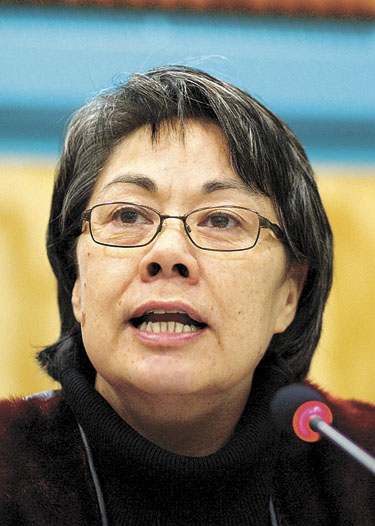
Premier Eva Aariak, who serves as Nunavut’s education minister, will host Canada’s provincial and territorial education ministers July 4 and 5 at a meeting to be held at the Frobisher Inn in Iqaluit. She said this gives Nunavut a chance to showcase the territory. (FILE PHOTO)
Nunavut will host a conference of Canadian provincial and territorial education ministers for the first time, July 4 and July 5 in Iqaluit.
“For many ministers, this will be their first time in the Eastern Arctic,” Nunavut premier Eva Aariak, who also serves as Nunavut’s education minister, said in a news release.
“I look forward to showcasing our territory and highlighting the successes and realities we face every day.”
The country’s provincial and territorial ministers of education will be in the Nunavut capital for the 101st meeting of the Council of Ministers of Education.
The council represents Canadian education policy internationally, since the provinces and territories – not the federal government – are primarily responsible for delivering education throughout the country.
The Iqaluit conference will include some discussion on “eliminating the gap in aboriginal education,” Aariak said.

In Canada’s provinces, education for aboriginal peoples on reserves is funded by the federal government. A 2012 federal government report warned that schools on reserves suffer from lower quality teaching.
The Government of Nunavut is responsible for elementary and high schools in the territory, which has no reserves, so it remains to be seen how the territory can contribute to the discussion.
“As we navigate the unique situations in each of our own jurisdictions, CMEC provides a central opportunity to work together,” Aariak said.
“I am always eager to re-connect with this group and delve into the important issues and policies surrounding our work in education.”
Other topics to be discussed at the conference include the value of post-secondary education, student assessments, and evaluation of education systems, said Colin Bailey, director of communications for the council.
(0) Comments