


Quota restrictions hamper Nunavik beluga hunt
“It’s very costly providing country foods in our communities”
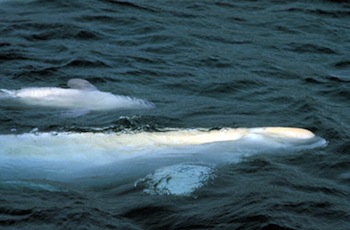
Hunters in Inukjuak must now travel to the Hudson Bay for most of their beluga take — a long and expensive journey they say. (FILE PHOTO)
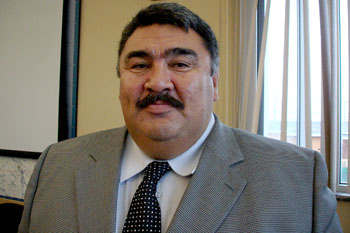
Johnny Oovaut, chairman of the Nunavik Marine Regional Wildlife Management Board, says “we’re having a hard time working with the government,” but will continue to press Nunavik’s point of view. (FILE PHOTO)
Some Nunavik communities say they lost out on this year’s beluga hunt, after spending a lot of money and time on community hunts.
Siasi Smiler, the Kativik Regional Government regional councillor for Inukjuak, told councillors at last week’s meeting in Kuujuaq that her community invested thousands of dollars into the hunt and came back mostly empty-handed this year.
Smiler says her community spent upwards of $30,000 on hunting supplies and to outfit its three boats for the long trip to the Hudson Strait, but ended up with little to fill its community freezers this year.
Inukjuak hunters are supposed to hunt most of their beluga quota in the unfamiliar waters ofHudson Strait, an area close to Ivujivik, hundreds of kilometres to the north.

That’s because the Committee on the Status of Endangered Wildlife in Canada says belugas in eastern Hudson Bay are endangered, that is, at risk of extinction. This means these whales need a recovery plan that involves curbs on hunting so that their numbers can grow — moves the federal department of fisheries supports.
So, this year, Inukjuak could only hunt four belugas in eastern Hudson Bay during the summer and was supposed to travel to the Hudson Strait for the other 26 belugas in its community quota (18 from June to August, and eight in the fall).
Smiler said she wants to see the community’s designated beluga hunting area expanded and moved closer to the community, to reduce the expense of the annual hunt.
Out of its summer quota of 30 belugas, Inukjuak landed only nine.
That’s although 2011 beluga hunt actually saw an overall regional increase in the quota — to 315 from 267 in 2010 — made possible by directing a large portion of the beluga hunt towards the Hudson Strait.
Since the summer quota is not transferable into the fall hunt, Inukjuak now only has eight whales left to hunt — and all must be taken in the Hudson Strait.

Other communities along Ungava Bay and Hudson Bay report the same problem of long distances and poor beluga harvests.
“It’s very costly providing country foods in our communities when we have to go hunting long distances,” said Joseph Annahatak, who represents Kangirsuk on the KRG’s regional council. “Sometimes the expenses are unnecessary…… and sometimes the communities are impacted when they cannot harvest.”
Johnny Oovaut, chairman of the Nunavik Marine Regional Wildlife Management Board, told the councillors that he has brought the issue to the DFO.
“Although the Hudson Strait has many whales, there are not many other regions where they are plentiful,” Oovaut said. “We’re having a hard time working with the government, but we’ll continue to work with them.”
In the meantime, Oovaut said that Inuit need to be more involved in the planning process and encouraged communities to write the DFO concerning the poor harvests.

Nunavimmiut already play a role in drafting the region’s beluga management plans, which spell out the total allowable take for each community and where hunters can harvest.
Nunavik’s hunters and trappers association, in collaboration with the DFO, send their input to the NMRWB.
This board, created by the Nunavik Inuit Land Claims Agreement, then makes recommendations and passes on the final version to the DFO minister for approval.
This year the two weren’t in agreement right away and information about this year’s quotas arrived much later than usual.
(0) Comments