


As Etsy plans fur ban, northern leaders
plan their response
Nunavut, N.W.T., and Yukon governments to urge company to reconsider policy, set to take effect in August
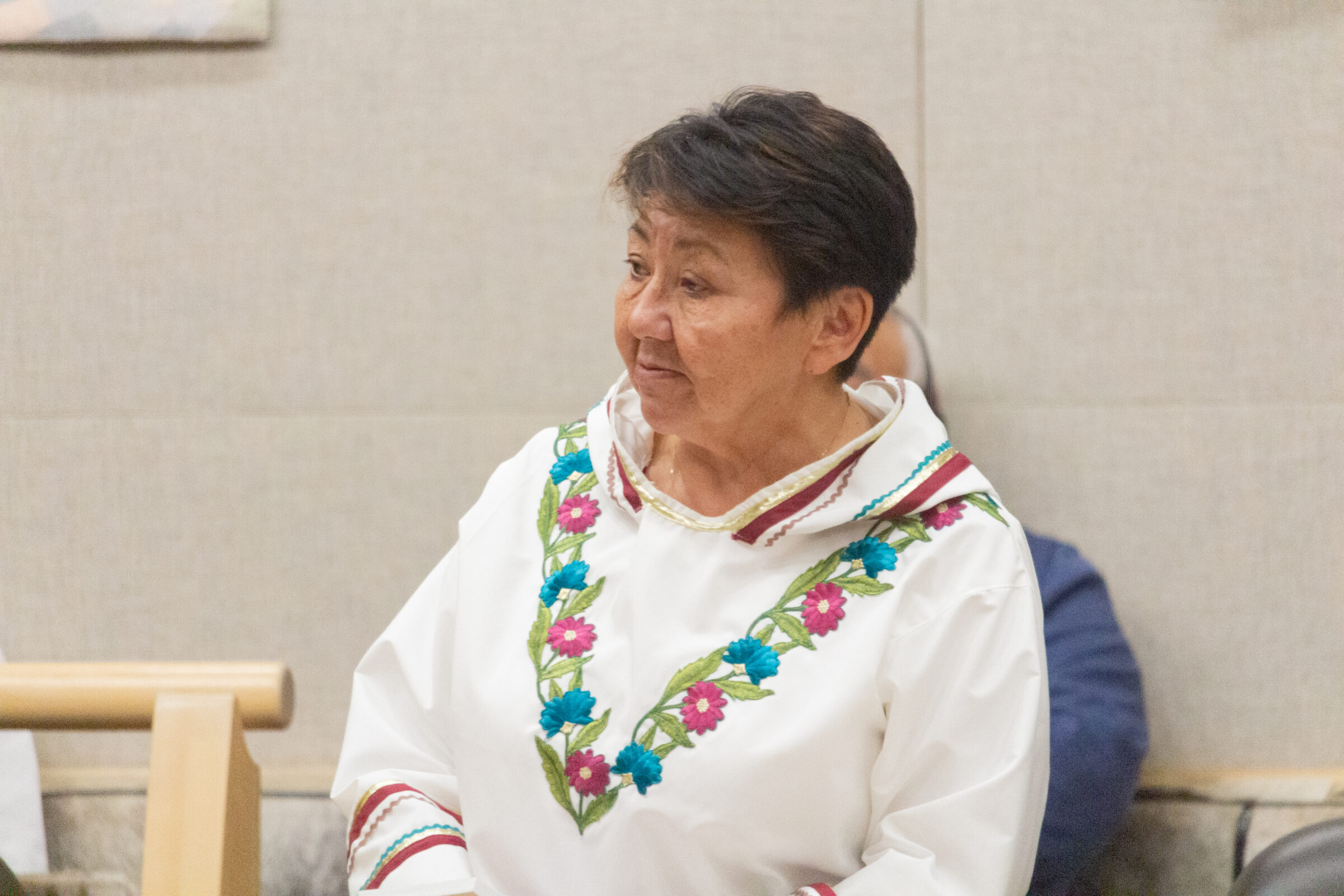
Aivilik MLA Hannah Angootealuk, seen here in a file photo, wants to know if Nunavut leaders will write to Etsy, urging the e-commerce site to reconsider its ban on materials popular with Inuit artisans, such as sealskin. (File photo by Jeff Pelletier)

Some northerners are pushing back as a popular website for artisans to sell their wares prepares to introduce a ban on fur and leather products later this summer.
Etsy is a website where 8.5 million vendors sell handmade wares to more than 85 million buyers worldwide. The company announced earlier this month that as of Aug. 11, it would prohibit “products made from or containing natural fur from animals killed primarily for their pelts.”
This includes seal, bear, wolf, whale, fox and rabbit — all popular materials for northern Indigenous artists.
“This is our livelihood. This is our ancient tradition,” said lawyer, activist and renowned fashion designer Aaju Peter in a phone interview Thursday.
“Etsy is so hypocritical. I’m sure they’re not all vegetarian.”
More than 30 other species of animals, described as “endangered, threatened, or at-risk wildlife products,” are also on Etsy’s list, including elephants, tigers, crocodiles and sharks.
Nunavut, Yukon and Northwest Territories leaders are working together to co-ordinate a response this month to Etsy, urging the company to reconsider the ban, said Community Services Minister Craig Simailak.

“Aug. 11 is going to come around very quickly,” he said in an interview, adding the ban would affect many community artisans who make things like vests, zipper-pulls, mittens and gloves.
“We’re definitely concerned about the potential impacts of this ban,” he said. “We are ready to contact Etsy and try to begin a dialogue.”
The move follows questions from Aivilik MLA Hannah Angootealuk May 28 in the legislative assembly.
“A number of Inuit have been selling their handmade products with sealskin and fox fur on the Etsy market for years,” she said, after thanking Simailak for wearing sealskin to the legislature that day.
Simailak admitted in his response to Angotealuk he was not familiar with Etsy but called the impending ban “unfortunate.”
He then went on to bring up plans his government has to set up an e-commerce website through the Nunavut Development Corporation.

“We can go through our own entities,” he said in the legislature.
“I’m sure that entities like Etsy, they take a bit of a percentage cut. That’s how they’re making money. And perhaps if we go through our own online platform, maybe we can get more of that cut to the artisans.”
Simailak’s department is also planning its first-ever Nunavut Sealing Summit in Iqaluit in February 2027. The event seeks to bring together industry leaders to grow sealing as a sustainable sector in Nunavut.
Iqaluit-based fashion designer Rannva Simonsen has never sold her seal products through Etsy, though many people have suggested she should, she said.
She offers her handmade sealskin purses, bowties, mittens and coats on her own website.
Simonsen said Etsy’s ban is misguided because it condemns the humane Indigenous fur trade and ignores the “atrocities” behind factory farmed leather.
She also expressed doubt that a government-backed letter campaign would work.
“I don’t think governments are going to make any difference, but it’s nice to have the support,” she said.
Instead, Simonsen advocated for lobbying environmental organizations such as Greenpeace and World Wildlife Fund: “Get them on our side,” she said.
Representatives from Etsy did not respond to a request for comment.
This fight was lost ages ago. The GN and the Inuit orgs blew any chances they had of influencing this situation by doing nothing. It’s now over.
Fur is so dead among Etsy’s core demographic. No sense in beating this dead horse.
Fur in general has, outside of the Indigenous economy, gone the way of smoking.
I don’t see any hope of resurrecting it. A small market will remain, but as Bruce Springsteen said, “These jobs are going, boys And they ain’t coming back”. Time to make a transition to something with a future.