


New law bars distribution of non-consensual deepfake imagery
New legislation modernizes existing legislation around victims’ rights
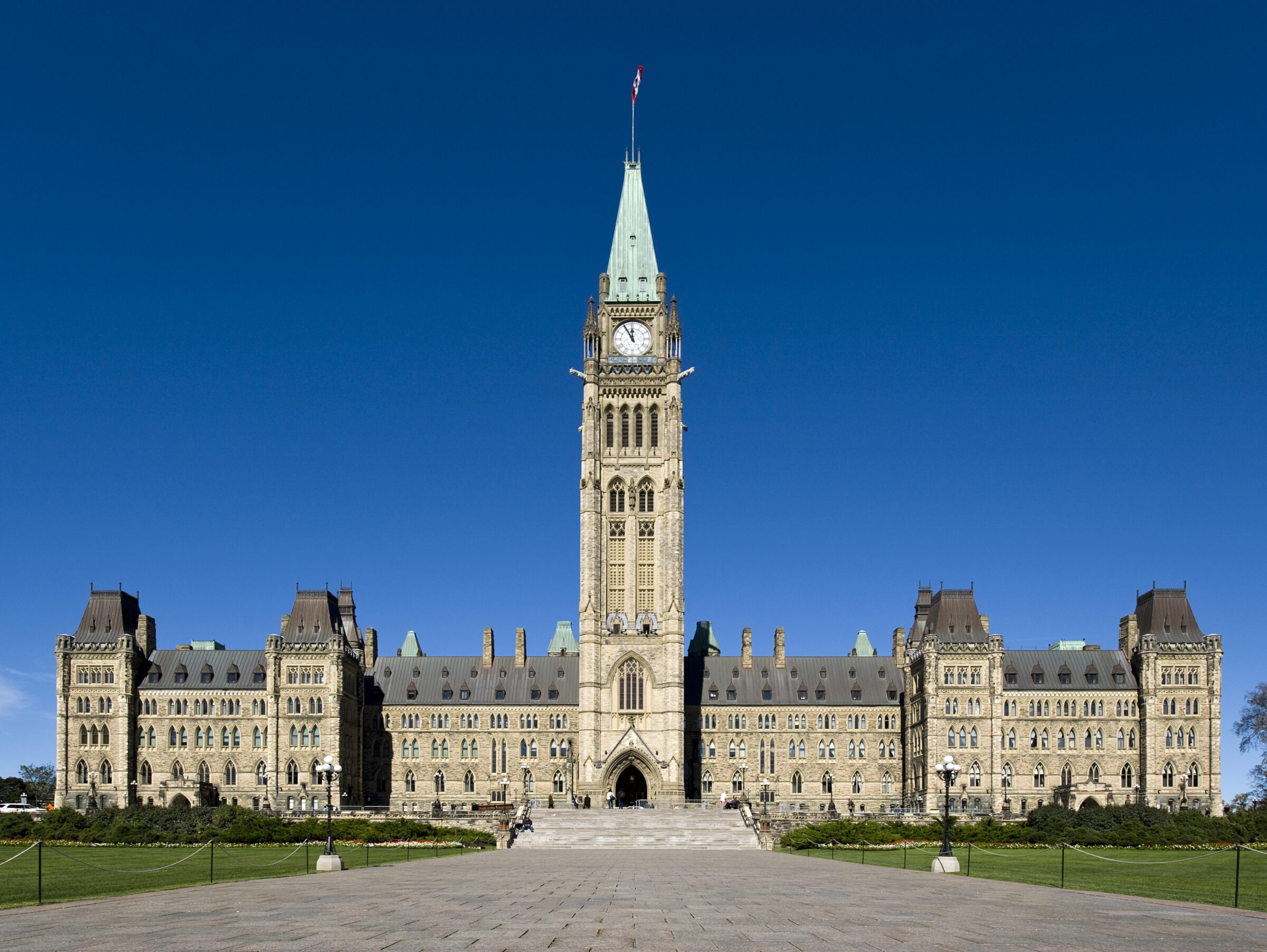
Parliament has passed into law Bill C-16, which includes the criminalization of non-consensual deepfake pornography. It received royal assent on Thursday and will go into effect 30 days after that. (File photo)
A federal bill that criminalizes the distribution of non-consensual intimate deepfake images received royal assent on Thursday.
The provision is included in Bill C-16, or the Protecting Victims Act, which is intended to modernize existing legislation. It also includes provisions against online sexual extortion and clarifies the law on online criminal harassment.
The new law comes into effect 30 days after receiving royal assent.
Non-consensual deepfake pornography consists of images artificially generated to look like real people in sexual acts.
Some people, like assistant law professor Suzie Dunn, say the new law will be a good thing.
Dunn researches technology-facilitated gender-based violence at Dalhousie University.
Until now, she said, no explicit law against publishing non-consensual sexualized deepfake imagery existed. Some victims can go through civil means, depending on which jurisdiction they are in.

British Columbia’s Civil Resolution Tribunal is one way of addressing non-consensual deepfake images, she said. A victim can file a complaint without a lawyer and receive an order to get the content deleted or removed from public websites.
“It’s a real mishmash of where you can be protected and where you can’t,” Dunn said. “I think the criminal provision is going to fill one of those gaps.”
Dunn added that Bill C-16 is not the “be all and end all,” but it’s an option many have called for.
“The criminalization of at least distribution of these types of images is something that’s going to send a really important social message,” she said, adding she is also advocating for a federal online harms bill that regulates social-media platforms and requires them to remove harmful content.
Others are concerned the new law might be too broad.
“There is a general assumption that it’s inherently gender-based sexual violence, when that is not necessarily the case,” said Carleton University professor Lara Karaian. “If you understand deepfake pornography as an extension of people’s expression rights, it can be an issue.”

Stephen Lowe, a Nova Scotia man with Nunavut ties is currently facing several harassment and other charges in relation to the creation and distribution of deepfake imagery.
In a case like his, “you can separate things like harassment and other kinds of things from the creation of deepfakes,” said Karaian.
(0) Comments