

Concerns over consultations, caribou halt uranium exploration plan
Nunavut Impact Review Board cites risk to wildlife, lack of clear mitigation plans from Atha Energy Corp.
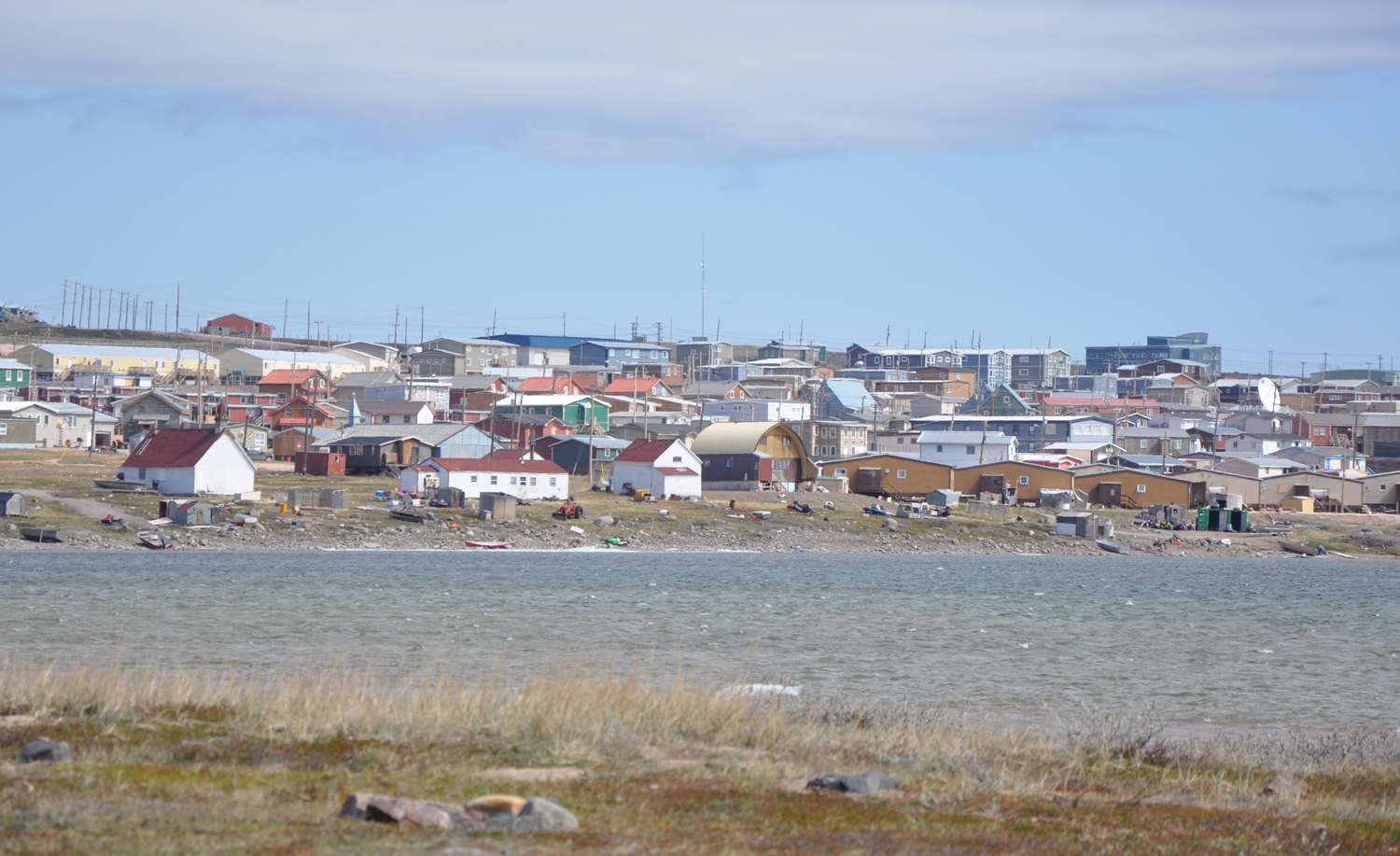
A proposed uranium exploration project by Atha Energy in Nunavut’s Thelon Basin has been flagged by the Nunavut Impact Review Board for posing unacceptable risks to caribou habitat and Inuit land use. The board recommended the company either revise its plans or withdraw the project entirely. (File photo)

A proposed mineral exploration project in Nunavut faces a significant roadblock after the territory’s independent impact assessment agency advised Atha Energy Corp. to alter its Thelon Property plan or abandon it.
The Nunavut Impact Review Board — which offers recommendations to the federal northern affairs minister to either approve or reject project proposals — found the project would have “unacceptable” impacts on the Kivalliq region’s environment and nearby communities, such as Baker Lake.
The board’s June 18 report highlighted concerns about potential damage to caribou habitats, traditional Inuit land use, and the cultural identity of Baker Lake.
Atha Energy Corp. is a Vancouver-based company that engages in the acquisition, exploration, and evaluation of mineral resources in Canada.
It proposed the project last November, outlining plans for mineral exploration including airborne surveys, drilling, and geological mapping, about 65 kilometres west of Baker Lake, the review board’s report said.
Atha aimed to operate its Thelon Property from February to September 2025, setting up a temporary 40-person camp and using heavy machinery, significant amounts of fuel and various waste disposal methods.
The proposal quickly met opposition when NIRB opened it to public comment in January.
The Beverly and Qamanirjuaq Caribou Management Board and Ghotelnene K’odtineh Dene raised concerns about the location, which overlaps with spring migration routes and calving grounds for caribou herds.
While the Kivalliq Inuit Association offered conditional support pending a land use licence review, it still requested more detailed information from Atha Energy.
The association asked for maps of haul routes, confirmation of safe transportation of dangerous goods, a survey schedule that respects caribou conservation, and proof of community permission for material storage.
Atha Energy responded in late February, the report said, promising to provide details on water sources, ensure dangerous goods transport followed regulations, and said it would submit an updated waste management plan.
It also described outreach efforts to community groups in Baker Lake and Arviat and acknowledged the project site overlaps with the Thelon Game Sanctuary.
Despite Atha’s responses, NIRB concluded the proposal still posed risks.
It found the project’s scope — covering about 980 square kilometres and crossing multiple caribou migration paths — made it impossible to predict the full extent of negative impacts.
Since Atha hadn’t provided precise details on flight paths, drilling sites and camp locations, it said it assumed those activities could happen anywhere within the claim area. NIRB concluded the proposal had the potential for “significant negative effect on caribou.”
The board also criticized what it called an apparent “lack of consultation” with communities.
The report stressed Atha Energy must clearly show how Inuit Qaujimaningit, or Inuit knowledge, would be collected and used in the project’s design and mitigation plans.
The board also advised Atha to identify areas that would be off-limits to exploration, especially concerning caribou protection. An approved archeological survey would also be a must before any ground is disturbed.
Atha Energy for comment numerous times, but the company did not respond to requests for comment on the board’s decision.
Public concerns over uranium exploration in the Thelon Basin are not new.
In 2022, a community consultation regarding Forum Energy Metals Corp.’s plans in the same area saw Baker Lake residents voice more than 30 questions or concerns.
That project was eventually approved and drilling started in 2024.
We need nuclear energy bad and they have to stop ot cause we might enrich it and become our own superpower ,trump will get jealous even more. Might bomb us up north
this is why we cant have nice things
So here we go again on yet another make-work project—for 28 people yet. Look at the bios on the NIRB website!
NIRB was advertising several positions recently. Did you put your name in to share your expertise and show them how to do their jobs?
NIRB will literally hire anybody by the looks of it
All you need is a high school diploma to become an Impact Assessment Officer at NIRB. Unreal.
Nunavut needs more educated Inuit!!!
What percentage of Inuit graduate from high school and continue to further their education in universities and colleges?
If the companies had Inuit engineers, qualified Inuit CEO’s in these companies then they would probably be better accepted. Not somebody hired in the community to represent them who is not able to answer any of the difficult questions. Such questions as how to mitigate the annual migration of the caribou, the preservation of the calving grounds, the need to ensure the drainage systems of lakes and ponds are not going to end up in waters the Inuit use.
The picture I describe is not yet for another 20 years or more. Inuit whom the people who will be affected can trust. The Inuit themselves have to improve their education rates in higher numbers. The government can’t do it for them.
Don’t complain, find ways to solve the problem,
“….and the cultural identity of Baker Lake”
Honestly: what?????
NTI, KIA, will approve it, they need the 2 billion dollars in royalty’s to prop up all their failing business ventures, and the southern Dene need the money, and as usual Baker Lake will get nothing.
Cultural identity of Baker is Facebook and the radio station bingo.🤣🤣🤣
Defund the NIRB. Useless. Why are they giving more weight to a group who doesn’t reside in Nunavut over the RIA?
Defund the RIA. Useless. Why do more of their profits and grants leave Nunavut than go to the membership.
NIRB Board consists of 7 Members or use to.
6 Fed Appointments and 6 NU Appointments, and the 7th is Chair appointment is Funder-Fed with Tie Voting Authority of NIRB
The board has 9 members: three seats are empty right now. The chair is nominated by NIRB, and looks like it is usually someone who was on the board already–from what I can see, Kaviq Kaluraq spent 8 years on the board before she became chair, her predecessor Elizabeth Copland had been there 7 years before she was chair the first time, Lucassie Arragutainaq was there for several years before he became chair, and so on. There are four members nominated by the Inuit orgs: 1 by NTI, and one each by the three RIAs. There are two appointed by the feds, and the last two appointed by the government of Nunavut.
Right now, they have an acting chair and five other members–2 members directly appointed by the GN, 1 by the federal government, 1 by NTI, 1 by KIA, and 1 by the other KIA. They’re missing a permanent chair, another federal appointment, and a QIA rep.