


Gjoa Haven’s outdated ATV bylaw to be replaced
Hamlet prepares new legislation after emergency meeting, serious ATV collision
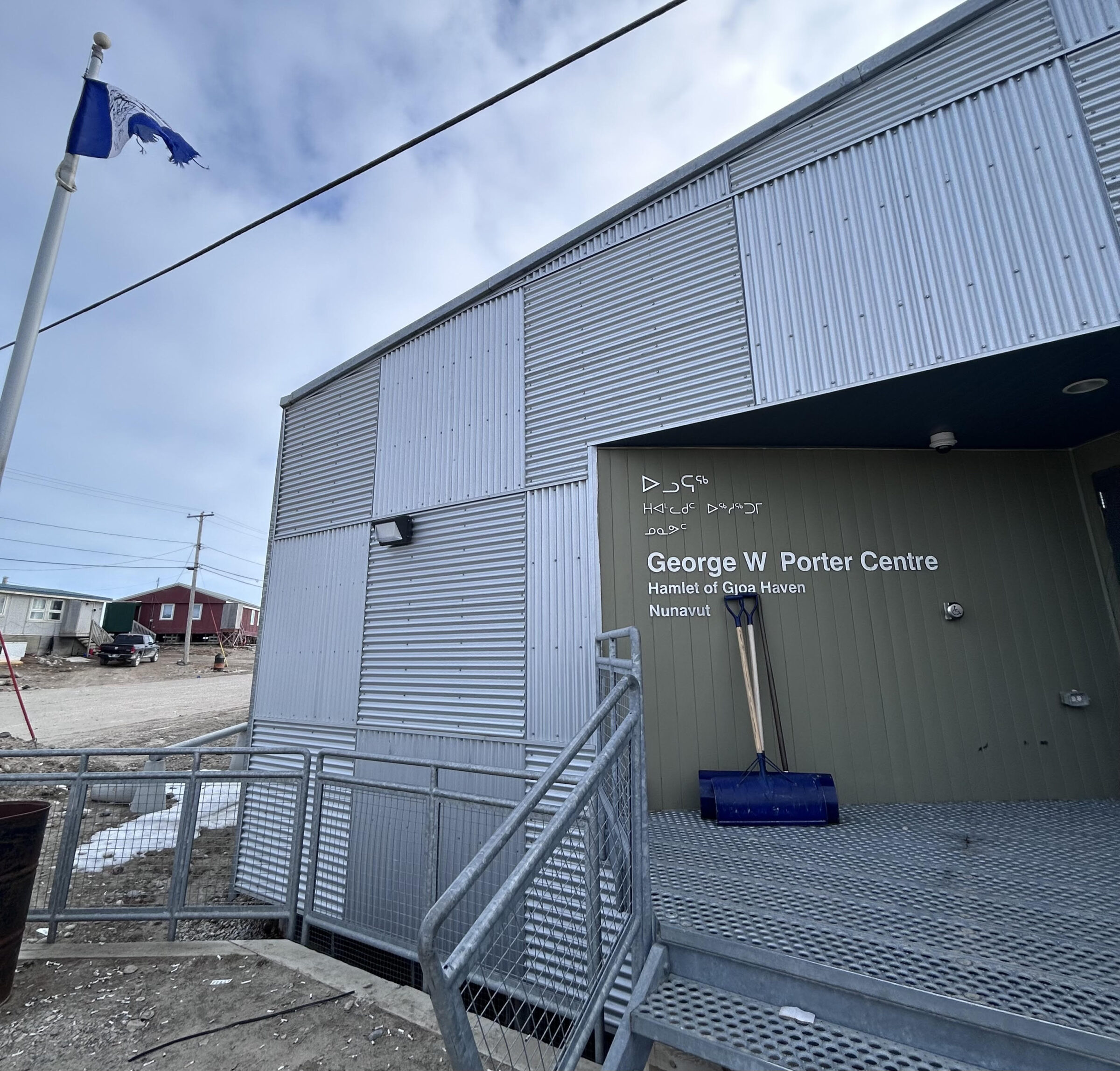
The Hamlet of Gjoa Haven is preparing a new draft ATV bylaw following an emergency council meeting on June 23, spurred by a serious collision that involved a visiting nurse. (Photo by Nehaa Bimal)

The Hamlet of Gjoa Haven is moving to modernize its all-terrain vehicle rules with a new draft bylaw set to go before council Tuesday, as officials react to a serious ATV collision that involved a visiting nurse.
Councillors discussed the bylaw during an emergency meeting on June 23. It focused on ATV and snowmobile safety and enforcement after an ATV struck Teresa Vo on her walk home from work on June 18.
She was medevaced to Edmonton and nearly died twice. Medical staff worked for 40 hours to stabilize her condition, according to a hamlet statement on June 24.
The driver was charged with careless driving under Nunavut’s Motor Vehicles Act, the RCMP said last week.
“We really regret that a visiting nurse had this experience, because we rely on them to save our lives,” hamlet chief administrative officer Jennifer Wakegijig said in an interview.
The hamlet said it has been preparing over the past few months to replace its ATV legislation, which dates back to 1992.
“We’re realizing we need to modernize the language of this bylaw,” Wakegijig said, noting it includes outdated penalties such as jail time that cannot be enforced because municipal bylaw officers do not have a jail.
She said that under the existing bylaw, municipal officers cannot “chase” speeding drivers, but they can issue fines and impound unsafe or unregistered vehicles.
However, Wakegijig said the issue is not the bylaw itself, but a lack of enforcement over time.
“I think it’s a community culture of acceptance of this way of driving that neither the families nor the hamlet, with its limited enforcement role, has done enough for,” she said.
Deputy Mayor Christine Porter said safety concerns include riders without helmets, overloaded ATVs and underage drivers who speed, often at night.
“The hamlet needs to be more firm, and parents need to be more firm,” Porter said in an interview. “It’s time for parents to take responsibility. If they have a quad, they are responsible for who has the keys and how anyone drives their quad.”
Both Porter and Wakegijig acknowledged road conditions in Gjoa Haven are “poor,” but they said speeding and unsafe driving is the bigger concern.
“I would say to the hamlet that they don’t use the roads enough to see how bad they are compared to other communities,” said longtime resident Greg Nahaglulik in a Facebook message, adding that roads lack proper gravelling.

“We need to bring focus on actual remediation, like resurfacing the roads with proper gravel and getting people properly trained on road repair and maintenance,” Nahaglulik said.
Hamlet officials say the draft bylaw will undergo first reading on Tuesday, followed by public consultation in July, with a final version expected later this summer.
“We’re realizing we need to modernize the language of this bylaw,”33 years to late, I hope she SUE’s the Hamlet for Billions!! I ignorant of a community do you have to be to still have bylaws from 1992? I remember hearing stories of when such Bylaws first came out, everyone used a Helmet because they were scared of the new laws. Now everyone just drives around with no bucket around town. I hope she sues the SAO, Mayor!!
This year we’ve seen several serious incidents that should concern everyone in Gjoa Haven. A young person reportedly crashed into an unmarked trench, our roads have ongoing hazards, and municipal equipment has reportedly been left on the land for extended periods—including a dozer sitting on the beach for weeks. These aren’t just inconveniences; they’re public safety issues.
The public deserves to know:
What risk management process is in place before excavation work begins?
Why are hazards not consistently marked or secured?
Why is equipment left in locations that may create safety concerns?
What is the plan to improve organization and prevent future incidents?
Leadership is about identifying problems before someone gets hurt—not simply reacting after an accident. Council and administration should explain what changes are being made to improve public works and protect residents.
To our residents who have been hurt this year please consider getting a lawyer and suing the hamlet. Maybe than the council and SAO will open the eyes.
LOL risk management, here’s a thought, maybe just finish the job so its clean and safe…. you’re Hamlet workers are just as incompetent as the SAO makes up stories that 33 yr old bylaws need to change. maybe dive with your eyes on the path and use your bucket and do the speed limit……even steven
There are plenty of qualified people in town. Unfortunately, many residents feel that if you’re openly critical of the CAO, your qualifications are no longer given fair consideration.
It’s also worth asking why there has been such significant turnover among both local employees and staff brought in from outside the community. High turnover often points to deeper organizational issues that deserve honest discussion.
Leadership should encourage collaboration, welcome constructive criticism, and build trust—not create an environment where people feel their opinions could work against them. Our community deserves an administration that values transparency, accountability, and respectful dialogue.
Atleast they found the 33 yr old bylaw. Funny how the emergency plans are AWOL and presumed lost during a renovation but the old bylaws are readily found.
Hopefully community members recall all these shenanigans when it comes time to review our CAO’s lackluster performance.
Sadly many safety protocols are written from blood. Introductions of security or safety measures are normally only made after someone gets injured or killed. This isn’t the first time this has happened in Nunavut (the cross walk near the boarding home in Iqaluit is another recent example I can think of) and sadly won’t be the last. This is also common all around the world (airport security only taken seriously after 9/11). Wish there was more proactive measures done to help protect people rather than be in response to people being hurt.
Updated or not, a bylaw is only as good as the officers who are hired to enforce it.
Or the willingness of the people to follow it.
100 percent.
It also makes me think about Nunavut’s smoking laws that are zero-enforced. You can’t walk into any establishment in town without walking through a cloud of smoke, including government buildings. It’s ironic that the government makes these laws yet fails to enforce them, even on their own grounds. The random email reminder to GN employees about it really helps (sarcasm).
The same at the hamlet building. All the smokers or blocking the door and one has to hold their breath to get through. Looks like a Simpsons episode its so bad.
Public safety matters, but bylaws also need to be practical and enforceable.
If we’re going to require helmets, ATV registration, and insurance, we also need to ask whether residents have a realistic way to comply. Where are people in Gjoa Haven supposed to buy approved helmets? Is registration accessible? Is insurance readily available and affordable? If compliance isn’t realistic, the bylaw risks becoming something that’s enforced inconsistently rather than improving safety.
At the same time, the Hamlet should be focused on reducing the hazards it controls. Roads should be maintained, trenches should be clearly marked, and municipal equipment shouldn’t be left where it creates unnecessary risks. The municipality has a responsibility to lead by example.
Good leadership isn’t just about passing bylaws or enforcing rules. It’s about making sure those rules are practical, explaining why they’re needed, and ensuring the municipality meets the same standard it expects from residents. The community deserves policies that improve safety while recognizing the realities of living in the North.
If speed is a concern what did the hamlet do about the serious crash the water truck was in this weekend? What is being done about the hamlet vehicles with no brakes and leaking fluids everywhere?
Overseer government department of the communities is CGS. Hamlets Act is from 1987. Go. See if you can change it. Go.
Public safety matters, but bylaws also need to be practical and enforceable.
If we’re going to require helmets, ATV registration, and insurance, we also need to ask whether residents have a realistic way to comply. Where are people in Gjoa Haven supposed to buy approved helmets? Is registration accessible? Is insurance readily available and affordable? If compliance isn’t realistic, the bylaw risks becoming something that’s enforced inconsistently rather than improving safety.
At the same time, the Hamlet should be focused on reducing the hazards it controls. Roads should be maintained, trenches should be clearly marked, and municipal equipment shouldn’t be left where it creates unnecessary risks. The municipality has a responsibility to lead by example.
Good leadership isn’t just about passing bylaws or enforcing rules. It’s about making sure those rules are practical, explaining why they’re needed, and ensuring the municipality meets the same standard it expects from residents. The community deserves policies that improve safety while recognizing the realities of living in the North.
“Where are people in Gjoa Haven supposed to buy approved helmets?”
I have seen helmets in every Co-Op and Northern in the territory. And, of course, ordering online. And please don’t tell me someone who can buy a multi-thousand dollar machine can’t afford a $100 helmet.
Kudos to the Hamlet. Good job