


New Nunavik rehabilitation service to begin with 46 patients
Visits planned for Hudson Bay coast in October and Ungava Bay coast in December
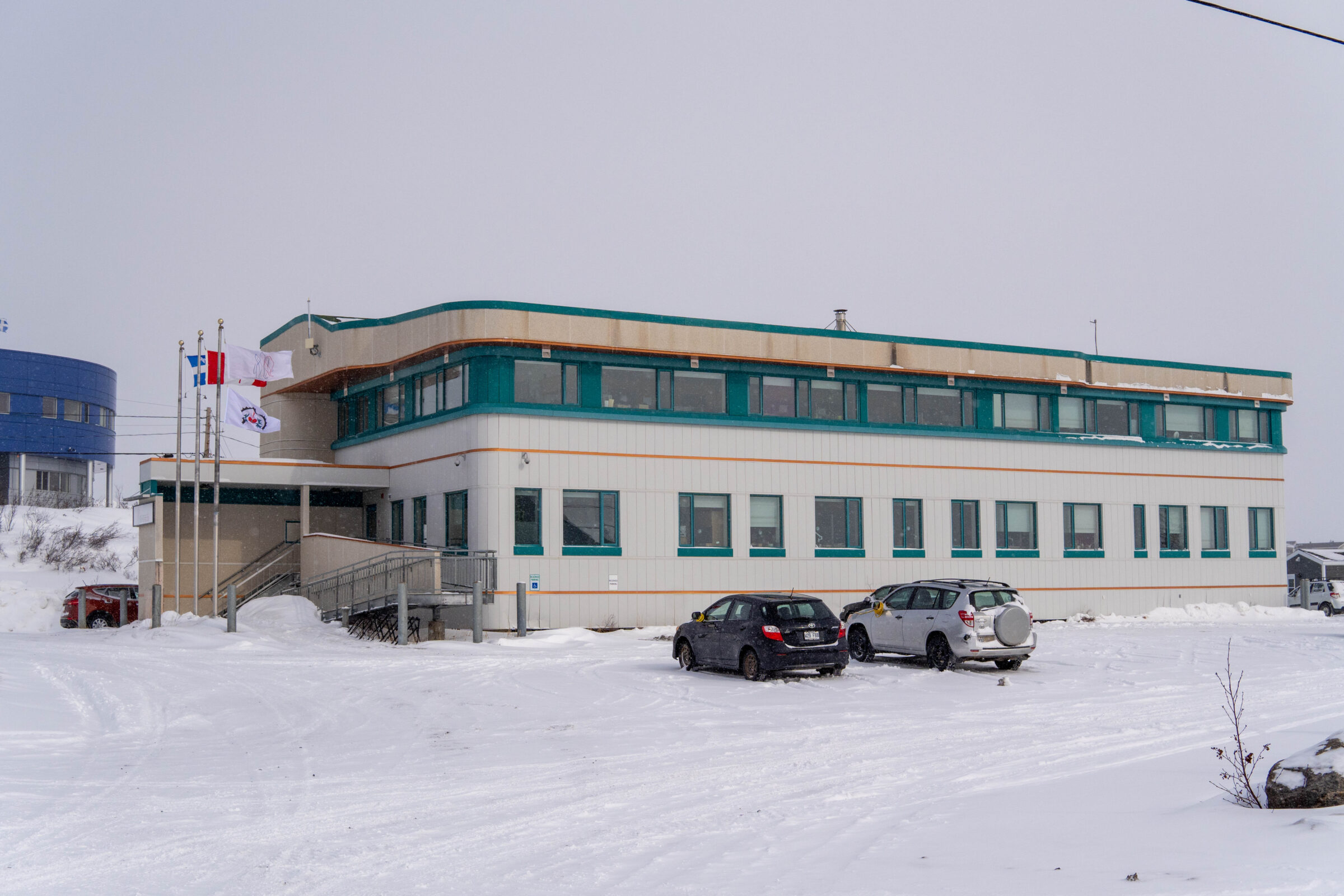
A new partnership aims to bring orthotics, prosthetics and positioning services closer to Nunavik residents, reducing the need to travel south for some specialized rehabilitation care. (File photo)
A new service that will give Nunavimmiut access to specialized services that are typically difficult to access in the North is set to begin later this month with 46 patients.
It’s the product of a partnership between the Nunavik Regional Board of Health and Social Services, the Constance-Lethbridge Rehabilitation Centre and the Quebec Health Centre-West-of-Montreal University.
“Work on the initiative began in 2022 and involved several years of consultation, co-ordination and planning,” said Maude Parenteau, planning, programming and research officer at the health board, Thursday in an email.
The service, administered by a technologist, will provide help with orthotics, prosthetics and positioning equipment, such as braces, artificial limbs and specialized wheelchairs.
Patients who need this care currently must travel to Montreal.
The technologist plans to visit two communities on the Hudson Bay coast during the week of Oct. 25. Two communities on the Ungava Bay coast are set to get their initial visit the week of Dec. 7.
Parenteau declined to identify the villages that will receive the service first. She also did not say if the technologist would visit every village.

First visits will focus on assessment, taking measurements and making moulds. Later visits will allow staff to deliver and fit the equipment and make any needed adjustments.
Several sources are funding the service, including Quebec’s health insurance board and the federal Non-Insured Health Benefits Program. Health centres and the regional health board will also cover costs.
Who pays for equipment and services will depend on the type of equipment needed and the patient’s eligibility for coverage.
Some patients with more complex needs may still have to travel to southern Quebec for assessments or procedures that cannot be done locally, Parenteau said.
(0) Comments