


Nunavik must act on police reform
to restore confidence
No time to waste on recommendations in KRG-commissioned audit of Nunavik Police Service
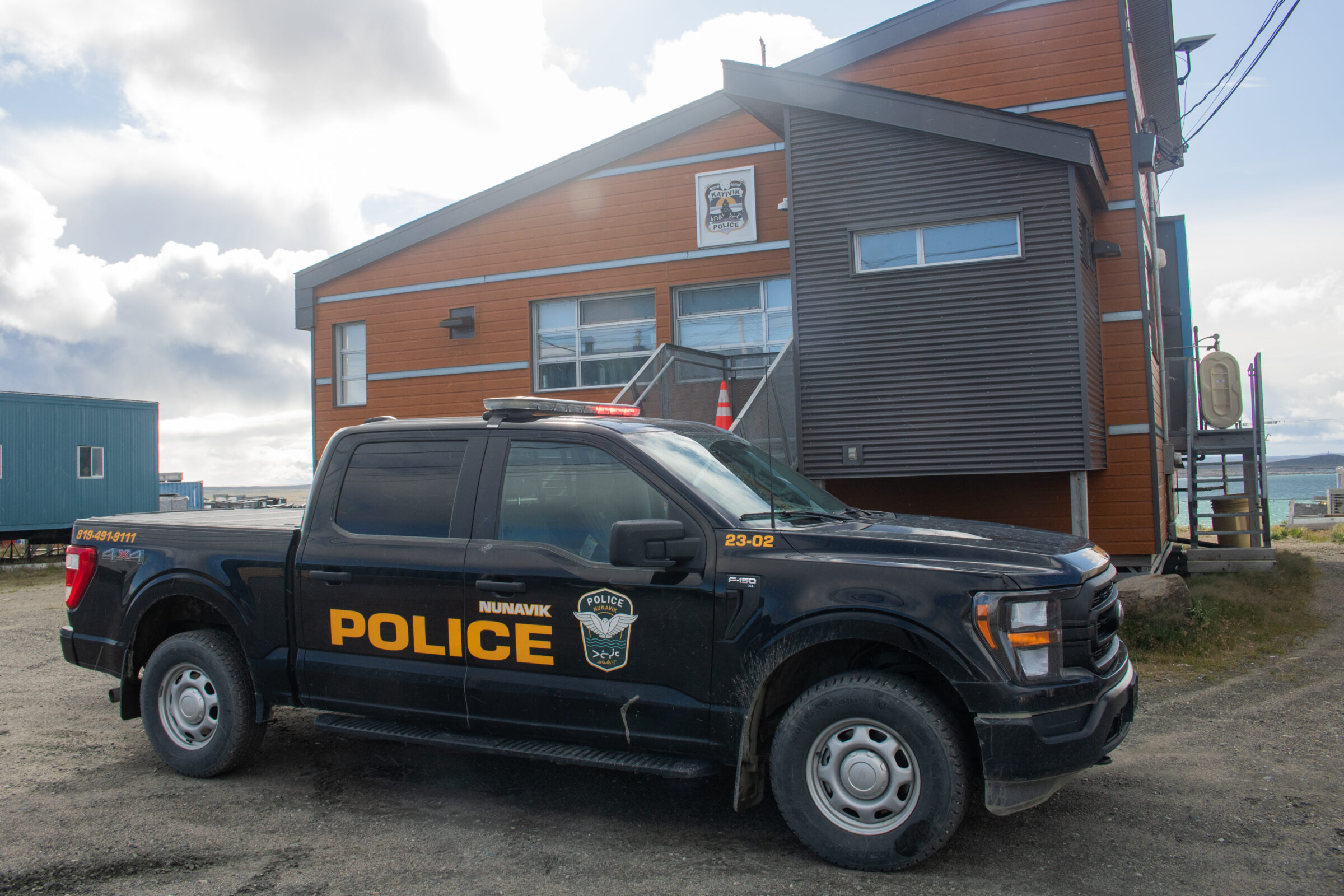
An audit report of the Nunavik Police Service recommends 35 reforms aimed at rebuilding trust, increasing Inuit representation and improving community policing initiatives. (File photo by Jeff Pelletier)

An audit of the Nunavik Police Service offers plenty of advice for improving policing in the region, but will the proposed changes be enough to make a difference? And can they be implemented fast enough to restore public trust and to prevent more shootings of Inuit by police officers?
It should make for an interesting discussion at the Kativik Regional Government’s upcoming council meeting, set for the week of May 25.
On Tuesday, Kativik Regional Government released a report it commissioned last year to review the Nunavik Police Service’s practices.
It includes calls to create an Inuit-led police-training program, to change Quebec’s Police Act and to give Inuit greater control over policing in the region.
They’re among the 35 recommendations included in the report Toward a Distinctly Inuit Public Safety System in Nunavik, aimed at rebuilding the public’s trust in policing.
That trust has been eroded in the past two years, the consequence of four deaths of Inuit civilians that occurred when police have fired their weapons.
Unfortunately, neither KRG nor Nunavik Police Service would speak to a Nunatsiaq News reporter the day the regional government released the report — or in the days since.

The stage is set for Nunavik Police Service Chief Jeff Bernier to address the report during the KRG’s upcoming, quarterly meeting.
In July 2025, after the third fatal shooting of an Inuk civilian by Nunavik police in eight months, KRG’s executive committee held an emergency meeting to discuss police operations and how to ensure communities feel safe. They decided to launch an audit.
A Nunatsiaq News editorial, published that same month, argued that policing in the region isn’t working the way it should. It can’t continue that way, and big changes are necessary.
Since then, another death occurred — in December 2025. A six-year-old girl died during an exchange of gunfire between police and her father.
One of the audit’s recommendations call for the provincial government to amend the Police Act to let KRG determine hiring standards for officers in Nunavik, which could affect education level, physical standards and medical requirements. Another calls for the creation of a list of “minor” offences that shouldn’t disqualify Inuit recruits from joining the force.
Unfortunately, with the Quebec legislature winding down before an October election, it seems unlikely there will be any immediate action.

Hopefully police reform in Nunavik will get some attention during the provincial election campaign. It must be considered one of the most important issues currently facing Nunavik.
By the time Bernier and KRG councillors sit down to talk about the audit at the upcoming meeting, nearly two weeks will have passed since its release. If they deem this audit’s recommendations as a solution to the erosion of public trust in police, they need to move quickly to start making changes. There’s no time to waste.
I had this on my laptop but tapped the wrong key key and it erased everything, so starting over and briefly… Indigenous police forces may be called upon, as YUL is a centre for Nunavik Inuit and as Mohawk reside in the area, a collaboration can be made in training. And as Inuit when working with non indigenous people tend to take the backseat that would not be the case in such a collaboration.
Of course the Nunavik Police must be changed but that’s far from enough since it’s the whole justice system that needs to be changed in Nunavik. Even if the police gets closer to the Inuit and is more Inuit led, that won’t change the fact that the court system is still so colonial with the flying court going to communities they don’t know and don’t even know the language! It’s so foreign that it’s unable to do a good work in the communities to reduce crime rates.
Crime is crime. Criminals are criminals. Facing the facts are not famous in Nunavik. What would a better justice system do to stop the police shootings. Police shootings are motivated and are policing crime in Nunavik that matches a call for that type of policing. Unfortunately. Dont look for answers outside of the community, when such horrific crimes are committed within.
The justice system in Nunavik, what can it do better? Probably like most services, it can improve. But seriously, list it out Tulugak, what do you see as doing better?
Should criminals get more time or less time in jail as a general consensus? Or answer this: does Nunavik have too much crime, especially with alcohol and behavioural issues? How is the justice system letting Nunavik down? Not strict enough or too strict ? What’s your suggestion to fixing it ?
In order to reduce the number of shootings of Inuit by police officers, how about reducing the number of lethal threats to police officers by citizens during high risk interventions?
It would help for sure I think.
All recommendations to be followed, hum? That’s considering if the leadership got it right in identifying the root cause of why there’s so much interventions by police , and for what reason? Otherwise follow all you want, it’s useless.
I think, as do many of us living out this mess, that the problem lies within the people, not the police.Theres a major denial issue with addressing the reality of so many people going crazy with a few drinks, in the atmosphere of mental illness. We can continue to talk about this over and over , as we been doing forever, but the real problem is a lack of insight and denial in a society destroyed by alcohol and drugs secondary to mental illness. What i read, is the target issue is once again missed and blindly blaming reactive policing as the problem. Bad. Very bad for Nunavik.
“It includes calls to create an Inuit-led police-training program, to change Quebec’s Police Act and to give Inuit greater control over policing in the region.”
What is the intent of the review and recommendations? Is it to increase decrease shootings? Is it to increase or decrease crime? Is it to increase or decrease well-being? What is the research and data supporting the recommendations?
I sit to meetings here and there, and have opportunity to observe the surroundings. I mean i try to really observe. I can’t help it, to say it as i see it. The problem is right in the board rooms. Its all around the room. It’s actually so obvious that it’s sickening. If you listen carefully you witness the problem in every speech and every suggestion in about 99.9 % of those speakers and suggestions. I dont know for sure, but maybe im part of the problem as well. I do introspection to consciously not be part of the problem, but being outnumbered is a common feeling in those settings. I mean almost everyone is agreeing with each other. There no debate. There at the same time, there no collaboration to find solutions. Almost no one is addressing alcohol and drug use as even a possibility of the motive to our crimes. Not too much emphasis on family values or children’s well being and education. Theres no incentive to see the future as our kids life. No plans to endorse that future. All im seeing is a rush to put a bandage on the issue and blame the mess on police , dyp and professional community. You dont hear much talk about people causing torment to the family and community. It’s like a dead meeting every time.
Most of us in Nunavik are not in meet discussions about issues that affect us. We for one reason or another don’t directly involve ourselves in that travelling group of people that meet to discuss. Me for one are disappointed with the results of that forever never ending discussion. For most of our lives we just go about living not really paying attention to that group of people that are constantly meeting. In reality, and thank god, we are at least protecting under the provincial and federal government with our rights and freedoms. No local made up board or group of greeting meets are able to touch our freedoms. Thats ok with me, and others that i interact with in daily life. Me and many are just disappointed with these organizations and committees and meetings that do nothing, but show case the problems in these meetings. I wouldn’t for the life of me vote for not one of them. And knowing also , the vote is a joke and matters none to our daily life.
So much blame is easily put on southerners that its made into a culture of scapegoating. Once started that mentality continues just like a gossip in the public domain without thinking for ones self. Just blame and move along until the next issue, then blame again. It’s like the only solution that we perceive is not realizing it’s blaming just to feel good, many times, if not most times, this is a problem within a problem and not realized.
We don’t own our problems in Nunavik too many times. Someone else is beating us up. Someone else is poisoning me. Im the victim, therefore i beed to put that out there. I drink and cause trouble as an adult, but its the kid in me thats been abused by a foreign system. Yet im an adult with sound judgement and rights to not answer to my behaviour. I had the right to get drunk and go berserk and even be mentally not responsible. Something not correct in that picture, dont you think, or are you immune from thinking, you can only blame and be not responsible?