

Nunavik’s new sex-education curriculum takes shape
Pilot program will test age-appropriate lessons before a potential rollout across the region
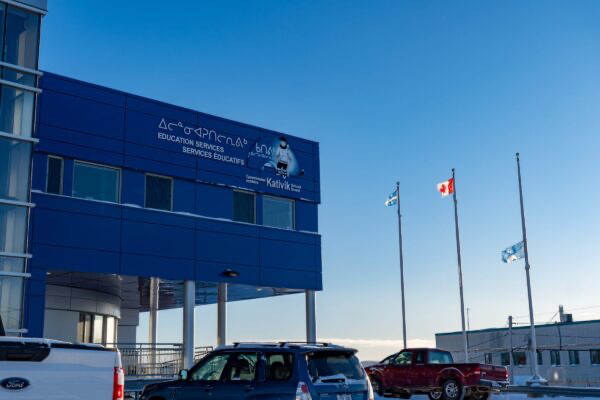
A new sex-education pilot program in Nunavik will test age-appropriate lessons before a potential rollout across the region. (File photo)
Nunavik’s sexuality education pilot project will initially cover four subjects, including healthy relationships, pregnancy, sexually transmitted infections and contraception.
Kativik Ilisarniliriniq — Nunavik’s school board — and the Nunavik Regional Board of Health and Social Services rolled out the curriculum this month in Kuujjuaq and Umiujaq.
The program is intended for students from kindergarten to Grade 11 (Secondary V), with lessons adapted to their ages and stages of development.
At a Nov. 4 parent information session in Kuujjuaq, school commissioner Eva Kauki-Gordon said age appropriateness had been her main concern but after reviewing the material, she was satisfied that lessons would differ between grade levels.
Kauki-Gordon said she hopes the program will help young people feel more comfortable discussing their bodies and sexual health.
Growing up, she said, sexuality and puberty were rarely discussed at home. She recalled finding it difficult to speak to her mother about getting her first period.
“I think this would help for them to be more open,” she said of students.

Five parents attended the Kuujjuaq information session. Kauki-Gordon encouraged more families to get involved in their children’s education.
“Be involved in the education that is being given,” she said. “You have [a] responsibility for your child.”
The health board developed the curriculum after consulting health-care professionals, parents, teachers and people of different ages across Nunavik.
Teaching materials or lesson plans won’t be released yet because the content may change based on findings from the pilot project.
“What is covered in kindergarten levels is very surface-level information, compared to other primary grades,” Andreas Schaffhauser-Carpentier, a media liaison with the health board, said in a written response to Nunatsiaq News.
Secondary students will also discuss topics that are more relevant to address after puberty.
The pilot project does not cover every subject planned for what will eventually become the full curriculum. Topics such as body image and a broader understanding of sexuality will be added later. The health board said the wider program will also address consent, bodily autonomy, personal boundaries and sexual abuse prevention.
The final curriculum will include a parental component with cue cards sent home after each module to explain what students learned and suggest ways families can discuss the subjects together.
“Our goal is to give students a range of options and objective information on sexual education,” Schaffhauser-Carpentier said.
The pilot runs next week at Kiluutaq School in Umiujaq, following sessions that were held in the first week of November at Jaanimmarik and Pitakallak schools in Kuujjuaq.
Feedback from the pilot will help the two organizations revise the curriculum before considering a wider rollout across the region’s schools.
(0) Comments