


Proposed federal lands act amendment could complicate devolution: premier
Change would let Ottawa restrict mineral rights on ‘national interest’ grounds
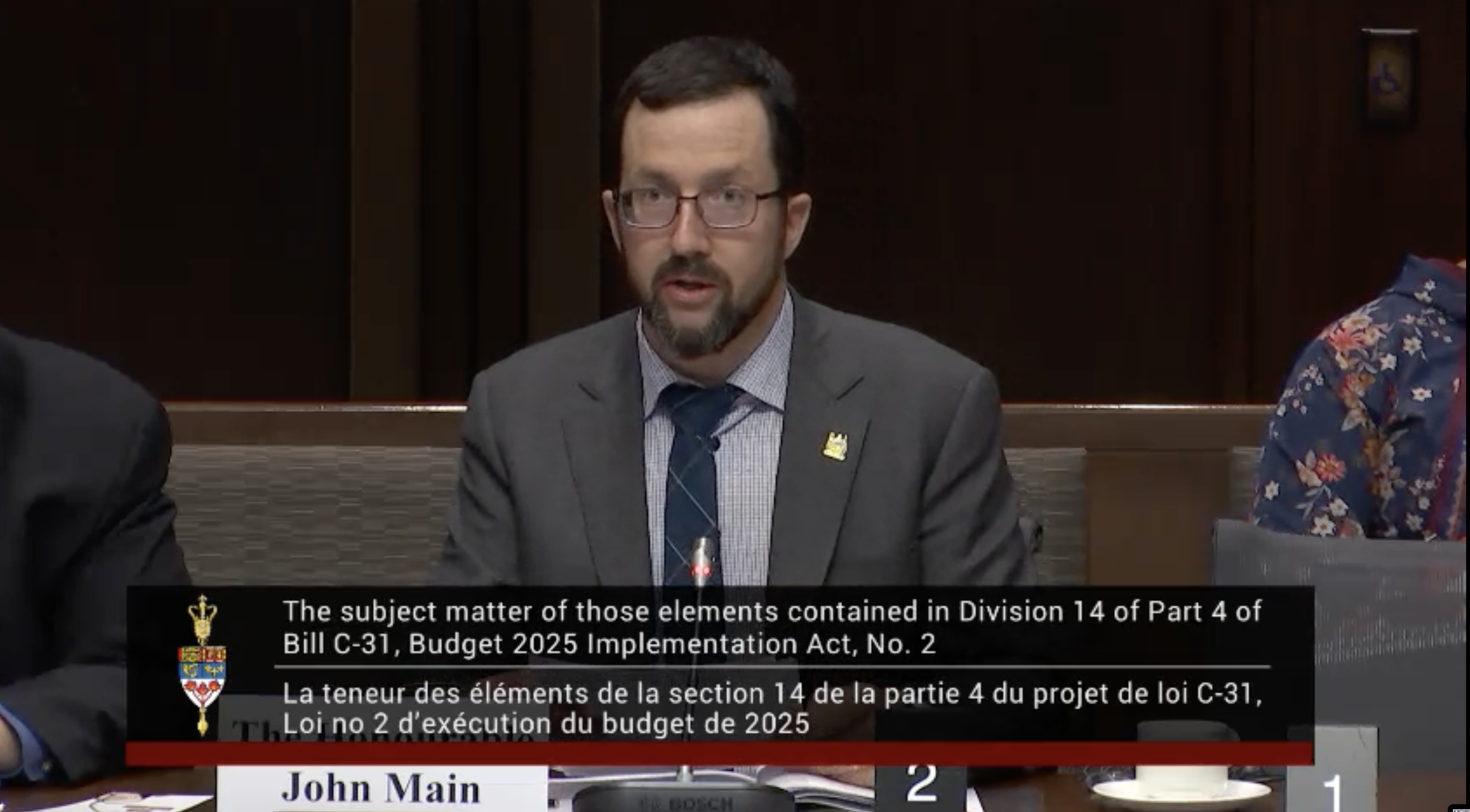
Nunavut Premier John Main speaks during a Senate Standing Committee on Indigenous Peoples meeting in Ottawa on Oct. 6. The hearing was about proposed amendments to the Territorial Lands Act under Bill C-31. (Photo courtesy of CPAC)

Ottawa’s tinkering with its Territorial Lands Act could throw a wrench in Nunavut’s devolution work, says Premier John Main.
He was speaking to a Senate Standing Committee on Indigenous Peoples Oct. 6 during a hearing about mineral rights in the territory.
Nunavut is preparing the legislative framework that will allow the territorial government to take control of a vast majority of its Crown land. To do so, it’s mirroring several federal acts, including the Territorial Lands Act, to finalize devolution, which is set to happen April 1, 2027.
The act governs use of Crown land in the Northwest Territories and Nunavut, including its sale or lease, mining rights and environmental regulations.
But the Territorial Lands Act could change as its being mirrored.
Working its way through Senate hearings is Bill C-31, which proposes amendments the act that would allow Canada’s federal cabinet, on the recommendation of the northern affairs minister, to cancel or restrict mineral rights on Crown land in Nunavut if it determines doing so is in the national interest.
“The timing of Bill C-31 creates a particular challenge,” said Main in his opening remarks to the committee.

“The Government of Nunavut cannot mirror federal provisions that have not yet been enacted.”
If Nunavut were to delay its work until the passage of Bill C-31, it would create a “significant risk” to the territory’s ability to ready itself for the April 1 devolution deadline, Main said.
The mirrored legislation in Nunavut, called the Public Lands Act, was tabled in draft form during the spring sitting of Nunavut legislature and is scheduled for formal introduction during the fall sitting, which is scheduled to start on Oct. 22.
Also discussed during the hearing was implications of foreign investment in Nunavut, including the potential sale of the Mary River iron mine on north Baffin Island.
Baffinland Iron Mines Corp. sought creditor protection in May. In June, a judge approved a $660-million loan from Export Development Canada so the Mary River Mine could remain operational through this year’s shipping season.
Nunavut Senator Nancy Karetak-Lindell raised concerns about potential foreign ownership of mining projects and infrastructure, including the Mary River mine, should it be put up for sale as part of the creditor protection process.

“It’s important for us to be open to investment from foreign interest,” Main said in response.
“If we restricted access in terms of mining or industrial development in Nunavut to only to Canadian companies, we would be seen as not a very attractive jurisdiction to invest in.”
That said, Main acknowledged the territory’s lack of infrastructure could leave the territory vulnerable to foreign interests.
“If there’s a vacuum there in terms of investment, it could look like an opportunity for foreign actors,” Main said.
While the court has approved a sale and investment solicitation process, no buyer has been selected and no sale approved, said Baffinland spokesperson Peter Akman in an email to Nunatsiaq News.

“It would be premature to speculate about potential bidders or transaction terms,” said.
At a Sept. 29 committee meeting on the same topic, Karetak-Lindell questioned the lack of a definition for “national interest” in the proposed changes to the lands act, and the potential for uncertainty this could cause as Nunavut prepares for devolution.
But the amendment won’t affect decision making over the land being transferred to Nunavut under devolution, said Georgina Lloyd, assistant deputy minister of northern affairs.
After devolution, the Territorial Lands Act will remain in place for the “small amount of Crown land that will still be under Canada’s jurisdiction,” she said.
Bill C-31 remains under consideration by the House of Commons Standing Committee on Finance.
“It’s important for us to be open to investment from foreign interest,” Main said in response.
Yeah the whole Baffinland Mine debacle is sure enticing to foreign investors. A group of ramshackle “land guardians” or what i believe are disgruntled ex-baffinland employees have really put a wrench in that.
How much more will the tax payers asked to fork out for