


Watch for avian flu as weather warms, Nunavut Health Department advises
Few cases so far in northern Canada but more could show up as birds migrate north
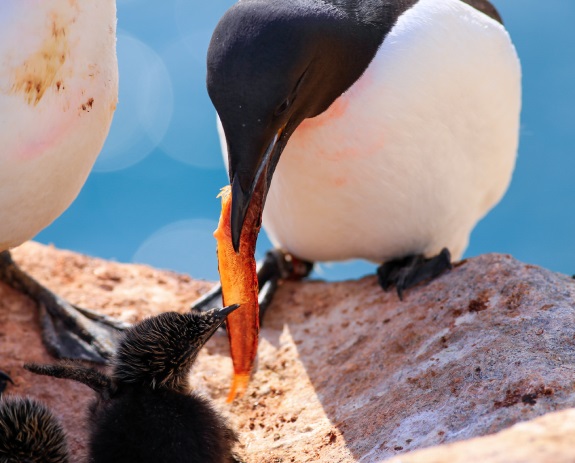
As birds migrate north for spring, the risk of avian flu infections will increase, the Department of Health warns. (File photo)
Nunavummuit should be on the lookout for signs of avian flu infection in birds during the summer months, warned the Health Department Thursday in a public health advisory.
There have been relatively few cases in northern Canada compared to southern provinces but more could appear as birds migrate north for the spring.
The Department of Health reported one case of avian flu last September in the territory, however no other cases have been reported since then.
Avian influenza is a highly contagious viral infection afflicting domestic poultry as well as wild birds such as ducks, geese, raptors, terns and shorebirds.
Signs that a bird may have avian influenza include:
- Appearing to act nervously;
- Trembling or lack of co-ordination;
- Swelling around the head, neck and eyes; and
- Diarrhea or sudden death.
Though the disease is highly contagious among birds, the risk to humans is considered low, according to the Health Department.
To date there is no evidence avian flu can be transmitted to humans via fully cooked game birds, poultry or eggs.

Avian flu infections in humans are usually caused by close or prolonged contact with infected live or dead poultry on with environments that are contaminated.
Because many Nunavummiut engage in wild bird and egg harvesting, the advisory says people should take precautions by wearing gloves, and washing their hands with soap and warm water, and cleaning soiled clothes and equipment.
Anyone who notices unusual illness or death in birds should contact the local conservation office. Anyone feeling ill after handling a bird should get in touch with the local health centre.
(0) Comments