


Why were elders evicted from Tusaajiapik elders’ home?
Contradictory information swirls around the building, which is set to become temporary shelter
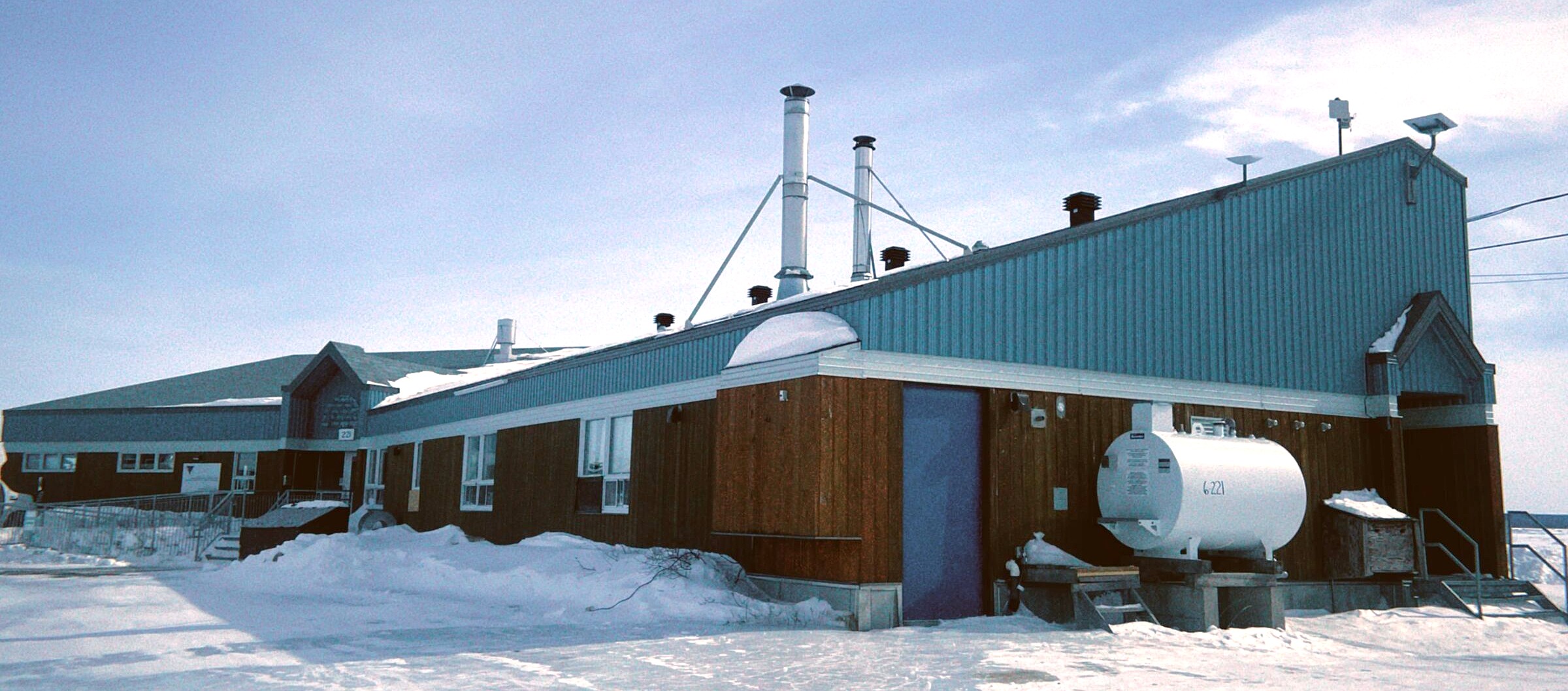
Kuujjuaq’s former Tusaajiapik elders’ home is being repurposed as a temporary homeless shelter for one year. Last month, its residents were relocated due to technical issues with the building. (File photo by Dominique Gené)

What’s going on at Kuujjuaq’s former elders’ home?
Health officials have been maddeningly vague about the building, which, until earlier this month, housed seniors and other residents in need of long-term care.
The heat may or may not be working. The sprinkler system also apparently does not work, which may or may not be a regulatory issue. Whatever is going on, there are numerous issues with the building, dealing with its “major technical components.”
These issues cannot be addressed quickly enough for the elders to stay, said a representative with the health board this week in an email.
But apparently the building will be fine for use by the village’s homeless population as early as Nov. 5.
Just weeks after health officials moved elders out of Tusaajiapik elders’ home to a facility near Montreal, Nunatsiaq News found out that the building would become a temporary homeless shelter as part of a one-year deal.
Kuujjuaq’s homeless population is in dire need of shelter as winter sets in, Deputy Mayor Claude Gadbois said in an interview earlier this week, as the community’s former shelter had to close in September due to mould and other critical issues.

On any given night, he said, 25 of the village’s 2,600 residents need a shelter bed.
So that leaves us wondering: Is this why the elders had to move out when they did?
The information that’s out there creates the perception that health officials evicted elders and long-term care residents from their home and gave it to the community’s homeless population.
If heat is an issue, one would think the building is inappropriate as a living space, full stop. Officials have also pointed to changes to the provincial regulatory code that make it mandatory for elders’ residences to have working sprinkler systems, which the building lacks. But those new regulations don’t go into effect until December 2027.
To be clear, everybody deserves a roof over their head.
The situation in Kuujjuaq appears to point to a more insidious issue: infrastructure problems have gone unaddressed for so long that there is not enough space to accommodate both vulnerable groups of elders and those experiencing homelessness.

Gadbois explained that a Quebec Housing Corp. proposal for a nine-bed facility fell through four years ago because the village said it needed more than double that number of beds.
What is happening on the provincial level that allows these projects to stall because the needs on the ground are bigger than first thought?
Officials with Nunavik’s health board and Ungava Tulattavik Health Center made the call to move the elders. Despite numerous requests for interviews and more information since problems with the former elders’ home first came to light in April, Nunatsiaq News has not been granted a single interview with the health board as of press time for this editorial.
The newspaper was granted an interview, last week, with the health centre.
Late this week the health board sent a short statement clarifying that the building is appropriate for residents who are “mobile” and that the heat is getting fixed. Nobody was made available to clarify why local leaders claim the heat does actually work or why the elders moved a year before the new sprinkler requirements come into effect.

However these decisions were made, it’s no doubt a sensitive issue. But a willingness to openly talk about it is necessary, because leaving the public on their own to parse contradictory information only makes matters worse.
(0) Comments