

Health Canada honours veteran Nunavut nurse
Flo Wood reflects on a 40-year career, including 13 years in Pond Inlet
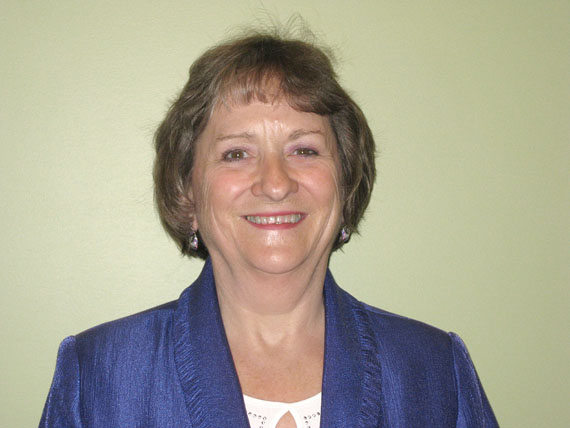
Retired nurse Flo Wood, who Health Canada honoured this week with Excellence in Nursing Award: “As a nurse in the North, there’s a greater sense of responsibility which I found much more rewarding.” (PHOTO COURTESY OF FLORENCE WOOD)
Looking back on a 40-year career in nursing, Florence Wood, or Flo as her patients know her, says her time in Nunavut began with a familiar script.
“When I first got to Pond in 2002 I thought, ‘wow, this is a beautiful place to live.’ And like everybody who comes north, I had a one- to three-year plan, which turned into a five-year plan. And then I just stopped counting,” said Flo, who retired this past February from her Pond Inlet post after 13 years in the north Baffin community.
Flo, who we reached by phone May 11 at her home in Charlottetown, P.E.I., received the national Excellence in Nursing Award from Health Canada in Ottawa May 9 — a fitting tribute during the annual National Nursing Week, which runs May 9 to May 15.
The award recognizes “tremendous commitment and dedication” by nurses working in First Nations or Inuit communities who make “a positive difference in the lives of Indigenous people,” a May 9 release from Health Canada said.
“The ceremony was totally amazing. And the award meant a lot because I was nominated by my peers from work, and supported by a petition from community members,” said Flo, who took her sister along to the ceremony, which about 50 people attended.
Flo said she fell in love with the people of Pond Inlet shortly after arriving in 2002.
“What sticks out is the friendliness of the people, how I was made to feel part of the community — going to feasts, dances and games — it was so much fun.”
And among the memorable people she met, elders especially stand out in Flo’s mind.
For example, the elders who Flo and other nurses accompanied on a day trip a few years ago, which turned into an overnight trip when strong winds made the return boat ride dangerous.
That delay gave Flo an opportunity to watch elders make bannock and to hear them tell stories and talk about plants used by their ancestors for medical purposes.
“And I just love the way elders laugh over nothing; they know how to have plain simple fun. I loved watching them play Christmas games. There’s a lot to learn just watching elders have fun together.”
Having arrived in Pond Inlet with nursing experience in P.E.I., Nova Scotia and Newfoundland, Flo developed an expertise in delivering babies.

“Not that I felt comfortable delivering babies, but I was the most experienced at it, so I did deliver many babies,” she said, estimating she delivered about 20 Pond Inlet babies over the 13 years she spent there.
Of course, nurses in Nunavut communities, who are expected to practice an extended scope, also see and experience tragedy and grief.
“One situation I’ll never forget is the tent fire that happened last summer. I was the first responder to the scene, in a helicopter,” she said.
That fire devastated the community when it took the lives of four people: a young father and three of his children.
Flo said she and other nurses worked for 30 hours straight and, despite the community’s loss, the nurses marvelled at how the community came together to support the family and health centre staff.

That experience required Flo to muster all that she could as a nurse and a person.
“You tell people you’re a nurse, but you’re so much more. On any day, you could be doing community outreach, emergency planning or organizing family viewings like a funeral director. You couldn’t write a job description — you just see what needs to be done.”
But it was that extended scope of practice and pushing her boundaries of comfort that drew Flo north in the first place.
“As a nurse in the North, there’s a greater sense of responsibility which I found much more rewarding, because you can initiate the quality of care and see it through to the end and know that you made an impact,” Flo said.
Working in Nunavut can also be frustrating because the government often moves slowly, she said.
And, speaking like a nurse even after retirement, Flo urged parents to listen to those basic health messages which can have a big impact on their lives.
Tooth decay in children and diabetes in adults, for example, have both increased significantly in Pond Inlet since Flo arrived in 2002. These can largely be prevented through lifestyle choices, she said.
“If parents don’t buy into it, prevention won’t happen,” said Flo.
But Flo’s time in Pond Inlet was about much more than just her job.
“It’s not just about the job. It’s about the people, the culture, the land. Get a skidoo, or an ATV, get outside and do things. I went fishing all the time, and got a smoker. Everyone was coming to my door looking for smoked fish,” Flo said.
And the retired nurse said she would “certainly recommend” a nursing career in Nunavut but not to the faint-of-heart.
“I’d recommend nursing in Nunavut to anyone who has a sense of adventure and who wants to make a difference in their career,” she said.
(0) Comments