

Nunavut loses over half its booze sales to the South, annual report says
Many customers find it easier to order from the South
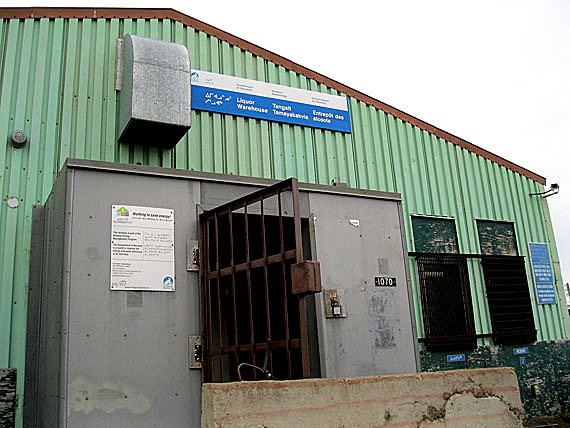
The grim, battered exterior of Iqaluit’s liquor warehouse, where over-the-counter retail sales ended in 1975. The outlet is used now to supply wholesale liquor to restaurants and hotels and for retail orders made by consumers in communities outside Iqaluit. (FILE PHOTO)
Nunavummiut bought slightly more booze than they did last year from their territorial liquor outlet, resulting in a modest sales increase for Nunavut’s Liquor Commission, according to its 2014-15 annual report.
But that isn’t enough to put a cork in a massive drain of customers to southern vendors.
Nunavut’s Liquor Commission recorded more than $5.8 million in gross alcohol sales, an increase of $123,000 from 2013-14.
That translates to a revenue increase for the commission of only $69,000 — a one per cent rise from the last fiscal year.
To make matters worse, the commission is estimating that more than $3 million in gross liquor sales were lost to imported booze from southern markets.
For 2014-15, that accounts for 52 per cent of the commission’s overall gross sales.
Since taking over responsibilities from the Government of the Northwest Territories in 2004, the commission has been operating as the sole provider of alcohol in the territory under the Nunavut Liquor Act.
All alcohol products are distributed from two warehouses located in Iqaluit and Rankin Inlet.
And because all liquor shipments in the territory rely on freight, Nunavummiut face additional costs not commonly experienced in the rest of Canada.
Spirits, for example, get a $26.11 markup from the commission.
Many liquor consumers, especially in the Kivalliq region, are taking advantage of cheaper prices down south.
Customer sales in Rankin Inlet are down 76 per cent from where they were in 2011.

Many consumers in the Kivalliq hub community, said the commission’s recent report, are claiming it’s cheaper to bring liquor up from Churchill, Man., than to order it from Iqaluit.
The commission expects this trend to continue unless it can improve service and convenience to attract customers back to the Nunavut distributor.
Iqaluit, on the other hand, is purchasing the greatest amount of alcohol through the Nunavut’s Liquor Commission and this is expected to continue.
In April, a non-binding plebiscite was held in Iqaluit where 77 per cent of voters said they were in favor of opening of a beer and wine store in the city.
But according to the commission’s report, a final decision on a pilot beer and wine store has yet to be made.
Iqaluit-Tasiluk MLA George Hickes asked Keith Peterson, the minister responsible for the Nunavut Liquor Commission, to explain the delays in the pilot project during the recent fall sitting of Nunavut’s legislature Oct. 23.
“A beer and wine store pilot project is a bit of a sensitive issue for the City of Iqaluit and I appreciate that,” said Peterson.
“We have decided that before we proceed, we would work with some of our fellow departments so that they would be given time to put programs and policies in place.”
Peterson added that the government recognizes and respects the decision of the voters.
(0) Comments