

Culturally designed video game for Inuit youths enters testing phase
Inuit aged 12 to 24 can test Virtual Qaggiq, an Inuit-designed fantasy mobile game
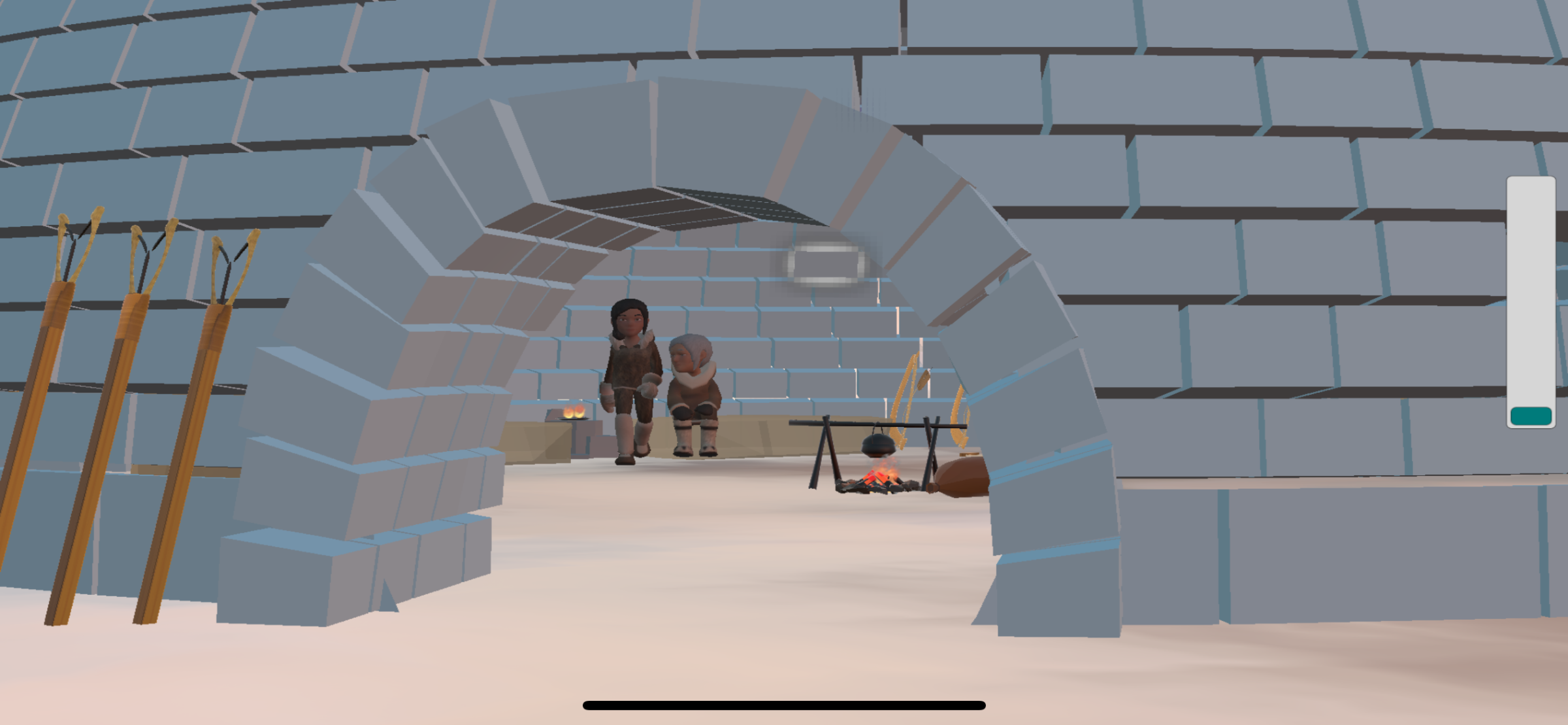
A screenshot from the “Virtual Qaggiq” shows a player inside a digital qaggiq, or traditional Inuit meeting place. Players navigate quests that teach cultural skills while learning strategies for mental wellness. The game, developed over two years is now open for testing for Inuit youths aged 12 to 24. (Photos courtesy of Virtual Qaggiq project)

When players load Virtual Qaggiq — billed as the first Inuit-designed mobile video game — they step into an Inuit community as a virtual character.
Guided by a watchful raven, or Tulugaq, and led by experts, they take on quests that teach them traditional skills like fishing, hunting across the tundra, berry-picking or collecting ice water.
The virtual journey is full of choices: when a polar bear raids the community food store, players decide whether to befriend it or help hunters kill it, shaping the story and their character’s path.
Inuit aged 12 to 24 can now test the game by signing up on the Virtual Qaggiq website.
Reuben Qaunaq, the game’s researcher and cultural adviser from Arctic Bay, hopes “young people can learn basic skills to live a happy, healthier life through the game, because it is very difficult living up here and having something [of value to us] is very impactful to our community.”
Sixty people from Nunavut, Nunavik and other parts of Canada contributed to development of Virtual Qaggiq. Week-long workshops to test the game were held in several communities including Arctic Bay, Kugaaruk and Pangnirtung, with more planned.
Alaina Thomas, a graduate student from York University who assisted in the game’s development, said workshops combined surveys, sharing circles, and one-on-one conversations to collect feedback.
Testing continues until March when researchers will share their findings with community members.
“We are hoping that we will find that the game is helpful, and we want to make sure that the game does no harm,” said project co-ordinator Yogita Singh.
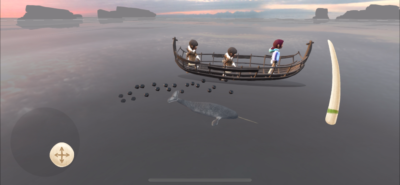
A screenshot from the Virtual Qaggiq game shows a player participating in a narwhal hunting quest, guided by an experienced community hunter. (Photos courtesy of Virtual Qaggiq project)
It includes a cultural library players can access in the qaggiq, or traditional meeting space within the game, featuring 12 interviews with elders from Arctic Bay, Kinngait, Baker Lake and Pangnirtung.
“In these interviews, I was able to listen to and talk to elders about more than the IQ [Inuit Qaujimajatuqangit] principles because these lived experiences are something really valuable that the future generations won’t see,” Qaunaq said.
The game is available in English and Inuktitut, with syllabics and Roman orthography. Singh said it works on iPhone and Android devices and can be played offline.

Players navigate seven levels in the game addressing mental wellness challenges such as hopelessness and depression, substance use, bullying, breakups, and self-doubt.
They learn mental health strategies through the quests, Singh said.
Because these topics can be triggering or retraumatizing, the Virtual Qaggiq team built safeguards into the game.
The website where the game is hosted has mental health resources, including Nunavut-wide and Canada-wide hotlines, said Thomas, adding that those resources are also built into the game itself.
Singh said youths must sign consent forms before playing, including disclaimers and directions to available resources. Facilitators are present during workshops to provide support, and virtual participants can reach out for guidance.

Early on, Qaunaq held sharing circles with elders, community members and parents to address concerns about the impact of the game on young people.
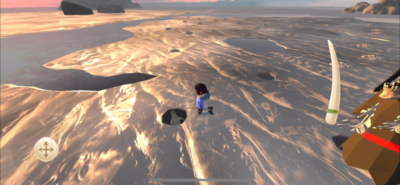
A screenshot from the “Virtual Qaggiq” game shows a player learning to hunt seals at a breathing hole. (Photos courtesy of “Virtual Qaggiq” project)
“The reaction after our first workshop from parents was tremendous,” he said.
“Some mentioned that there are mental health resources [in the game] that we don’t often see. It does have a tremendous impact on our community, in a good way, so we need to take that very seriously.”
The Virtual Qaggiq Project is funded by the Canadian Institutes of Health Research, which awarded $1.7 million over four years in 2022.
“This project has led me to my career in risk-reduction, resilience and youth engagement today,” Qaunaq said.
“I get to do this full time, bringing resources to my community, and actually being able to create one is a huge achievement to young people in my community.”
(0) Comments