


Family, convincing and true Inuit homeland: Jack Anawak takes Proust Questionnaire
Longtime Nunavut politician is retired from public office
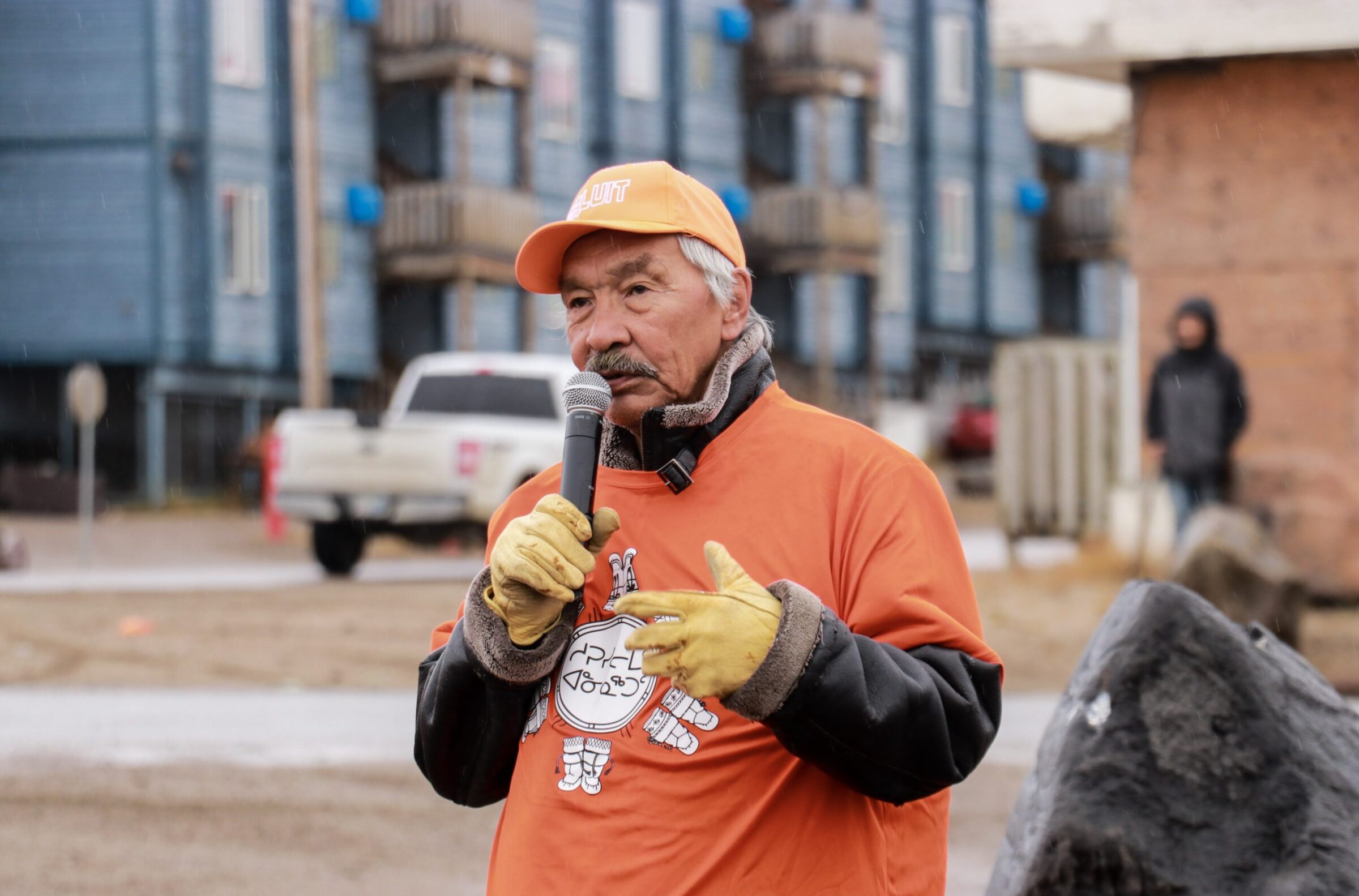
Jack Anawak, a former politician and lifelong advocate for Inuit mental health, answers the Proust Questionnaire. (File photo)

Jack Anawak had a busy career.
The former member of Parliament helped negotiate the Nunavut Agreement, which created the territory. Then he served as interim commissioner of Nunavut for two years while preparing for its division from the Northwest Territories.
Favoured — but ultimately defeated — in a bid to become the newly created territory’s first premier, Anawak served one term as MLA.
Oh, and he was also Canada’s Arctic ambassador from 2004 to 2006.
Now retired from politics, Anawak embraced another role — being an advocate for reconciliation, Inuit mental health and well-being.
He recently took time to answer the Proust Questionnaire.
What is your idea of perfect happiness?

Being surrounded by people you love and with people who love you.
All the other things are sort of secondary to that.
What is your greatest fear?
Losing somebody you dearly love. Your family.
It’s very personal to me.
Is there something in yourself that you most dislike?

People have become too judgmental about people who are going through hard times, because of impacts of trauma and having problems with alcohol or drugs or other anger management … People are too judgmental about those people that they should be caring for.
[Anawak himself has faced crisis. An impaired driving charge forced him to resign from Iqaluit city council in 2023.]
I’m at the point where I’m very non-judgmental, which is really an Inuit way of life, where if somebody is going through a hard time, you ask to see how you can help — instead of judging them.
What is your greatest achievement?
Family. Loving family.

My greatest achievement is being with my dear wife, who passed away four years ago.
We were together for 45 years, raised children.
Having children and grandchildren — having those children and grandchildren loving you, that’s it.
Which talent would you most like to have that you don’t already have?
Convincing. I would love to be able to convince people out there that mental health of Inuit should be a greater priority.
Your trauma never leaves you, and it would be wonderful to convince more Inuit, more leadership to focus on mental health of Nunavut so that we can get back to having Nunavut as it was meant to be. A true Nunavut.
The only reason Nunavut exists is because of Inuit, and right now we are not reaching the levels of achievements that should be achieved by Inuit because of mental health.
What is your greatest regret?
My greatest regret is similar to other former residential school survivors.
We — who later became leaders — did not do enough in terms of acknowledging that there were abuses at residential schools and that a lot of the students went through physical, sexual, emotional and spiritual abuse.
We did not do enough for them. We lost a lot of them to risky behaviour, to addiction and to trauma.
We tried, but we just did not do enough to make Nunavut better in dealing with its traumas; to make Nunavut a better reality of Inuit’s homeland.
Once in front of God, what would you tell him?
Well, first of all, I’m not very religious. I believe in more spirituality than religion.
I would want Nunavut to become a true Inuit homeland.
Nunatsiaq News is borrowing the old Proust Questionnaire parlour game to get to know people who are in the news. If you know someone in your community who our readers should get to know by taking this questionnaire, let us know by email: editors@nunatsiaq.com.
(0) Comments