


Iqaluit hydroelectric project proponent makes pitch for ‘modern Arctic capital’
Project aims to replace all of Iqaluit’s diesel-generated electricity
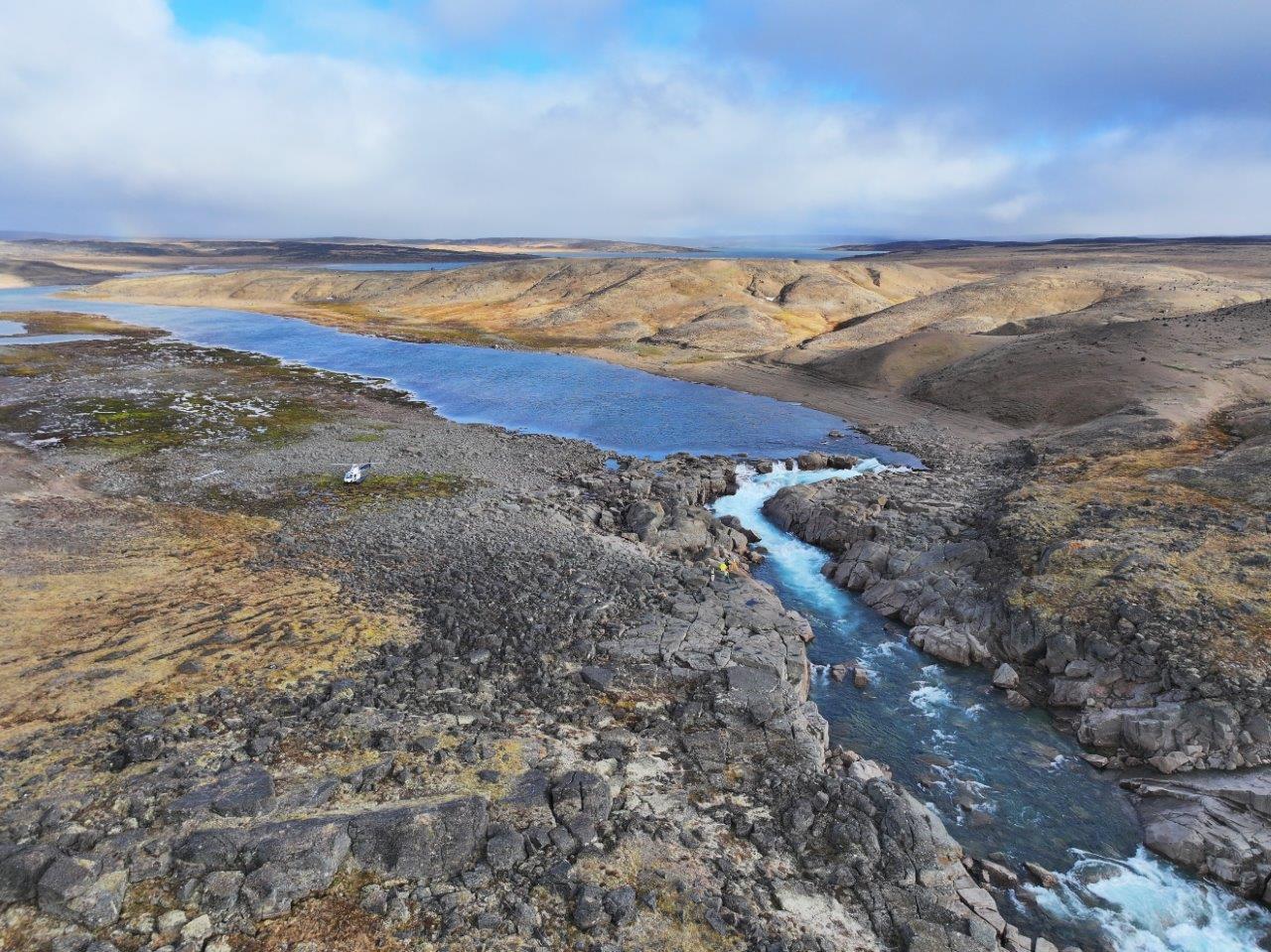
A proposed hydroelectric project with a 50-metre-high dam and powerhouse would be built along the Kuugaluk River, about 60 kilometres northeast of Iqaluit. (Photo courtesy of Nunavut Nukkiksautiit Corp.)

Investments in renewable energy will support Canada’s Arctic sovereignty and help make Iqaluit a “modern Arctic capital,” says the proponent of the planned Iqaluit hydroelectric plant.

Heather Shilton, executive director of Nunavut Nukkiksautiit Corp. which is leading the Iqaluit hydroelectricity project, says renewable energy will help make the city a “modern Arctic capital.” (Photo by Arty Sarkisian)
“We have vision,” said Heather Shilton, executive director of Nunavut Nukkiksautiit Corp., the company leading the project.
“We want to be using the fuel that we have in the territory to generate clean electricity and having ownership of those assets.”
The alternative is to continue using diesel fuel imported from the south to generate electricity, which harms the environment, produces few local jobs and makes Nunavut over-reliant on the southern market, Shilton said at the annual general meeting of Travel Nunavut at the Aqsarniit hotel in Iqaluit Thursday.
“That represents foreign dependence and vulnerability in a strategically vital region,” she said. “We don’t think that that’s reflective of security or Arctic sovereignty.”
The company’s biggest proposed project is to build a hydroelectric power plant along the Kuugaluk River, about 60 kilometres northeast of Iqaluit. It would replace all of the city’s diesel-generated electricity, which requires burning about 15 million litres of diesel a year.
The plant has been identified as one of the four “nation-building” projects, according to Nunavut Tunngavik Inc. and the Nunavut government.
It would include an approximately 50-metre-high dam and a powerhouse and could be operational by 2033 generating 15 megawatts for about 100 years.
Nunavut Nukkiksautiit Corp. inherited the project from Qulliq Energy Corp. in 2022.
In 2017, its cost was estimated to be “approaching $500 million,” Johnny Mike, then-minister for QEC, told the legislative assembly.
The current price tag is yet to be estimated, Shilton said.
The federal government is expected to be the project’s main funder and has already allocated $26 million for studies.
Nunavut Nukkiksautiit Corp. is also working to receive a loan from the Canada Infrastructure Bank, a Crown corporation that awards loans to Canadian revenue-generating infrastructure projects that are in the public interest.
The bank has already given the corporation a $6.7 million loan for a Sanikiluaq wind turbine.
The Iqaluit hydroelectric plant is one of Nukkiksautiit’s 11 projects, including the Sanikiluaq turbine that’s set to be operational by fall 2026, a wind and solar project in Kinngait, and installations of solar panels on the roof of the Aqsarniit hotel.
This project would be “clean” for people in Iqaluit, but not for the people of Pangnirtung. Will it be subject to a full review by NIRB? If NTI and QIA already support the project, how much will NIRB listen to the concerns of people in Pang?
Qec has been talking about this for over 20 years talk talk talk,burn burn burn fossil fuels.
“The current price tag is yet to be estimated, Shilton said.”
So after all this hype we still don’t know how much it will cost nor why we need to privatize power production when we already “own” our public utility, Qulliq.
No one has mentioned how this will lower power costs and thus the cost of living or running a business in Iqaluit. Has an Inuit shell company ever lowered the cost of anything?
No mention of the potential impacts of ever decreasing rainfall in the region nor the potential for scalability – or the lack thereof to meet fast increasing power demands of new technologies.
No mention of the possible environmental impacts.
All we are ever fed is a hype train.
I sincerely hope the Feds give this project – and the other three – the full scrutiny they deserve before committing any further funding. No one owes a bunch of consultants and an Inuit shell company billions of dollars without proper due diligence and ensuring we get the infrastructure we need to meet the future with confidence.
It would be nice if Nunatsiaq could go a little deeper than the press releases and warm and fuzzy buzz phrases. There are serious questions that require answers for the sake of northerners but also the southern tax payers who will be paying for it.