


‘We lost about everything’: Ottawa should apologize for forced relocation, elder says
Lisa Iqqalik and her family once lived in Padloping until they federal government forced them and others to leave
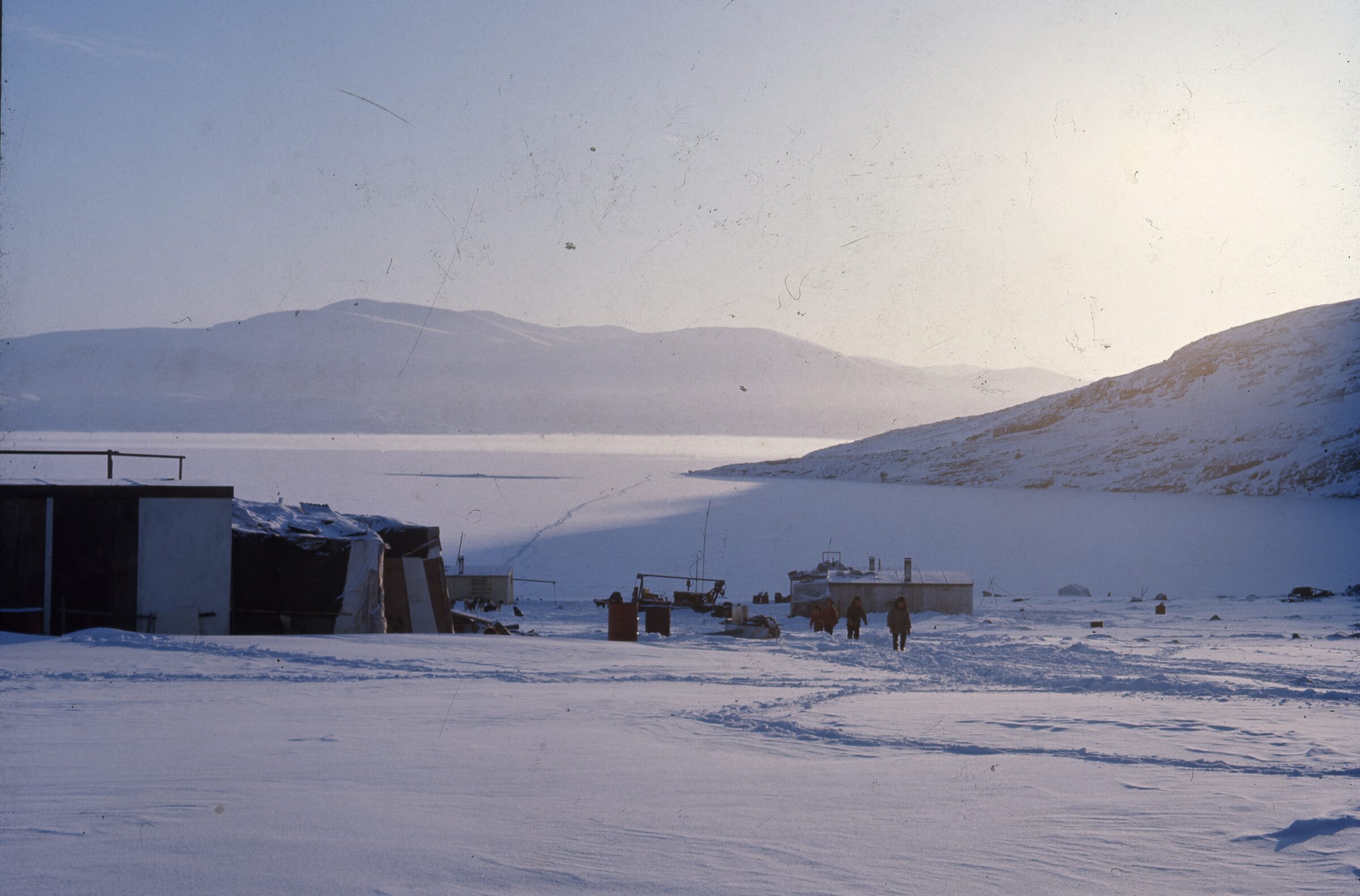
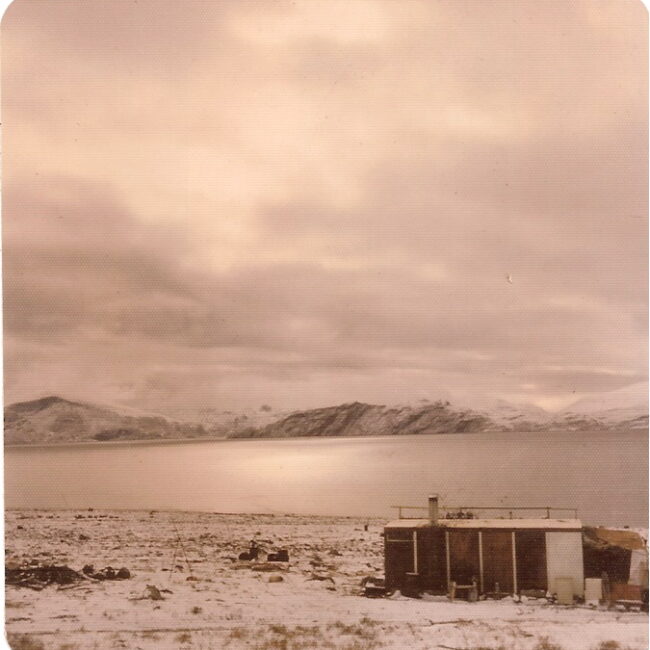
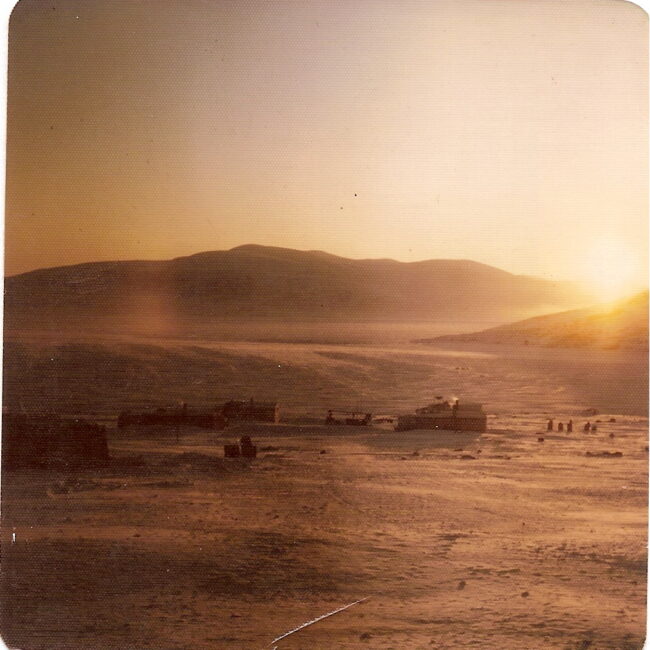
The former community of Padloping, photographed from the steps of its school in 1967, before the community was shut down in 1968. (Photo courtesy of Kenn Harper)

When 14-year-old Lisa Iqqalik was taking the long-awaited 11-hour flight home from school in Churchill, Man., in 1966, she couldn’t have imagined her home was gone.
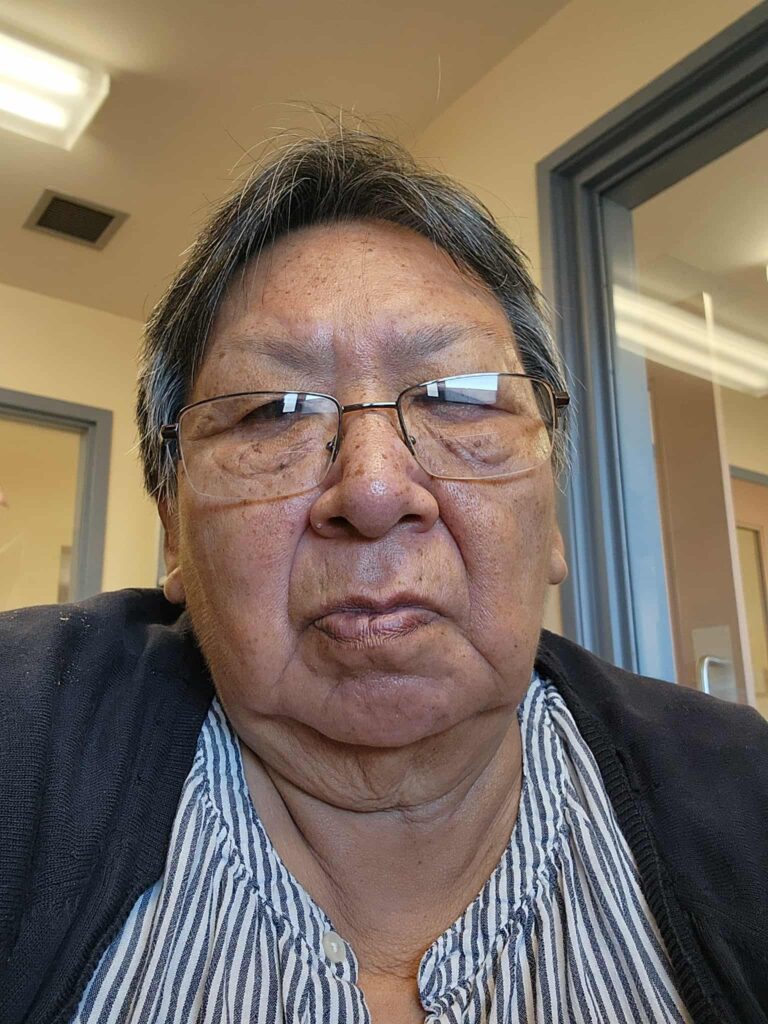
Lisa Iqqalik says the federal government should recognize the harm caused by the Padloping relocation of 1968. (Photo courtesy of Lisa Iqqalik)
In the year she’d been away at residential school, she wasn’t able to talk to or write to her parents. She didn’t know they had been relocated from their home in the tiny community of Padloping to Qikiqtarjuaq (formerly Broughton Island), about 70 kilometres the the southeast.
So instead of the “homey and comfortable” house where she had her own bed, Iqqalik spent the summer with a sleeping bag in a tiny “matchbox” house in Qikiqtarjuaq.
“My mom couldn’t even bring her sewing machine,” recalled Iqqalik, now 72 and still living in Qikiqtarjuag.
“We lost about everything.”
In the past two decades, the federal government has issued multiple apologies for mistreatment of Inuit over the years, including February this year when Gary Anandasangaree, northern affairs minister at the time, apologized for people’s forced relocation to Dundas Harbour 80 years ago.

In 2024, Anandasangaree also apologized for the “unjustified killing” of sled dogs in Nunavik. In 2010, the government apologized for the High Arctic relocation. And in 2008, prime minister Stephen Harper apologized for the Indian residential school system.
As a survivor of three years of residential school, Iqqalik was among those who received an apology letter signed by the prime minister.
“The government recognizes that the absence of an apology has been an impediment to healing and reconciliation,” the letter reads in English and French but not Inuktitut.
“Very qallunaat,” or not Inuit, Iqqalik said of the letter’s language, though she agreed with the sentiment.
She said the government needs to issue another apology — long overdue — for taking away her home in a “forgotten” relocation.
Padloping, or Paallavvik as Inuit call it, has been a traditional camp for centuries. As early as the 1830s, Scottish whaling ships visited and traded with Inuit, according to research by Arctic historian Kenn Harper, who was a teacher there before it was shut down.

In 1941, the U.S. air force built a weather station on the island, called Crystal III.
After the end of the Second World War, in 1946, the Americans abandoned the station which was later taken over by the Royal Canadian Navy, then abandoned again in 1956.
In the meantime, the community around the station grew and a school, church and nine or 10 “slanted little houses” were built, Iqqalik recalls.
There were just under 40 people. Iqqalik played with her friends and fished on the two metal barges the community had.
“That was my home. That’s where I was a child,” she said.
Soon after the station closed for good, the federal government began “encouraging” Inuit to move to Qikiqtarjuaq, according to the Qikiqtani Truth Commission’s community histories report.
For example, laws around dog ownership were tightened. Many dogs were shot by the RCMP.
Iqqalik remembers that, saying her dad came home one day after a trip to Qikiqtarjuaq and saw that all of his dogs were gone. He never learned what happened.
Eventually, the government terminated all services to the community in 1968 and relocated the seven families to Qikiqtarjuaq.
Many Inuit brought only the belongings they could carry, leaving the rest behind believing they could return later to pick them up.
After they left, though, most homes were bulldozed and the belongings buried, according to the commission’s report.
Iqqalik didn’t see that, because she was in residential school and her parents relocated before the camp was shut down. But like other Padloping kids, she felt “singled out” once she returned to Qikiqtarjuaq.
“A lot of times, our peers, adults were unhappy with the way we were. They used to ridicule us,” Tina Alookie, another elder who had been relocated, told the commission.
“That hurt us the most. The way we were teased.”
There are only a few surviving people who were relocated from Padloping, but many remain “haunted” by what happened more than a half-century ago, said hamlet SAO Geela Kooneeliusie.
Iqqalik calls it being “homesick.”
“You know that longing from deep within? It comes. It still does even today,” she said.
Iqqalik has visited the site of her former home many times. It’s completely cleared out — even the metal barges are gone.
“It’s not the place I once called home anymore. There is nothing — almost as if nobody has ever lived there,” she said.
An apology from the federal government can’t fix what’s been done, but it would “recognize” that what happened to her and her community was wrong.
“It really messed up a lot of lives,” she said. “It’s not acceptable. Not today and not yesterday.”
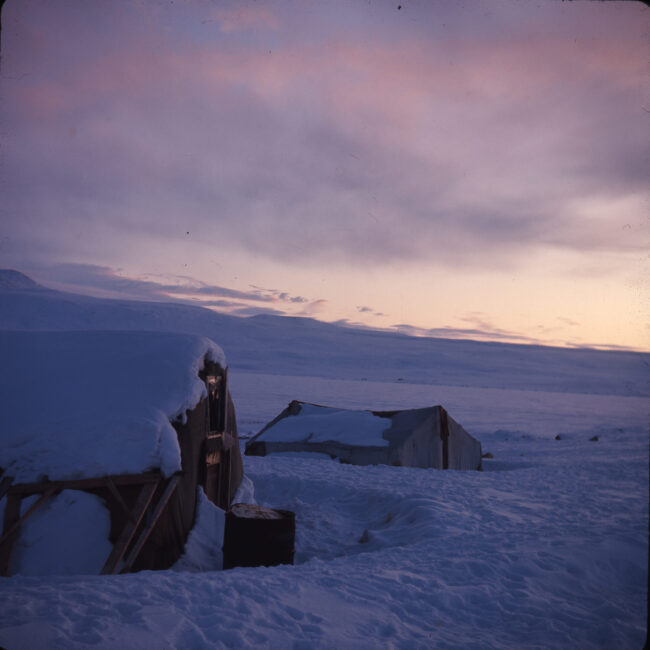 Padloping photographed in 1967, before the community was shut down in 1968. (Photo courtesy of Kenn Harper)
I think former PM Stephen Harper already did that.
Even the Pope apologized already.
“Next!!”👿
They apologized for the Indian Residential School system, not about the forced relocation of many Inuit families. Completely different topic.
Didn’t Trudeau jr apologize for the relocations?
It’s getting hard to keep track of all the performative apologizing these days.
That could’ve been for the dog teams.
Losing track too.
He apologized to David Serkoak of ennadai lake and his group and received huge compensation to original elders who are still alive when this happens.