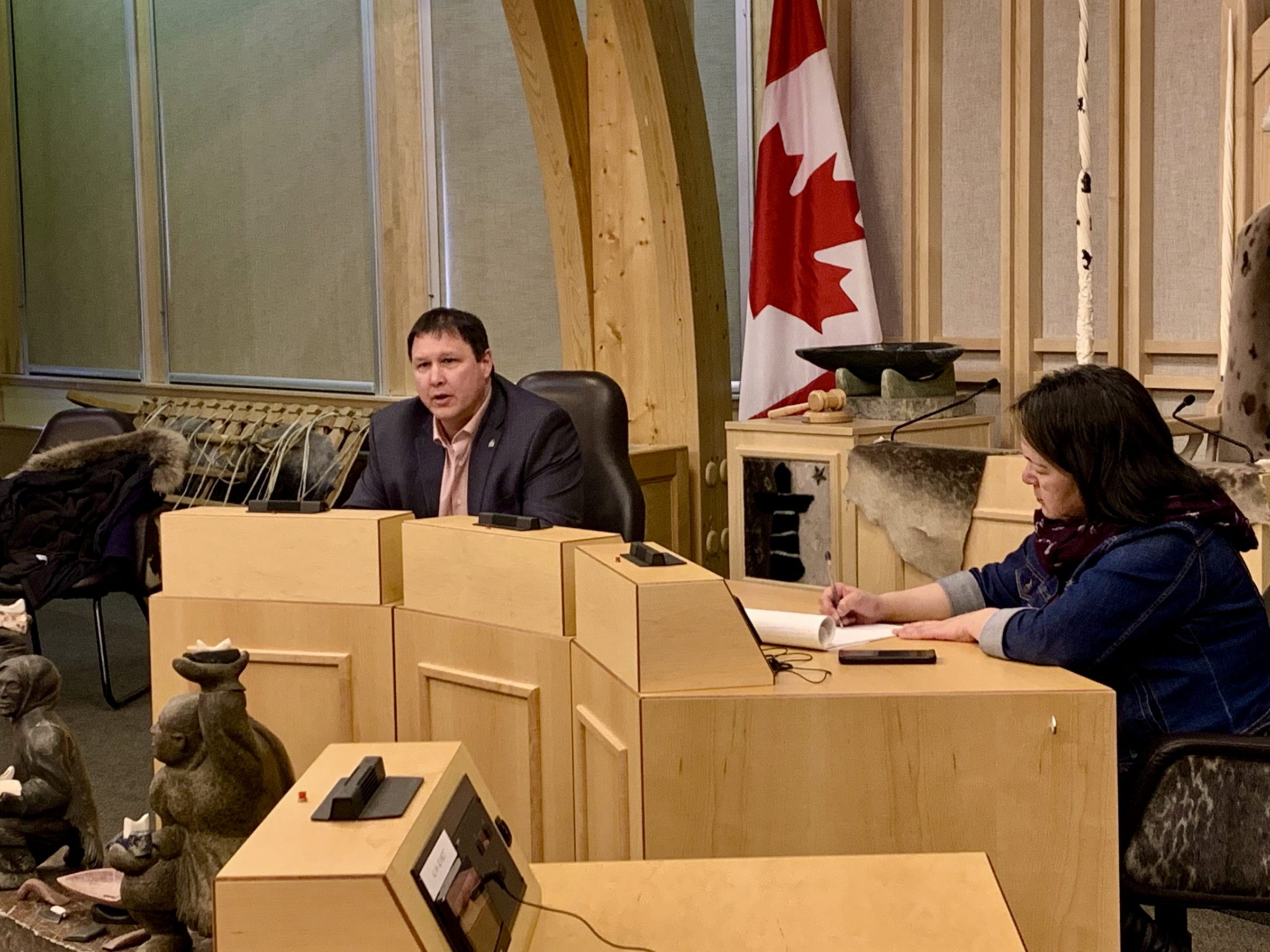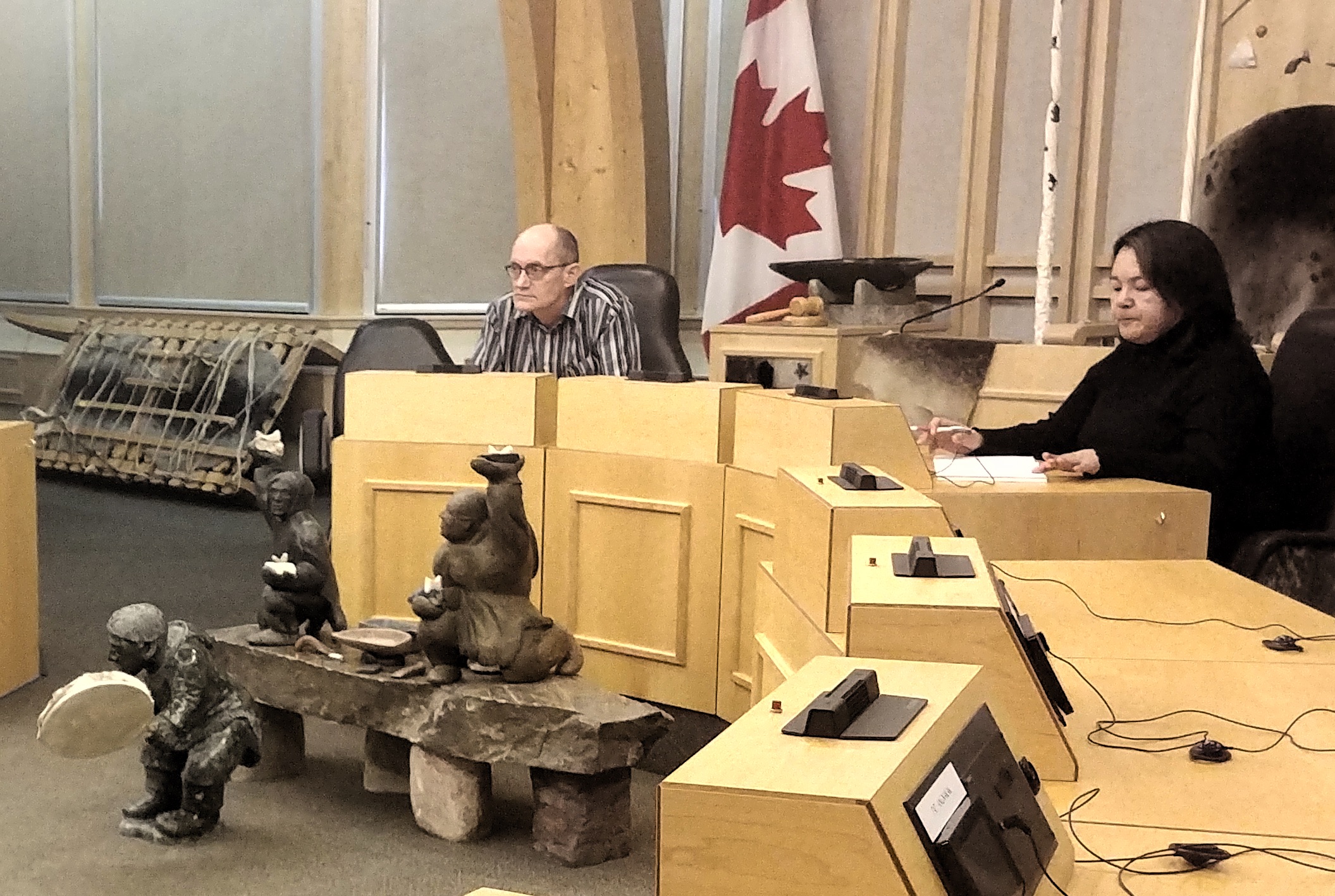
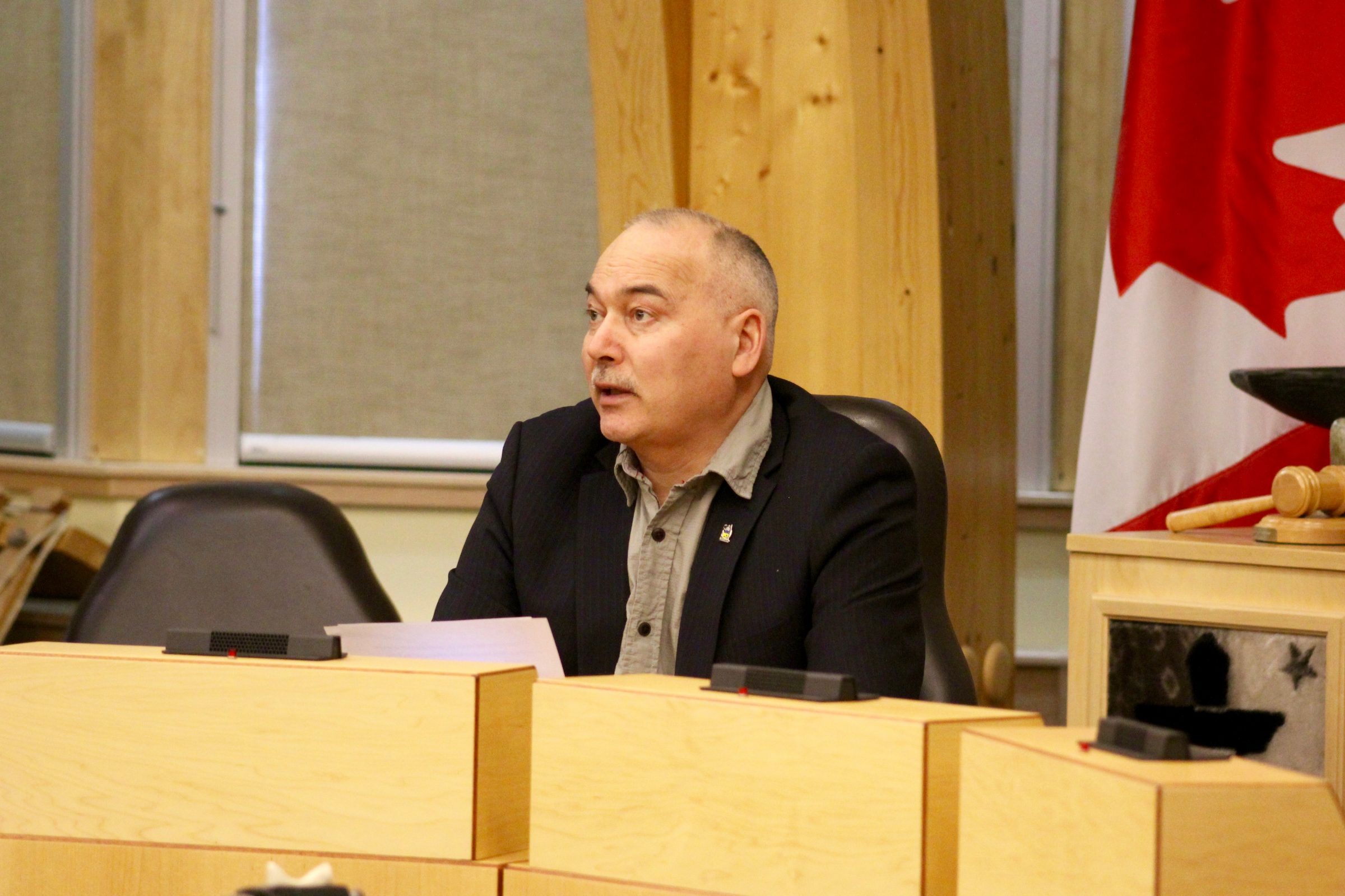
Speaking at a news conference on Monday, April 20, Nunavut Premier Joe Savikataaq announced $2 million for the territory’s hamlets to help cover expenses incurred as a result of the COVID-19 pandemic. The money will go toward things like materials and supplies, additional janitorial and custodial staff, COVID-19-related signage, information and translation, lost revenue from facility closures, increased bylaw and patrol officers and increased residential water delivery and garbage pickup. “This funding will help them ensure that they are able to make sacrifices in other areas.” Municipalities can contact their CGS regional community development office for more information, Savikataaq said. In response to Transport Canada’s recent announcement that all airline passengers are now required to wear masks, Savikataaq also said the Government of Nunavut is working with airlines to ensure all “passengers have access to masks so they can fly safely.” There are still no confirmed cases of COVID-19 in Nunavut. To date, 453 people in the territory have been tested for COVID-19, with 201 negative results and 252 awaiting results. (File photo)
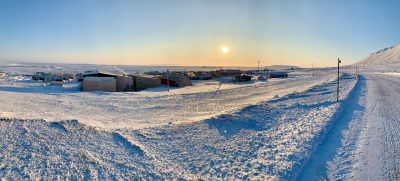
Resolute Bay has four presumptive cases of COVID-19. Until now, it was one of the few communities in Nunavut where the virus had not been detected. (File photo by Emma Tranter)
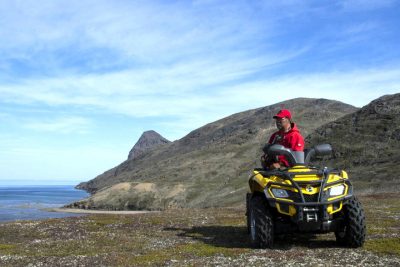
Hezakiah Oshutapik, mayor of Pangnirtung and former member of Nunavut’s legislative assembly, passed away suddenly over the weekend, according to a note of condolence from the assembly’s Speaker, MLA Paul Quassa. Oshutapik, who was 63, made numerous contributions to his community, including his role with the Canadian Rangers. He’s pictured here on York Sound, near the mouth of Frobisher Bay, in 2014, as part of the Canadian Forces annual mock disaster exercise under Operation Nanook. Oshutapik was a master corporal of the 1st Canadian Ranger Patrol Group. “On behalf of all members of the legislative assembly, we extend our condolences to his family and the community,” wrote Quassa. (Photo courtesy of Joint Task Force North)
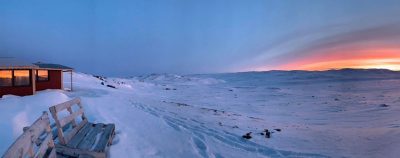
“Social distancing at its finest,” writes Shawn Jeffrey Burke, who took this shot at a friend’s cabin outside of Iqaluit last weekend. (Photo courtesy of Shawn Jeffrey Burke)
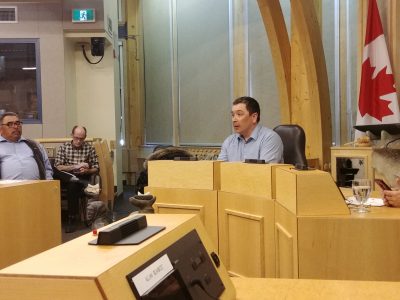
Nunavut classrooms will remain closed for the rest of the school year because of the COVID-19 pandemic, Education Minister David Joanasie announced on Friday, April 17. The cancellation of classes makes it even more important for Nunavut teachers to return to schools by April 21, to create support packages for students, Joanasie said. Teachers will check in weekly with families to provide support by phone, email, text or “other online portals,” he said. Teachers will do end-of-year assessments, including report cards, based on work completed before schools closed on March 17, said Joanasie. Final exams for high school students are cancelled and students’ grades will be based on course work done before schools closed. School work done at home for the rest of the year is for “continuity of learning and literacy,” Joanasie said. (Photo by Meagan Deuling)
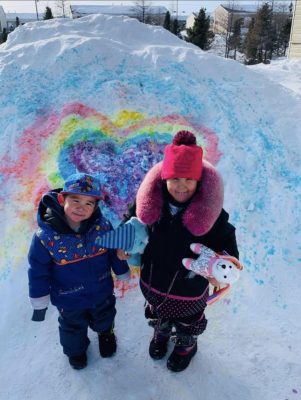
Betsy Mae Gordon and her partner Sandy Kooktook made this rainbow heart together with their children, Lucianna, three, and her little brother, Samuili, two, on April 1, as part of the Northern Village of Kuujjuaq’s recreation department’s “Let’s Rec up this Isolation” initiative, which provides a new challenge or activities to do each day from home during the COVID-19 pandemic. (Photo by Betsy Mae Gordon)
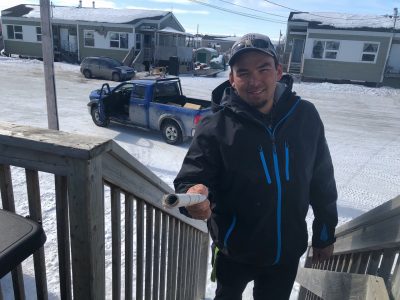
George Kauki with Kuujjuaq’s Pinguatitsijingiit Recreation Committee delivers bingo cards to a household for a free community bingo game broadcast over the radio on Easter Monday. Prizes included a 75-inch TV, a helicopter ride, a generator, a flat-bed trailer, 45 gallons of gas and more. Kauki also arrived bearing gifts, like sleds, for children. (Photo courtesy of Isabelle Dubois)
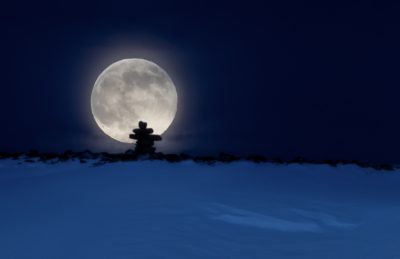
Last week’s full moon was photographed in all its splendour by Clare Kines in Arctic Bay. (Photo by C. Kines)
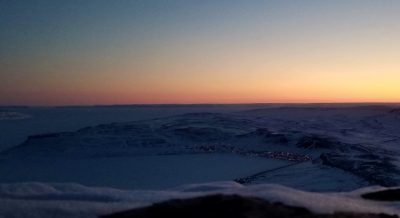
Travis Kines took this photo of Arctic Bay at around 10:30 p.m. on April 6 from the top of King George V Mountain. (Photo by T. Kines)
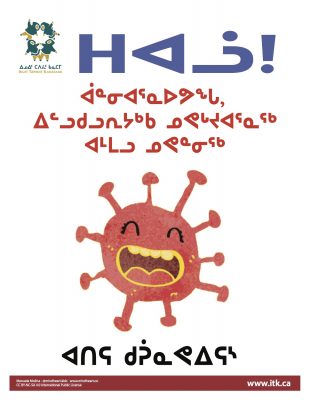
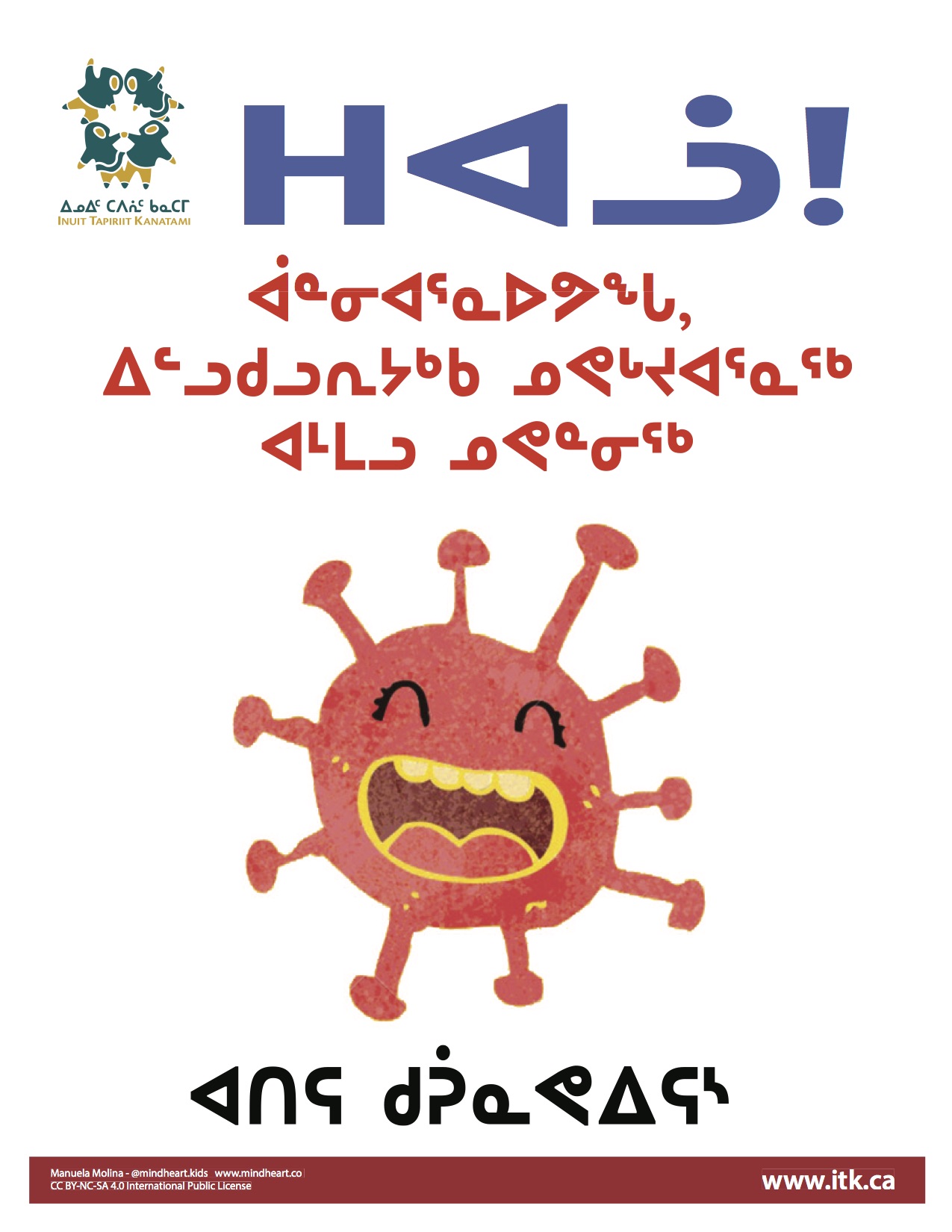
“Hello! I am a virus, cousins with the flu and the common cold. My name is coronavirus,” says the cover of this 12-page publication produced by Inuit Tapiriit Kanatami to help explain COVID-19 to Inuit children. You can find the publication, written in the Inuit language in both syllabics and roman orthography, as well as in English, at ITK’s website.
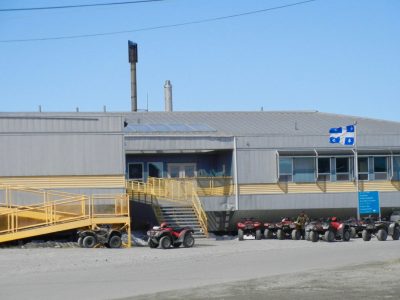
UPDATED: Two new positive cases of COVID-19 in Nunavik have been confirmed in Puvirnituq, says the Nunavik Regional Board of Health and Social Services. There have now been seven confirmed cases in this Quebec region and six in the Hudson Bay community of about 1,900. The health board made two separate announcements about the new cases in Puvirnituq, one on Friday and a second one late Saturday evening. One is a patient at the Inuulitsivik hospital in Puvirnituq, shown here, the health board said on April 10. The other “is in isolation at home and is doing fine. Close family members were already in isolation before the case was confirmed,” the health board said on April 11. Nunavik remains under a lockdown. More to come later on nunatsiaq.com. (File photo)
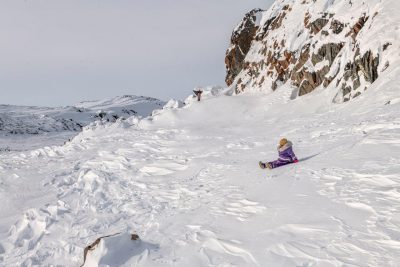
With her mother Krista Zawadski watching from a distance, four-year-old Mitiarjuk Greene slides down a hill eight kilometres west of Rankin Inlet on March 22. We hope our readers stay safe and practise social distancing this Easter weekend. Nunatsiaq News’s operations will be closed on Good Friday. We’ll resume publishing on Monday, April 13. (Photo by Putulik Photography)

George Hickes, Nunavut’s minister of health, says that the first wave of residents set to return to the territory this weekend after self-isolating in southern Canada may find that home seems unfamiliar. “It’s not normal anymore,” he said at a news conference on Thursday, April 9. Hickes said he knows that Nunavummiut will want to visit, but that “cruising around in a car with your friends is not social distancing. Going to visit extended family is not social distancing.” He said the coming weeks are critical “in our path forward as a territory.” By April 13, 286 residents who have been self-isolating in one of four southern hubs are due home. That includes FANS students and medical travel patients. They will arrive on four charter flights and two commercial flights. The Government of Nunavut says that residents who have been in isolation will be rigorously tested before they get approval to return, and they have to follow the isolation agreements they signed until they arrive home. (Photo by Meagan Deuling)

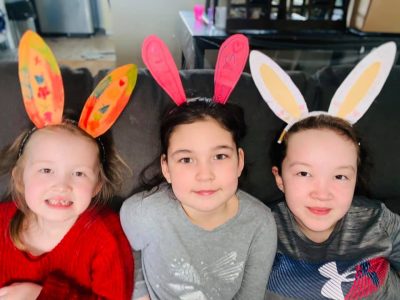
From left: Cambridge Bay’s Alina Mala-McCallum, five, Rayna Mala, seven, and Simone Mala-McCallum,10, take part in their community’s COVID-19 Easter craft competition. (Photo by Monica Mala)
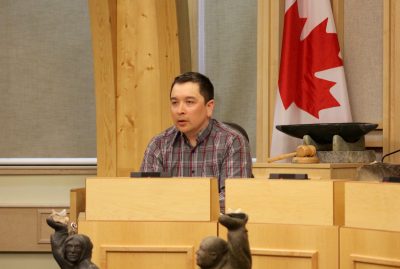
Nunavut’s schools won’t reopen to students without the blessing of the territory’s chief public health officer, Education Minister David Joanasie said at a news conference on Wednesday, April 8. He offered the remarks after the territory’s teachers were asked to return to their home communities by April 21. “I want to reassure Nunavummiut that today and going forward, all of our work ahead is on the advice and recommendation of the chief public health officer,” Joanasie said. Right now, 93 teachers are out of the territory, which represents eight per cent of the teachers in Nunavut, Joanasie said. Any teachers currently out of the territory must undergo a 14-day isolation period in one of four hotels in the south under the Government of Nunavut’s mandatory isolation requirements. Michael Patterson, Nunavut’s chief public health officer, will reassess if schools will reopen to students on April 21. Joanasie also said the Nunavut Teachers’ Association and the Coalition of Nunavut District Education Authorities support the decision to bring teachers back. Story to come. (Photo by Emma Tranter)

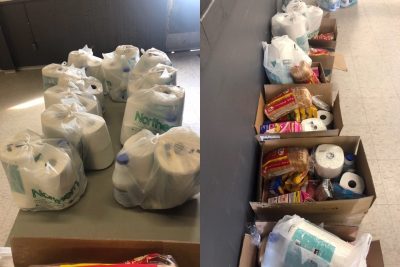
Volunteers and municipal staff in Rankin Inlet helped prepare 30 of these hampers, filled with food and cleaning supplies, to go out to families in the community of about 3,000, with another 30 hampers on their way shortly. The effort was made possible by a $25,000 donation from Agnico Eagle Mines Ltd. to help residents during the COVID-19 pandemic. “Many Rankin Inlet residents have lost incomes while businesses have been shut down or reduced their efforts during this health crisis,” said an April 2 release from the Municipality of Rankin Inlet. (Photo courtesy of the Municipality of Rankin Inlet/Facebook)
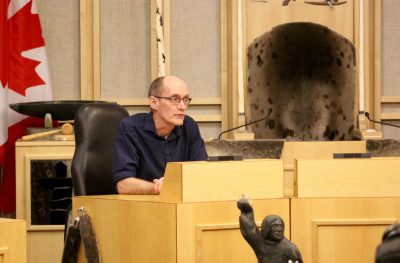
Michael Patterson, Nunavut’s chief medical officer, is urging residents who smoke or vape to quit to reduce the risk of getting COVID-19. “Smoking and vaping are linked with increased risk of catching COVID-19, but also with more severe complications from COVID-19,” Patterson said a news conference on Tuesday, April 7. (Photo by Emma Tranter)
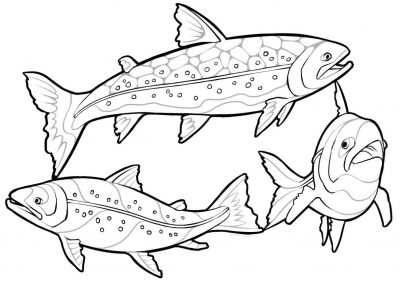
This image of Arctic char by Jonathan Cousins is one of several colouring pages offered online by Inuit Tapiriit Kanatami to help entertain Inuit children at home due to the COVID-19 pandemic. (Image courtesy of ITK)
 offered online
 by Inuit Tapiriit Kanatami to help entertain Inuit children at home due to the COVID-19 pandemic. (Image courtesy of ITK)">
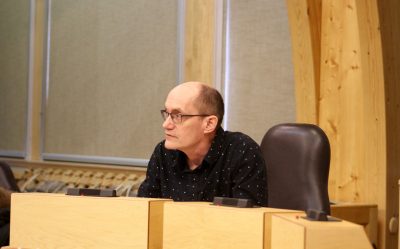
As of today, 356 people in Nunavut have been tested for COVID-19, with 247 under investigation and 109 people cleared. At a news conference earlier today, Michael Patterson, Nunavut’s chief medical officer, addressed an announcement made by Agnico Eagle late Sunday night that it would begin a pilot project to test workers for COVID-19. “At this time, there is no evidence that screening in this fashion is a substitute for 14 days of isolation,” Patterson said. The mine announced that starting today, it would offer testing to workers at its Meliadine mine site outside Rankin Inlet on a voluntary basis. “As a result, I informed management at Agnico Eagle that these tests do not change the current requirement for mine staff to stay out of the town of Rankin Inlet,” Patterson said. He also said the testing equipment used by Agnico Eagle does not meet Canadian standards and the Department of Health continues to pursue equipment that will allow testing to be done in all of Nunavut’s communities. See our story later at Nunatsiaq.com (Photo by Emma Tranter)

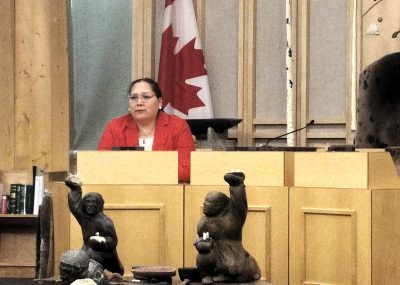
Nunavut Tunngavik Inc. President Aluki Kotierk, seen here, and Nunavut Premier Joe Savikataaq announced on Friday, April 3, over $2 million in funding for community food programs for children and elders in response to the COVID-19 pandemic. The funds will be given directly to hamlets to deliver programming that fits each community’s needs. See our story later at nunatsiaq.com. (Photo by Meagan Deuling)
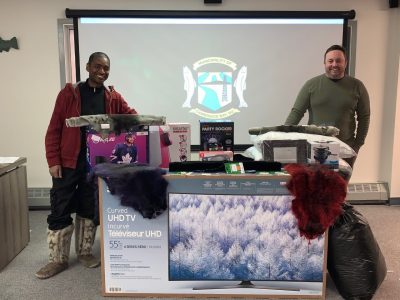
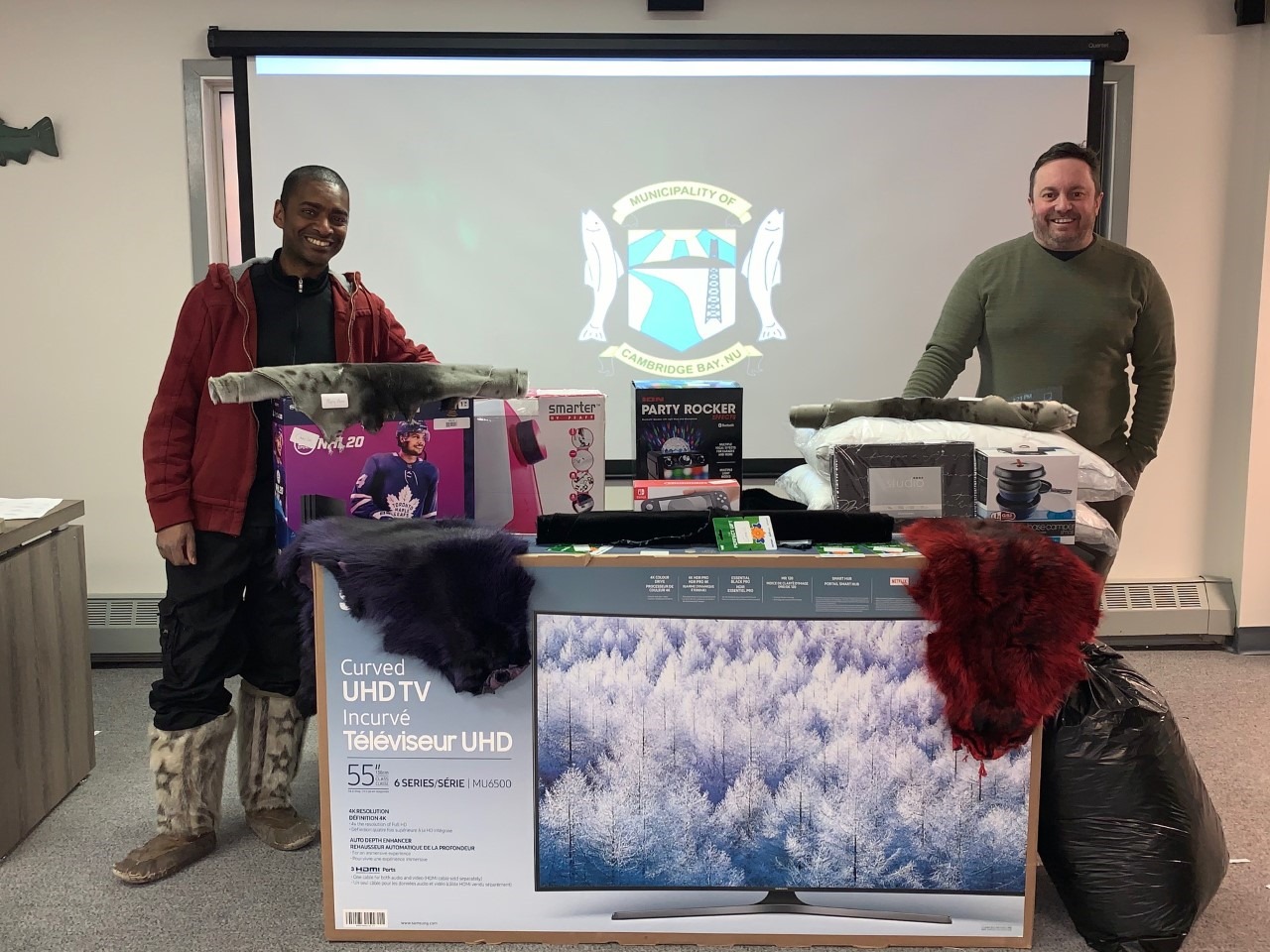
Wayne Gregory and Valter Botelho-Resendes stand next to a table laden with prizes they later handed out to lucky bingo players on Saturday, March 28, in Cambridge Bay. The community-wide bingo, sponsored by the hamlet, was promoted as a stay-at-home, social distancing affair. Another bingo is scheduled for this coming Saturday evening. (Photo courtesy of the Hamlet of Cambridge Bay)
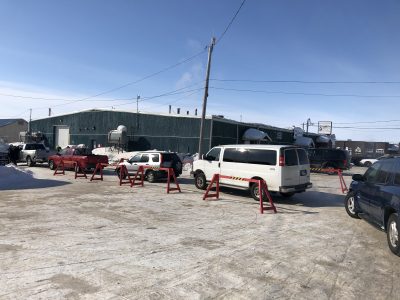
Cars line up at Iqaluit’s new drive-thru pick-up for Canada Post parcels at 1057 Mivvik St. The post office has introduced the new service, when weather permits, to help with physical distancing during the COVID-19 pandemic. Drivers stop their vehicles at the barricades, park and shut off the ignition. A postal clerk then comes to the window and takes their delivery notice cards. “Stay warm in your vehicle,” says a post office announcement. “The postal clerk will collect your parcels from the post office and place them on a table near your vehicle. Take your parcels and load them into your vehicle. Follow the barricades out of the parking lot. Please drive carefully—this is a residential area!” (Submitted photo)
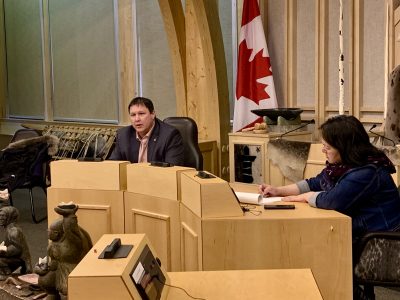
George Hickes, Nunavut’s health minister, has extended the territory’s public health emergency until April 16. Hickes first declared the public health emergency on March 18. There are still no confirmed cases of COVID-19 in Nunavut. Hickes also cautioned Nunavummiut against wearing masks to prevent the spread of COVID-19. “We want to make sure that our health-care workers have all the personal protective equipment that they need to do their jobs and help take care of us. People using masks for day to day … is unnecessary and, in fact, could increase the level of risk,” Hickes said. (Photo by Emma Tranter)
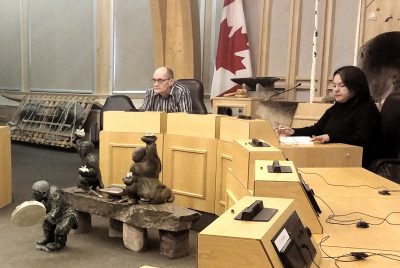
Nunavut’s chief public health officer, Michael Patterson, offered some mental health tips to residents who are isolated because of COVID-19 and live alone on Wednesday, April 1. Regular phone calls can help so you have “voice contact,” he said. Short walks with friends are “tolerable,” as long as you’re six feet apart. This expands the definition of a household, Patterson said, but the time together will protect other aspects of well-being. “We’re not doing anybody any favours if we deal with COVID-19 but cause a lot of other difficulties,” he said.
Nunavut has no confirmed cases of COVID-19. Eighty-five people have been tested and found to be negative, while 205 people are waiting for test results or have symptoms, or both, and must self-isolate for 14 days or until they’re cleared by the Government of Nunavut. (Photo by Meagan Deuling)








 ITK’s website