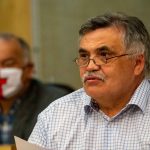
Iqaluit city council extended its state of emergency declaration, which gives the city additional powers to deal with the ongoing COVID-19 outbreak. (File photo)
62 active COVID-19 cases in the city; 63 territory-wide
The City of Iqaluit has extended its state of emergency for another week as the number of active COVID-19 cases in Nunavut’s capital continues to fluctuate.
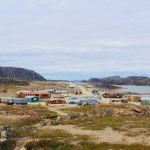
People living in hamlets that were in the path of a 2017 tsunami have known that an even bigger wave could be in their future. New calculations suggest previous estimates of its size were too low.
Malaya Qaunirq Chapman took this photo of the Koksoak River, seen from Nuvuk Bay near Kuujjuaq, on Thursday, May 13. “We saw the end of ice melt from Nuvuk,” she writes. “Summer is coming! (Photo by Malaya Qaunirq Chapman)
Ice floats down the Koksoak River near Kuujjuaq on Wednesday during spring breakup. “In the past 20 years that I lived here, I think it’s the earliest and fasted ice breakup I have seen, as the river never really had the chance to freeze completely due to the mild weather we had this past winter,” writes Isabelle Dubois. “Usually, the earliest it would break was around the Victoria Day long weekend, and the latest I’ve seen it was towards the end of June. This year’s breakup was really smooth, without the thundering sound of ice pile ups, which there wasn’t much of.” (Photo by Isabelle Dubois)